
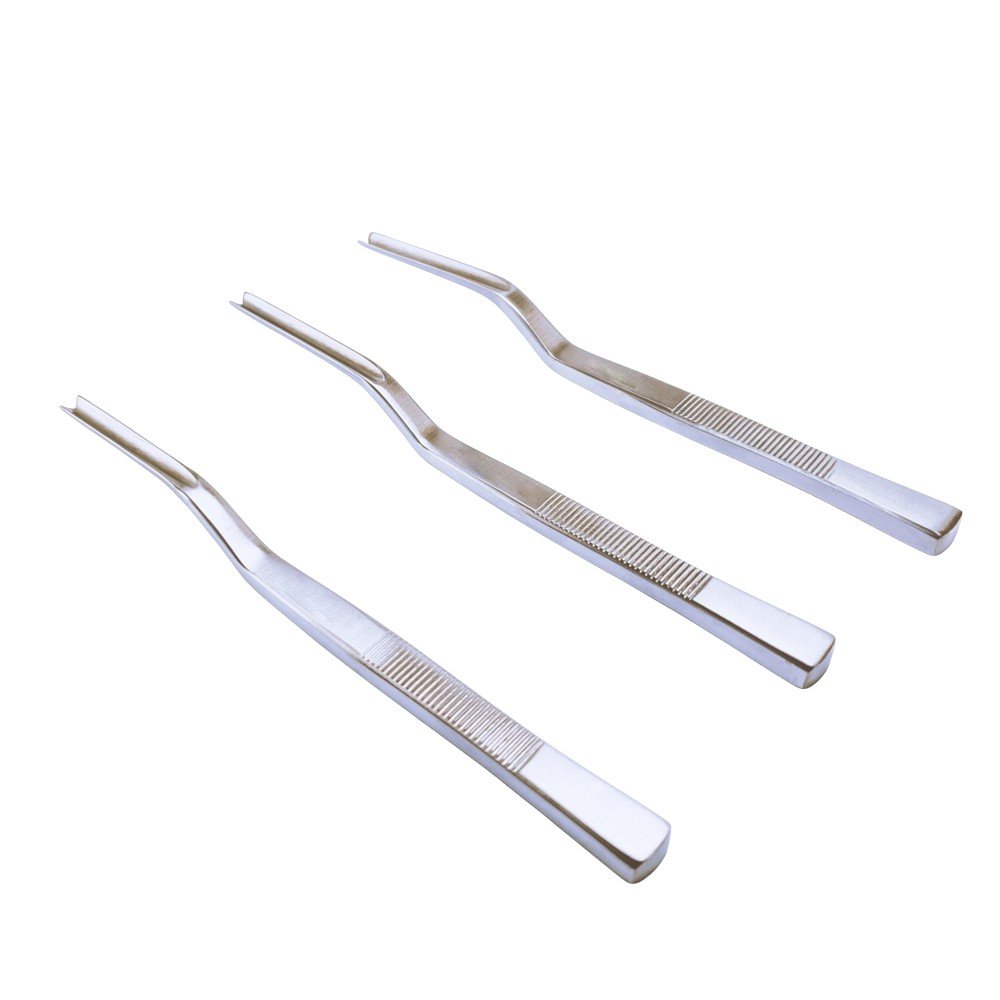
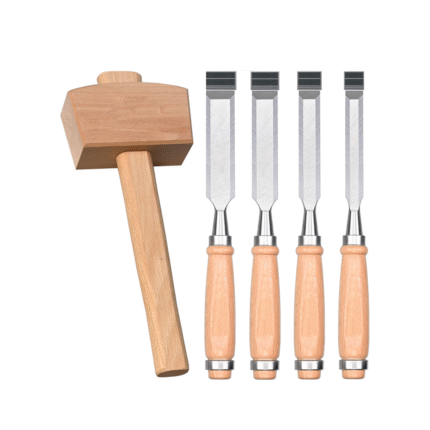
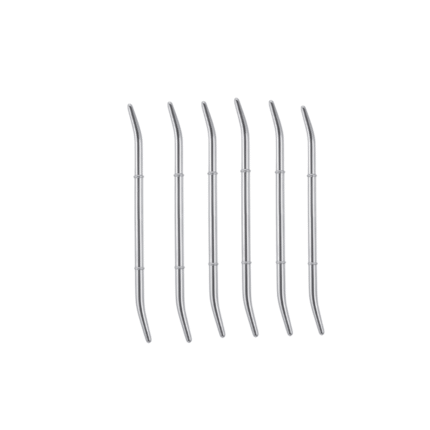
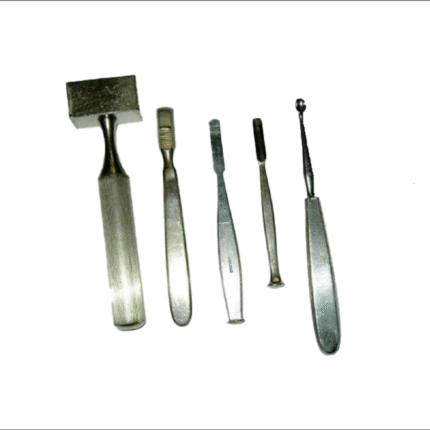
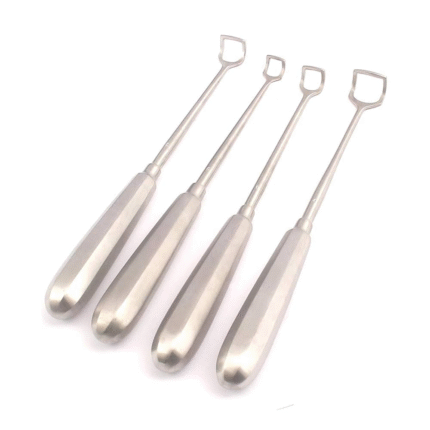
The Nasal Gouge is a specialized surgical instrument used in otolaryngology, rhinoplasty, and selected facial plastic surgery procedures requiring controlled manipulation of nasal bone. A gouge differs from a general-purpose elevator or curette because its working edge is designed to engage and remove a controlled amount of hard tissue or bone according to the instrument’s specific geometry.
Nasal surgery often requires precise modification of the bony and cartilaginous framework. A dedicated nasal gouge can support selected surgical steps where controlled removal or shaping of bone is necessary. The instrument’s compact working end allows the surgeon to work within the relatively restricted anatomy of the nasal region.
The instrument may be used during rhinoplasty, nasal reconstruction, septal procedures, and selected ENT operations where bone preparation is indicated. Exact use depends on the gouge design, blade or cutting-edge profile, and the surgeon’s preferred surgical technique.
The working end of a nasal gouge is typically designed with a strong cutting or scraping edge capable of engaging bone. Depending on the specific model, the gouge may be straight or incorporate a particular profile suited to the intended surgical approach. Exact blade width, shaft length, and edge geometry should be confirmed against the product’s specifications.
Controlled instrument handling is especially important during nasal surgery because the bony framework is closely related to delicate soft tissues and other anatomical structures. The surgeon should apply the instrument only in accordance with the intended surgical technique and avoid excessive force that could cause unintended bone removal or damage to the instrument.
A nasal gouge can be particularly useful when precise bone modification is required as part of nasal contouring or reconstruction. It may assist in selected stages of open or closed rhinoplasty, depending on the procedure. Other compatible instruments, such as rasps, osteotomes, chisels, elevators, or forceps, may be used alongside the gouge to complete the desired surgical correction.
The compact profile of the instrument supports access to the nasal framework without requiring a large operative footprint. An appropriately designed handle can provide a secure grip while allowing the surgeon to control the direction and depth of the working end.
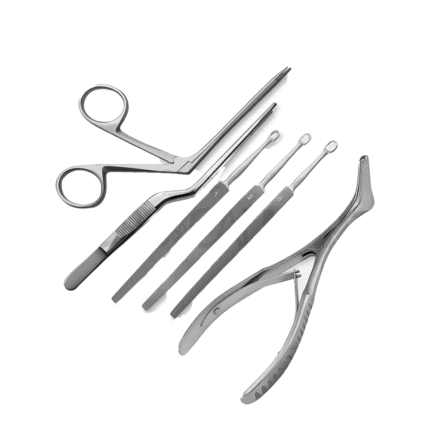
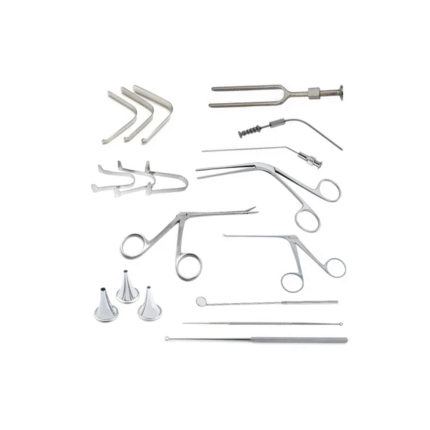
For operating-room organization, the nasal gouge can be included in a broader rhinoplasty or ENT surgical instrument set. It may be stored alongside nasal rasps, osteotomes, elevators, scissors, forceps, and retractors according to the surgical facility’s tray configuration.
Before every procedure, the gouge should be inspected for edge integrity, shaft alignment, surface condition, corrosion, cracks, and other signs of damage. The cutting edge should remain appropriately shaped, and any instrument showing deformation or excessive wear should be removed from service.
For reusable surgical instruments, cleaning, sterilization, and inspection should follow validated manufacturer instructions applicable to the instrument’s specific construction. The working edge should be protected during transport, cleaning, and storage to prevent accidental damage.
The Nasal Gouge ENT Surgical Instrument is suitable for ENT departments, rhinoplasty practices, facial plastic surgery centers, hospitals, and specialty operating rooms requiring a precision instrument for controlled nasal bone preparation and shaping.
Key Features
- Specialized nasal surgical gouge
- Designed for ENT and rhinoplasty procedures
- Supports controlled nasal bone removal and shaping
- Suitable for selected nasal reconstruction procedures
- Strong working end for controlled bone manipulation
- Compact profile for access to the nasal framework
- Useful in facial plastic and otolaryngology surgery
- Can complement nasal rasps, osteotomes, and elevators
- Suitable for professional operating-room environments
- Working edge requires careful inspection before use
- Reusable when specifically designed and labeled for reuse
- Reprocessing should follow validated manufacturer instructions
Product Specifications
| Specification | Details |
|---|---|
| Product Name | Nasal Gouge |
| Product Type | ENT / Rhinoplasty Surgical Instrument |
| Primary Specialty | ENT / Otolaryngology |
| Secondary Specialty | Facial Plastic Surgery |
| Primary Function | Nasal Bone Cutting and Shaping |
| Applications | Rhinoplasty, Nasal Reconstruction, Selected ENT Procedures |
| Working End | Gouge / Cutting Edge |
| Blade Width | Model Dependent |
| Shaft Design | Straight or Configuration Dependent |
| Instrument Length | Model Dependent |
| Material | Surgical Instrument Material, Configuration Dependent |
| Handle | Ergonomic Surgical Handle, Model Dependent |
| Reusable | Depending on Product Configuration |
| Sterilization | Follow Validated Reprocessing Instructions |
| Storage | Surgical Tray or Suitable Instrument Container |
FAQs
What is a nasal gouge used for?
A nasal gouge is used for controlled cutting, removal, or shaping of nasal bone during selected rhinoplasty, reconstructive, and ENT procedures.
Is a nasal gouge used in rhinoplasty?
Yes. Appropriately designed nasal gouges may be used during selected rhinoplasty procedures where controlled modification of the bony nasal framework is required.
What is the difference between a nasal gouge and a nasal rasp?
A gouge is designed to engage and remove or cut bone with its working edge, while a rasp is generally used for controlled smoothing or shaping of bone surfaces.
Can a nasal gouge be used for nasal reconstruction?
Yes. A compatible nasal gouge may support selected reconstructive procedures involving controlled preparation or modification of nasal bone.
Is a nasal gouge an ENT instrument?
Yes. Nasal gouges are specialized instruments used in otolaryngology and related nasal and facial surgical procedures.
What is the working end of a nasal gouge like?
The working end typically incorporates a rigid cutting or scraping edge designed to engage bone. Exact shape and dimensions vary by instrument model.
Can the same nasal gouge be used for every rhinoplasty procedure?
No. Instrument selection depends on the patient’s anatomy, surgical approach, required bone modification, and the specific design of the gouge.
Is a nasal gouge reusable?
It may be reusable when specifically manufactured and labeled for repeated clinical use. Reusable instruments must be properly cleaned, inspected, sterilized, and maintained.
How should a nasal gouge be sterilized?
Cleaning and sterilization should follow validated manufacturer instructions for the exact instrument and material. The working edge should be protected during processing.
What should be inspected before using a nasal gouge?
Check the cutting edge, shaft, handle, alignment, surface condition, corrosion, cracks, and signs of deformation or excessive wear before clinical use.
Reviews
There are no reviews yet.