

Conservative Sharp Wound Debridement is a wound-care technique used to remove nonviable, devitalized, or unwanted tissue from a wound while aiming to preserve healthy viable tissue. It is performed by appropriately trained healthcare professionals using sharp instruments selected according to the wound characteristics, location, and clinical requirements. The technique can help improve wound assessment and support the overall wound-management process when clinically indicated.
Unlike extensive surgical debridement performed in an operating room, conservative sharp debridement generally focuses on the selective removal of clearly identifiable nonviable tissue. Depending on the procedure and wound location, instruments such as forceps, scissors, scalpels, curettes, and other tissue-handling instruments may be used. The appropriate instrument selection depends on the clinician’s assessment and the type and condition of the wound.
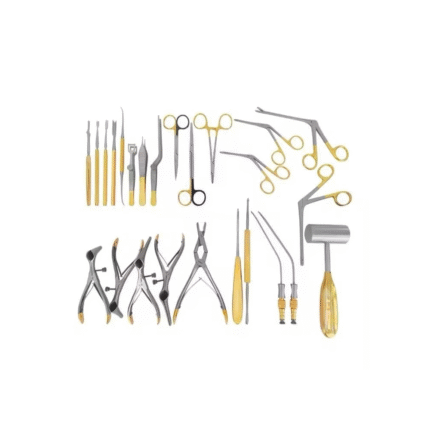
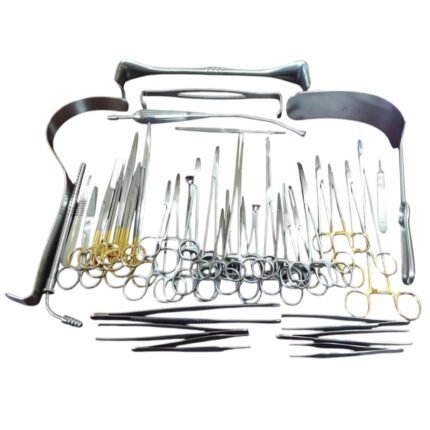
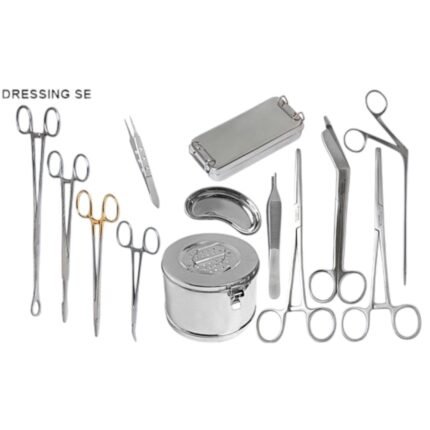
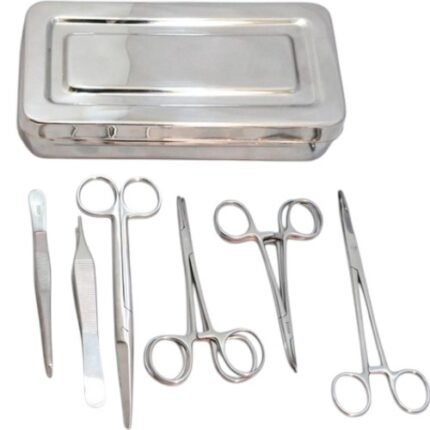
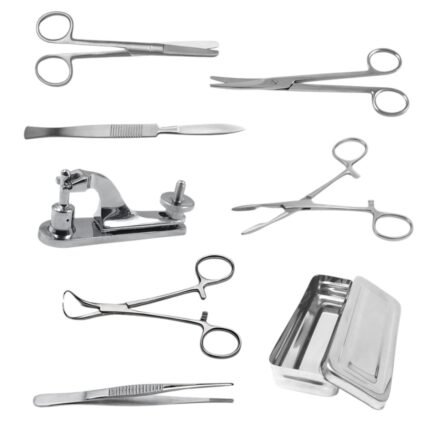
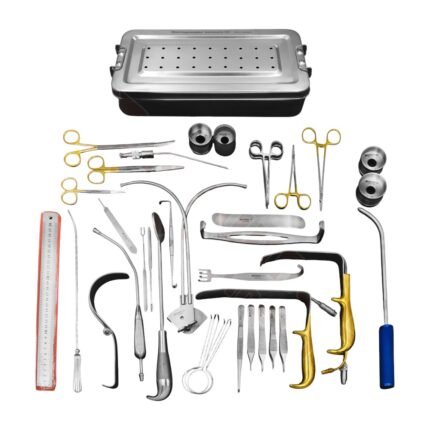
A Conservative Sharp Wound Debridement Set is designed to provide convenient access to commonly required instruments during wound-care procedures. Forceps can assist with grasping and stabilizing devitalized tissue, while sharp scissors or scalpels may be used for controlled cutting. Curettes can be useful for removing loose tissue or material from appropriate wound surfaces. Instrument configuration varies according to the intended clinical application.
Precision and controlled handling are important considerations when performing conservative sharp debridement. Instruments should provide adequate grip and predictable movement so the clinician can work selectively around the wound. Properly designed handles, aligned jaws, sharp working edges, and smooth operating mechanisms can contribute to effective instrument handling.
Reusable debridement instruments are commonly manufactured from surgical stainless steel. This material provides mechanical strength and corrosion resistance when instruments are properly cleaned, dried, inspected, and maintained. Stainless steel construction also allows compatible reusable instruments to undergo validated cleaning and sterilization processes in accordance with manufacturer instructions and healthcare-facility protocols.
Following a debridement procedure, reusable instruments should be processed promptly. Visible tissue and biological material should be removed through appropriate cleaning procedures before sterilization. Hinged instruments should be checked for smooth operation, while cutting instruments should be inspected for appropriate edge condition. Instruments with damaged tips, impaired cutting performance, corrosion, or mechanical defects should be removed from service and evaluated according to institutional procedures.
Conservative sharp debridement should only be performed by healthcare professionals with appropriate training and within their scope of practice. Patient assessment is essential before selecting a debridement technique. Factors such as wound depth, tissue viability, bleeding risk, infection status, vascular supply, pain, and the patient’s overall clinical condition can influence treatment decisions.
For professional wound-care environments, Conservative Sharp Wound Debridement instruments provide a practical solution for selective tissue removal and wound-bed preparation when clinically appropriate. A dedicated set can also simplify procedure preparation and instrument inventory management in wound-care clinics, hospitals, outpatient facilities, and other qualified healthcare settings.
Key Features
- Designed for Conservative Sharp Wound Debridement
- Supports selective removal of nonviable or devitalized tissue
- Suitable for professional wound-care procedures
- Instrument selection can include forceps, scissors, scalpels, or curettes
- Precision working ends for controlled tissue manipulation
- Surgical stainless steel construction on applicable reusable instruments
- Designed for secure handling during clinical procedures
- Suitable for wound assessment and tissue-management workflows
- Reusable instruments can undergo appropriate validated reprocessing
- Corrosion resistance with proper cleaning, drying, and maintenance
- Suitable for hospitals, wound-care clinics, and outpatient facilities
- Intended for use by appropriately trained healthcare professionals
Product Specifications
| Specification | Details |
|---|---|
| Product Name | Conservative Sharp Wound Debridement |
| Instrument Type | Wound Debridement Instruments |
| Primary Application | Selective Wound Debridement |
| Clinical Specialty | Wound Care / General Surgery |
| Main Function | Removal of Nonviable Tissue |
| Instrument Material | Surgical Stainless Steel, where applicable |
| Product Type | Reusable Surgical Instruments |
| Working Method | Sharp Tissue Removal |
| Intended Users | Qualified Healthcare Professionals |
| Sterilization | Follow validated manufacturer and facility protocols |
| Use Environment | Hospitals, Clinics & Wound-Care Centers |
| Configuration | Instrument selection varies by set |
FAQs
1. What is Conservative Sharp Wound Debridement?
Conservative Sharp Wound Debridement is a selective wound-care technique in which trained healthcare professionals use sharp instruments to remove nonviable or devitalized tissue while attempting to preserve viable tissue.
2. What instruments are used for conservative sharp debridement?
Depending on the wound and procedure, clinicians may use forceps, sharp scissors, scalpels, curettes, and other specialized wound-debridement instruments.
3. What is the purpose of sharp wound debridement?
The purpose is to selectively remove unwanted nonviable tissue and facilitate assessment and management of the wound when debridement is clinically appropriate.
4. Is conservative sharp debridement the same as surgical debridement?
No. Conservative sharp debridement generally refers to selective removal of nonviable tissue using sharp instruments, whereas surgical debridement may involve more extensive tissue removal and is typically performed in an operating-room or surgical setting when indicated.
5. What material are reusable debridement instruments made from?
Reusable instruments are commonly manufactured from surgical stainless steel because it provides strength, durability, and corrosion resistance when appropriately maintained.
6. Can conservative sharp debridement instruments be sterilized?
Reusable instruments should be cleaned, inspected, and sterilized using validated procedures appropriate for the instrument and in accordance with manufacturer instructions and healthcare-facility protocols.
7. Who should perform conservative sharp wound debridement?
The procedure should be performed by appropriately trained and authorized healthcare professionals who can assess the wound and determine whether the technique is clinically suitable.



Reviews
There are no reviews yet.