


Forceps and Hemostats – Rigor Instruments used throughout surgical practice for grasping tissue, handling materials, controlling bleeding, and maintaining a clear operative field. Designed for controlled manipulation and dependable performance, this instrument category is suitable for operating rooms, surgical clinics, hospitals, and other professional healthcare environments.
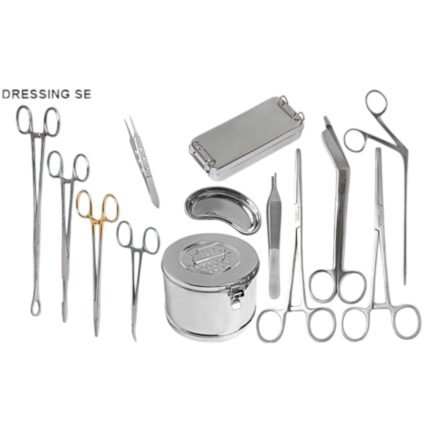
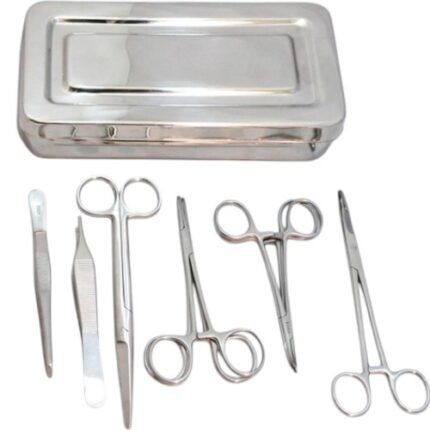
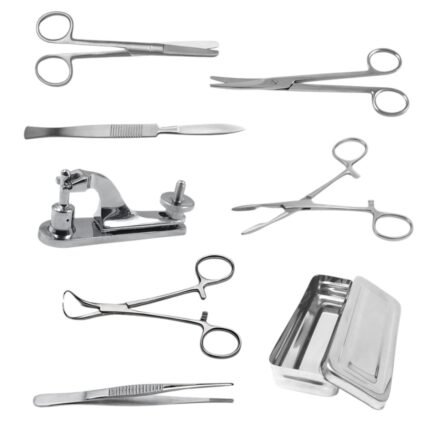
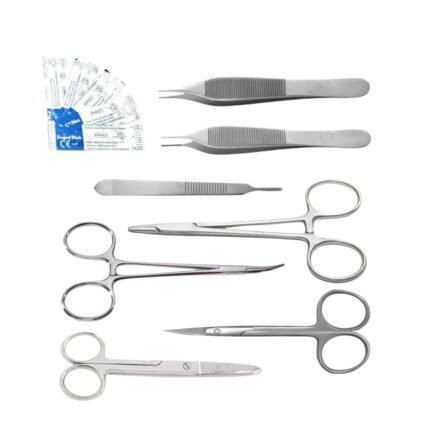
Surgical forceps are commonly used to grasp, hold, dissect, retract, or manipulate tissue and other surgical materials. Depending on their pattern and jaw configuration, forceps may be designed for delicate tissue handling or firmer grasping. Anatomical and tissue forceps are frequently used where controlled handling is required, while toothed patterns can provide additional grip when appropriate for the intended application. Different lengths, jaw shapes, tips, and handle configurations allow clinicians to select an instrument suited to the specific surgical field.
Hemostats are primarily associated with temporary clamping and control of blood vessels or tissue structures during surgery. Common patterns include straight and curved hemostats, with variations in jaw length, serration, tip profile, and locking mechanism. The ratcheted handle allows the instrument to maintain a controlled clamping position when required, helping support efficient surgical workflow. Selection should always correspond to the procedure, anatomy, and intended clinical application.
Forceps and hemostatic instruments are manufactured in a variety of configurations to support general surgery as well as specialty procedures. They can be found in general surgical sets and are also commonly incorporated into gynecological, orthopedic, vascular, thoracic, ENT, dental, veterinary, and minor surgery instrument collections. The appropriate pattern depends on the tissue characteristics, access requirements, and degree of control needed.
For professional surgical use, instrument construction is particularly important. These instruments are commonly manufactured from surgical stainless steel or comparable medical-grade materials, depending on the specific model and configuration. Properly finished surfaces help facilitate cleaning and inspection, while accurately aligned jaws support controlled grasping or clamping. Hinges, serrations, tips, and ratchets should be inspected regularly to ensure that the instrument remains suitable for its intended use.
Reusable forceps and hemostats require appropriate cleaning, decontamination, inspection, packaging, and sterilization according to the manufacturer’s instructions and the healthcare facility’s validated protocols. Hinged and ratcheted instruments should receive particular attention during cleaning so that tissue debris does not remain around the working mechanism. Instruments should also be checked for jaw alignment, surface damage, corrosion, loose joints, and proper locking or release action before clinical use.
Whether used individually or as part of a surgical instrument set, Forceps and Hemostats provide essential support for controlled tissue handling and hemostatic management. Their broad range of configurations makes them valuable components of professional surgical instrumentation, allowing healthcare professionals to select the appropriate pattern for each operative requirement.
Key Features
- Designed for professional surgical tissue handling and control
- Suitable for grasping, holding, manipulating, and clamping
- Hemostats support temporary vessel and tissue clamping
- Available in straight and curved configurations depending on model
- Various jaw and tip patterns for different surgical applications
- Ratcheted locking mechanism available on hemostatic patterns
- Precision-aligned working jaws for controlled manipulation
- Commonly manufactured from surgical stainless steel
- Suitable for general and specialty surgical instrument sets
- Reusable designs available depending on product configuration
- Compatible with established cleaning and sterilization protocols
- Suitable for hospitals, clinics, operating rooms, and professional practices
Product Specifications
| Specification | Details |
|---|---|
| Product Category | Surgical Forceps and Hemostats |
| Instrument Type | Grasping, Tissue Handling & Hemostatic Instruments |
| Primary Functions | Grasping, Manipulation, Clamping, Hemostasis |
| Jaw Pattern | Varies by instrument |
| Tip Configuration | Varies by model |
| Handle Type | Varies by instrument |
| Locking Mechanism | Ratchet on applicable hemostats |
| Material | Surgical stainless steel, depending on configuration |
| Finish | Typically polished or satin finish |
| Reusable | Depending on model |
| Sterilization | Follow manufacturer and facility protocols |
| Intended Users | Qualified healthcare professionals |
| Applications | General and Specialty Surgery |
FAQs
1. What are forceps used for in surgery?
Forceps are used to grasp, hold, manipulate, dissect, or handle tissues and surgical materials. The appropriate forceps pattern depends on the intended clinical application.
2. What are hemostats used for?
Hemostats are designed primarily for temporary clamping and control of blood vessels or tissue structures during surgical procedures.
3. What is the difference between forceps and hemostats?
Forceps are a broad category of grasping and tissue-handling instruments, while hemostats are specifically designed with clamping mechanisms for temporary control of vessels or tissue.
4. Are surgical forceps and hemostats reusable?
Many surgical forceps and hemostats are reusable, provided their specific design and manufacturer instructions permit reuse. They must be properly cleaned, inspected, and sterilized according to validated protocols.
5. What material are surgical forceps and hemostats made from?
Many reusable surgical instruments are manufactured from surgical stainless steel because of its durability, corrosion resistance, and suitability for repeated processing. Exact material depends on the individual instrument.
6. Are forceps and hemostats used in specialty surgery?
Yes. Different patterns can be used in general surgery and specialty fields such as vascular, orthopedic, gynecological, thoracic, ENT, dental, ophthalmic, and veterinary surgery.
7. How should forceps and hemostats be maintained?
Instruments should be cleaned and decontaminated promptly after use, inspected for damage and proper function, and sterilized according to the manufacturer’s instructions and the healthcare facility’s validated procedures.




Reviews
There are no reviews yet.