
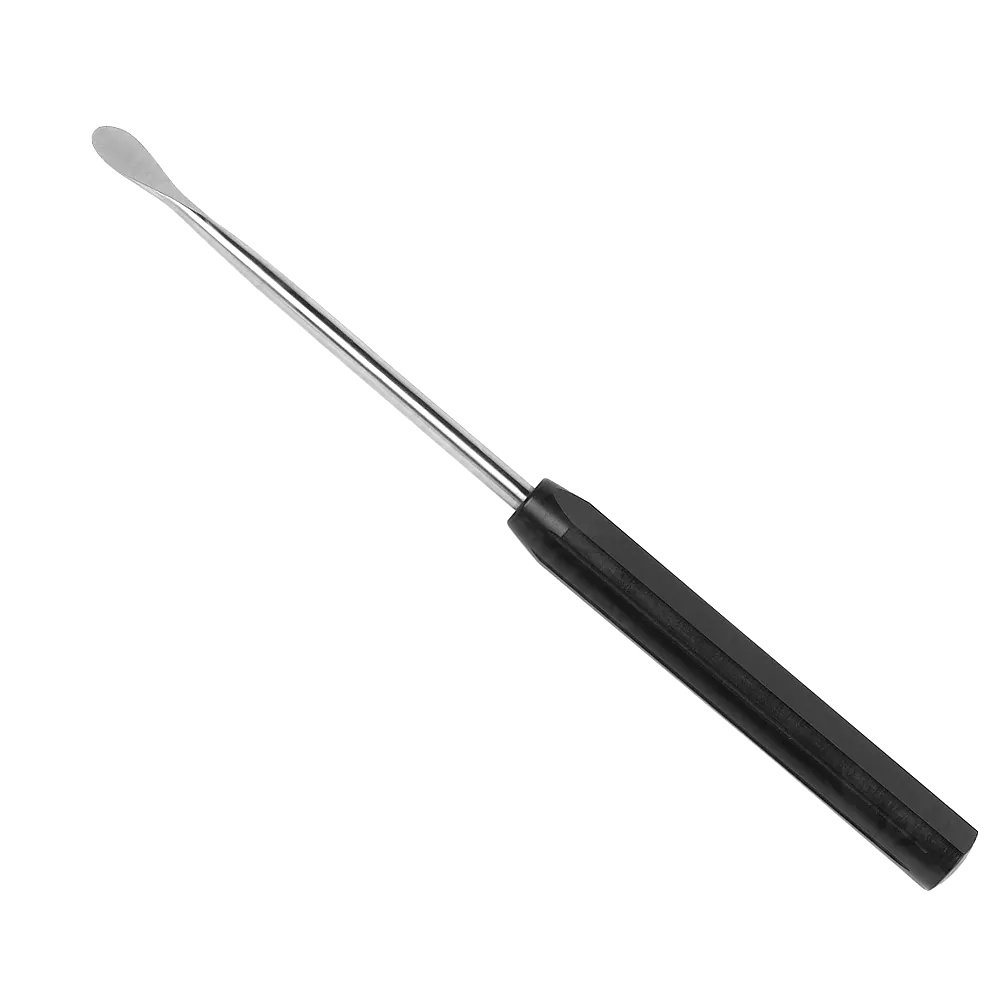

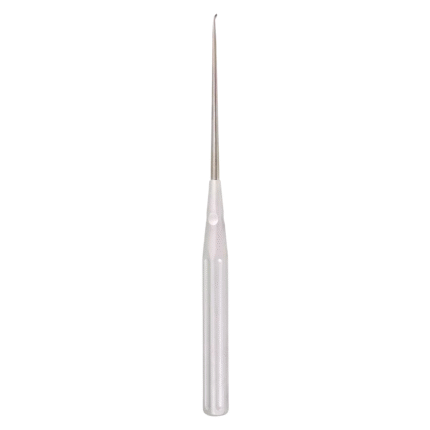
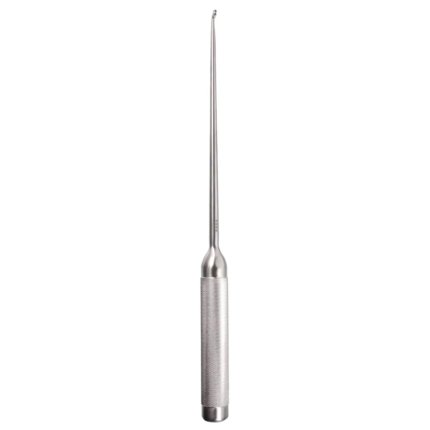
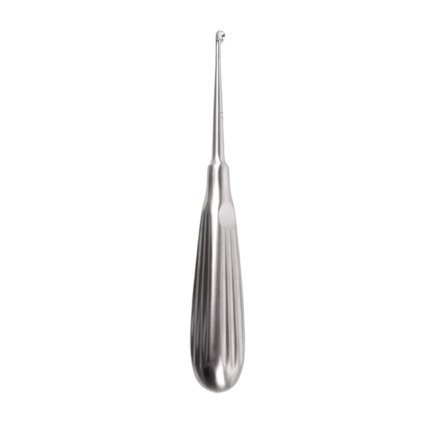
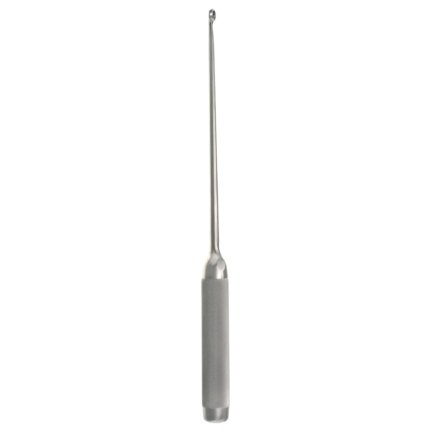
Anterior Cobb Elevators Stainless Steel Orthopedic Spine Elevator are precision-engineered instruments specifically designed to assist orthopedic and spine surgeons in performing controlled periosteal elevation, soft tissue dissection, and bone exposure during anterior spinal procedures. These elevators are essential surgical tools that facilitate safe access to vertebral structures while minimizing trauma to surrounding tissues.
Designed for use in cervical, thoracic, and lumbar spine surgeries, the Anterior Cobb Elevator features a carefully contoured blade that allows surgeons to gently elevate the periosteum and separate soft tissue attachments from bone surfaces. This precise tissue elevation improves visualization of the operative field and creates the necessary surgical exposure for complex orthopedic procedures.
These orthopedic spine elevators are widely used during Anterior Cervical Discectomy and Fusion (ACDF), spinal fusion, corpectomy, vertebral reconstruction, scoliosis correction, trauma surgery, and other spinal interventions. Their precision design enables surgeons to work confidently around delicate anatomical structures while maintaining excellent tactile feedback throughout the procedure.
Manufactured from premium surgical-grade stainless steel, the Anterior Cobb Elevator offers superior mechanical strength, excellent corrosion resistance, and long-lasting durability. The high-quality stainless steel construction ensures the instrument maintains its structural integrity and precision after repeated sterilization and continuous clinical use. It is designed to meet the rigorous standards required in modern operating rooms.
The ergonomic handle provides a secure, non-slip grip that enhances surgeon comfort and instrument control during lengthy procedures. Its balanced construction reduces hand fatigue while improving maneuverability and precision. The carefully engineered design allows smooth, controlled movements during periosteal stripping and tissue elevation, contributing to efficient surgical workflow.
The precision-shaped elevator blade is designed to glide smoothly along bone surfaces while effectively separating periosteal tissue with minimal disruption. This helps preserve healthy tissue, improves operative visibility, and supports accurate surgical technique. Available in multiple blade widths and lengths, Anterior Cobb Elevators can accommodate a variety of patient anatomies and surgical preferences.
Anterior Cobb Elevators are indispensable components of orthopedic spine instrument sets, trauma surgery trays, and reconstructive surgical systems. Their versatility makes them suitable for hospitals, spine surgery centers, orthopedic clinics, and neurosurgical facilities performing advanced spinal procedures.
The satin-finished stainless steel surface allows easy cleaning and simplifies maintenance while supporting strict infection control protocols. These instruments are fully compatible with standard hospital sterilization methods, including steam autoclave sterilization. Proper cleaning, inspection, and storage help maintain instrument performance and extend service life.
Combining precision engineering, ergonomic comfort, and premium stainless steel construction, Anterior Cobb Elevators – Stainless Steel Orthopedic Spine Surgical Elevators deliver dependable performance in demanding orthopedic procedures. They provide surgeons with the accuracy, strength, and reliability necessary for successful spinal surgery and optimal patient outcomes.
Key Features
- Precision Anterior Cobb Elevator for orthopedic spine surgery
- Designed for periosteal elevation and soft tissue dissection
- Ideal for cervical, thoracic, and lumbar spinal procedures
- Precision blade for controlled bone exposure
- Manufactured from premium surgical-grade stainless steel
- Superior corrosion resistance and exceptional durability
- Ergonomic handle ensures secure grip and enhanced control
- Balanced construction minimizes hand fatigue
- Excellent tactile feedback for delicate surgical procedures
- Suitable for ACDF, spinal fusion, corpectomy, and trauma surgery
- Compatible with standard steam autoclave sterilization
- Reusable professional orthopedic spine surgical instrument
Product Specifications
| Specification | Details |
|---|---|
| Product Name | Anterior Cobb Elevators – Stainless Steel Orthopedic Spine Surgical Elevator |
| Instrument Type | Orthopedic Bone Elevator |
| Category | Orthopedic Spine Surgical Instruments |
| Application | Periosteal Elevation, Tissue Dissection, and Bone Exposure |
| Surgical Use | Spine, Orthopedic, and Trauma Surgery |
| Working End | Precision Cobb Elevator Blade |
| Material | Premium Surgical-Grade Stainless Steel |
| Construction | One-Piece Forged Stainless Steel |
| Finish | Satin Surgical Finish |
| Sterilization | Autoclave Compatible |
| Reusable | Yes |
| Quality Standard | Professional Medical-Grade Surgical Instrument |
FAQs
1. What is an Anterior Cobb Elevator used for?
Anterior Cobb Elevators are used to elevate the periosteum, separate soft tissues, and expose bone during orthopedic and spinal surgical procedures.
2. Which spine procedures commonly require an Anterior Cobb Elevator?
They are commonly used during ACDF, spinal fusion, corpectomy, vertebral reconstruction, scoliosis correction, and other anterior spine surgeries.
3. Why is surgical-grade stainless steel used for this instrument?
Surgical-grade stainless steel provides superior strength, corrosion resistance, durability, and maintains precision through repeated sterilization cycles.
4. What are the advantages of the Cobb elevator blade design?
The contoured blade allows smooth periosteal elevation, controlled tissue separation, improved surgical exposure, and reduced trauma to surrounding structures.
5. Can this orthopedic spine elevator be autoclave sterilized?
Yes. It is fully compatible with standard steam autoclave sterilization and other approved hospital sterilization methods.
6. Is the Anterior Cobb Elevator reusable?
Yes. It is a reusable professional orthopedic spine surgical instrument intended for repeated clinical use with proper cleaning, sterilization, routine inspection, and maintenance.
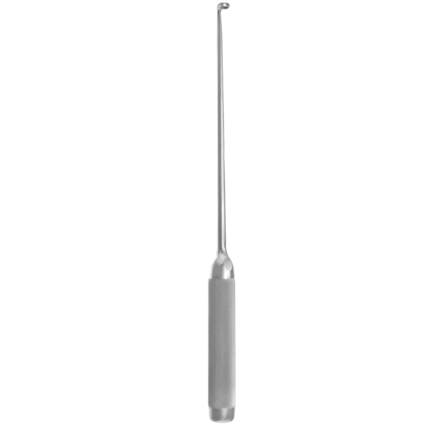
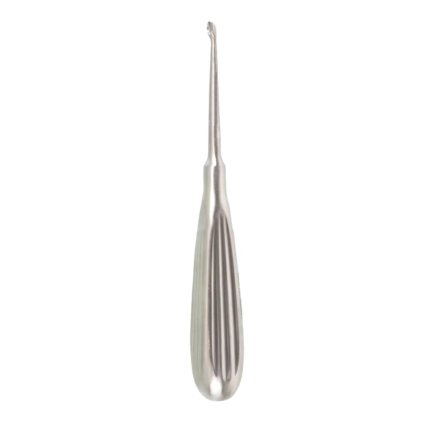



Reviews
There are no reviews yet.