
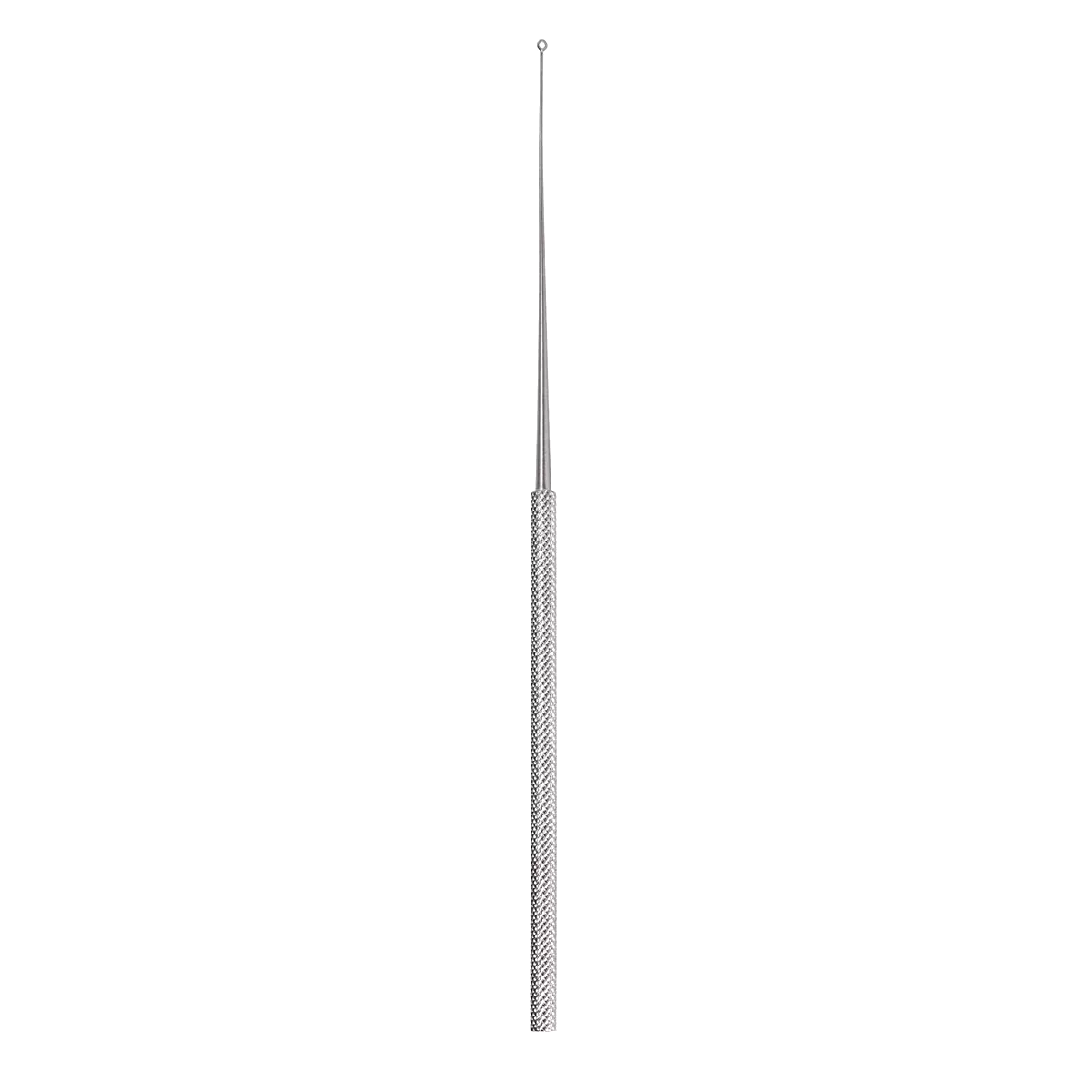

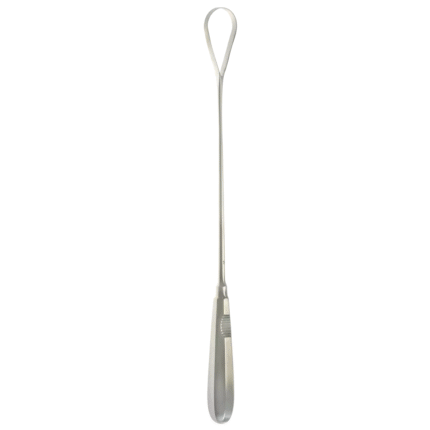
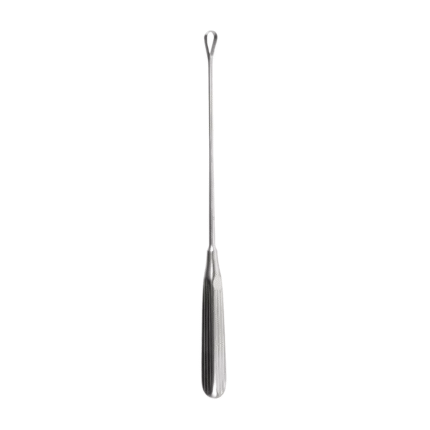
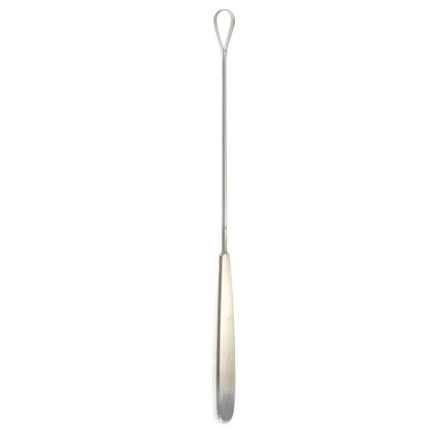
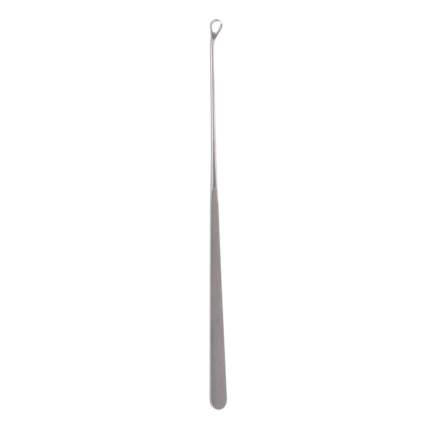
The Neurosurgery Surgical Buck Ear Curette – 1.0 mm Dull Angled is a high-quality microsurgical instrument designed for controlled tissue manipulation, gentle curettage, and precise removal of soft tissue during delicate neurosurgical procedures. Featuring a 1.0 mm dull angled curette tip, this instrument allows surgeons to work safely in confined anatomical areas while minimizing the risk of unnecessary tissue trauma.
Manufactured from premium surgical-grade stainless steel, the Buck Ear Curette provides exceptional durability, corrosion resistance, and long-lasting clinical performance. The carefully designed 1.0 mm blunt curette tip allows controlled tissue handling, smooth dissection, and gentle debridement while maintaining excellent tactile sensitivity.
The angled working end improves access to difficult-to-reach surgical areas where straight instruments may have limited maneuverability. This design enhances visibility and allows surgeons to approach delicate structures from optimal angles during microscope-assisted and minimally invasive procedures.
Its ergonomically balanced handle ensures a secure and comfortable grip, providing superior control and reducing hand fatigue during extended surgical operations. The lightweight yet rigid construction delivers excellent stability and precision, allowing surgeons to perform delicate tissue management with confidence.
The 1.0 mm dull angled tip is particularly useful for procedures requiring gentle tissue manipulation rather than sharp cutting action. It is commonly used in cranial neurosurgery, spinal surgery, skull base procedures, microsurgical dissection, tissue debridement, and delicate anatomical structure management.
Designed for repeated professional use, the instrument is fully reusable and compatible with standard autoclave sterilization protocols. Its premium-quality construction ensures reliable performance through repeated sterilization cycles, making it an essential addition to modern neurosurgical and microsurgical instrument sets.
The Neurosurgery Surgical Buck Ear Curette – 1.0 mm Dull Angled combines precision engineering, ergonomic comfort, and dependable durability, delivering excellent performance for advanced microsurgical tissue handling and controlled curettage procedures.
Key Features
- Precision 1.0 mm dull angled curette tip
- Blunt working end for gentle tissue manipulation
- Angled design for improved access to confined surgical areas
- Premium surgical-grade stainless steel construction
- Excellent tactile feedback for microsurgical control
- Ergonomic, balanced handle for comfortable handling
- Ideal for cranial, spinal, and skull base procedures
- Suitable for delicate tissue management applications
- Corrosion-resistant satin / matte finish
- Fully reusable and autoclavable
Product Specifications
| Specification | Details |
|---|---|
| Product Name | Neurosurgery Surgical Buck Ear Curette |
| Pattern | Buck Ear Curette |
| Tip Style | Dull Angled |
| Tip Size | 1.0 mm |
| Material | Surgical Stainless Steel |
| Finish | Satin / Matte Finish |
| Sterilization | Autoclavable |
| Reusable | Yes |
| Specialty | Neurosurgery |
| Application | Tissue Manipulation and Curettage |
Applications
This instrument is commonly used for:
- Cranial neurosurgery
- Spinal microsurgery
- Skull base surgery
- Gentle tissue curettage
- Microsurgical tissue manipulation
- Soft tissue debridement
- Delicate anatomical structure handling
- Granulation tissue management
- Precision surgical dissection
- Minimally invasive procedures
Frequently Asked Questions (FAQs)
What is the Buck Ear Curette – 1.0 mm Dull Angled used for?
It is designed for gentle tissue manipulation, controlled curettage, and microsurgical debridement where a blunt working tip is preferred.
What is the advantage of a dull angled tip?
The dull angled tip provides safer tissue handling with reduced risk of accidental injury while improving access to difficult surgical areas.
Is this instrument reusable?
Yes. It is manufactured from premium surgical-grade stainless steel and is designed for repeated professional use after proper cleaning and sterilization.
Can it be sterilized in an autoclave?
Yes. The instrument is fully autoclavable and compatible with standard hospital sterilization procedures.
Which specialties commonly use this curette?
It is commonly used by neurosurgeons and microsurgeons for cranial procedures, spinal surgery, skull base operations, and delicate tissue management.


Reviews
There are no reviews yet.