
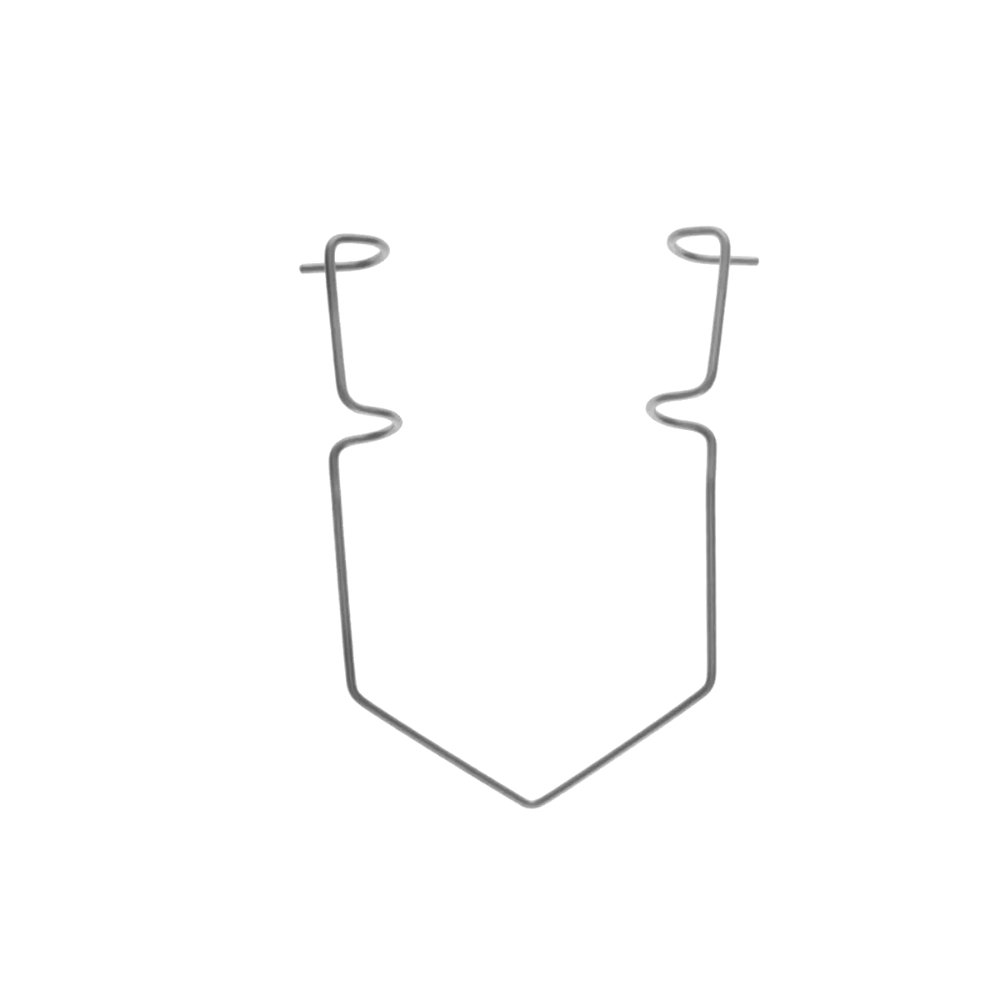

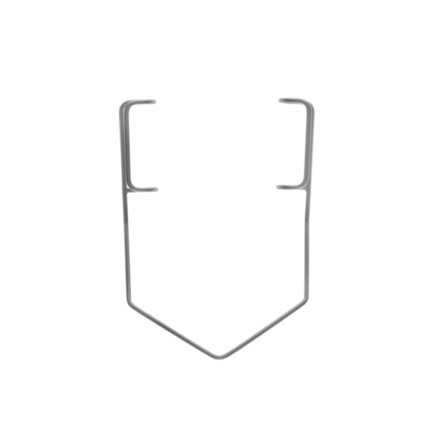
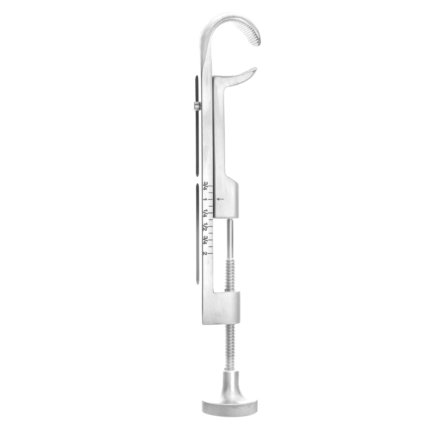
The Temporal Wire Speculum Open is a high-quality ophthalmic surgical instrument engineered to provide dependable eyelid retraction while maximizing access to the operative field during ophthalmic procedures. Its open wire configuration is specifically designed to facilitate temporal surgical approaches by minimizing obstruction around the surgical site, allowing ophthalmic surgeons greater flexibility for instrument manipulation and improved visibility. The instrument maintains consistent separation of the upper and lower eyelids while supporting precise microsurgical techniques.
Manufactured from premium surgical-grade stainless steel, the Temporal Wire Speculum Open offers exceptional durability, corrosion resistance, and long-lasting clinical performance. The lightweight open wire frame provides reliable spring tension for secure eyelid retraction while reducing the overall profile of the instrument. Its smooth, highly polished finish and atraumatic wire blades help minimize pressure on the eyelids, promoting gentle tissue handling throughout delicate ophthalmic procedures.
The ergonomic design provides excellent balance, secure positioning, and precise control without interfering with the surgeon’s line of sight. The open wire construction creates additional working space, making the instrument particularly suitable for cataract surgery, corneal transplantation, refractive surgery, glaucoma procedures, and other anterior segment ophthalmic operations performed through a temporal approach.
Designed for repeated professional use, the Temporal Wire Speculum Open is fully reusable and compatible with standard autoclave sterilization protocols. It maintains its structural integrity, spring tension, and polished finish through repeated sterilization cycles, making it a trusted choice for hospitals, ophthalmology clinics, ambulatory surgical centers, and specialized eye surgery practices.
Key Features
- Temporal wire eye speculum with open wire configuration.
- Designed for temporal ophthalmic surgical approaches.
- Provides gentle and stable eyelid retraction.
- Open wire frame improves surgical access and visibility.
- Atraumatic wire blades minimize eyelid pressure.
- Manufactured from premium surgical-grade stainless steel.
- Smooth polished finish for easy cleaning and sterilization.
- Corrosion-resistant and rust-resistant construction.
- Lightweight, durable, and ergonomically balanced.
- Fully reusable and autoclavable.
- Maintains reliable spring tension after repeated sterilization.
- Ideal for hospitals, ophthalmology clinics, and surgical centers.
Product Specifications
| Specification | Details |
|---|---|
| Product Name | Temporal Wire Speculum Open |
| Instrument Type | Ophthalmic Eye Speculum |
| Design | Open Wire, Temporal Pattern |
| Blade Type | Atraumatic Wire Blades |
| Material | Surgical Grade Stainless Steel |
| Finish | Satin / Mirror Polish |
| Reusable | Yes |
| Sterilization | Autoclavable |
| Corrosion Resistant | Yes |
| Specialty | Ophthalmology |
| Application | Eyelid Retraction During Eye Surgery |
| Usage | Professional Medical Use |
FAQs
Q1: What is the Temporal Wire Speculum Open used for?
It is used to provide stable eyelid retraction during ophthalmic procedures, particularly surgeries performed through a temporal approach.
Q2: What is the advantage of the open wire design?
The open wire configuration provides greater access to the surgical field, improves visibility, and allows easier instrument manipulation during delicate eye procedures.
Q3: What material is the Temporal Wire Speculum Open made from?
It is manufactured from premium surgical-grade stainless steel for exceptional durability, corrosion resistance, and long-term clinical performance.
Q4: Is the Temporal Wire Speculum Open reusable?
Yes. It is fully reusable and intended for repeated professional medical use.
Q5: Can it be autoclaved?
Yes, the instrument is fully autoclavable and compatible with standard hospital sterilization procedures.
Q6: Which procedures commonly use this speculum?
It is commonly used during cataract surgery, corneal transplantation, refractive surgery, glaucoma procedures, and other anterior segment ophthalmic surgeries requiring reliable eyelid retraction.
Q7: Where is this instrument commonly used?
It is widely used in hospitals, ophthalmology clinics, ambulatory surgical centers, eye hospitals, and specialized ophthalmic practices by qualified eye surgeons and healthcare professionals.
Reviews
There are no reviews yet.