
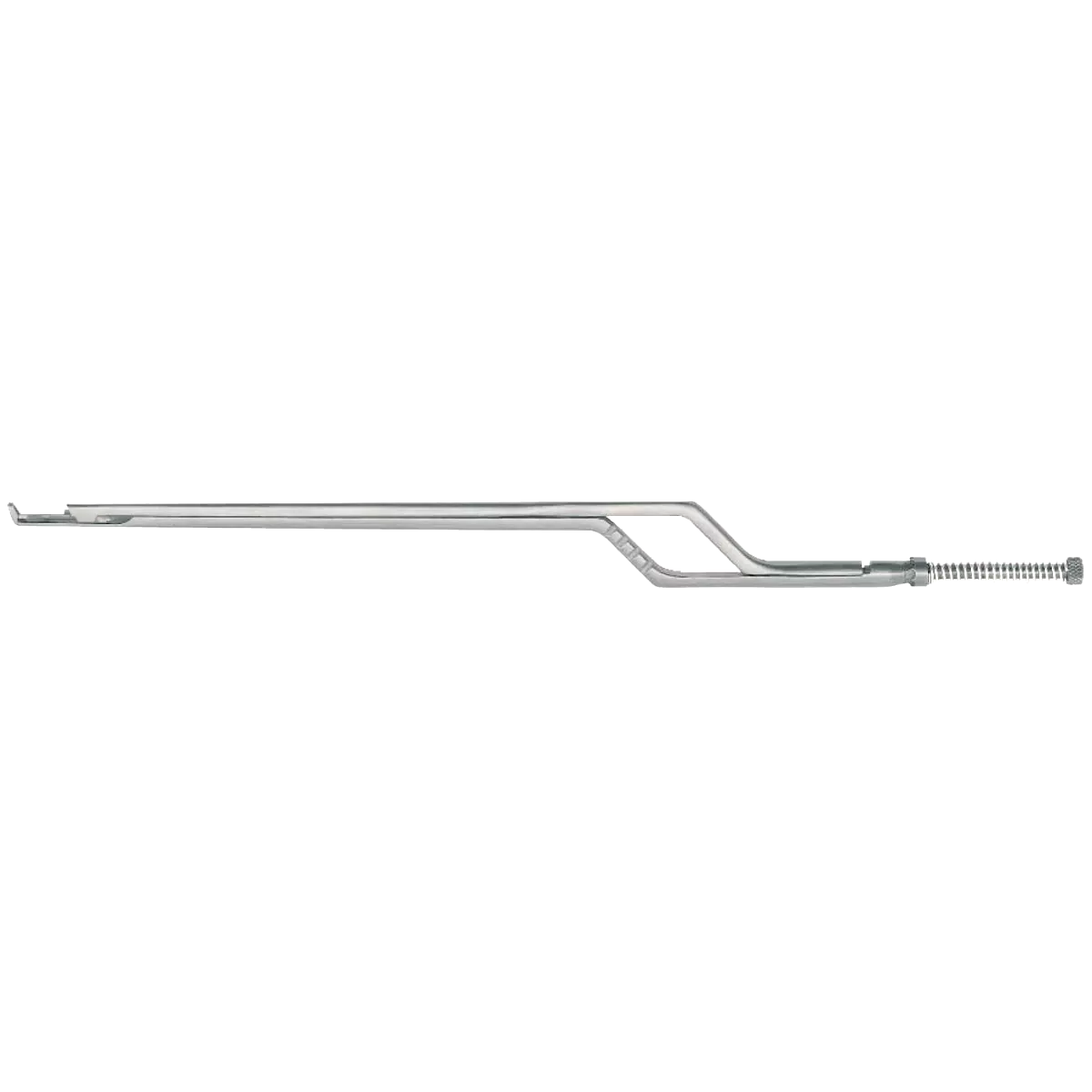

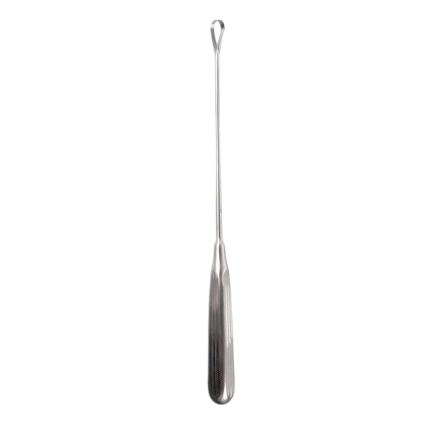
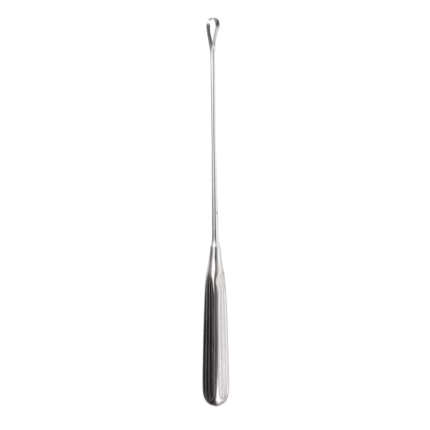
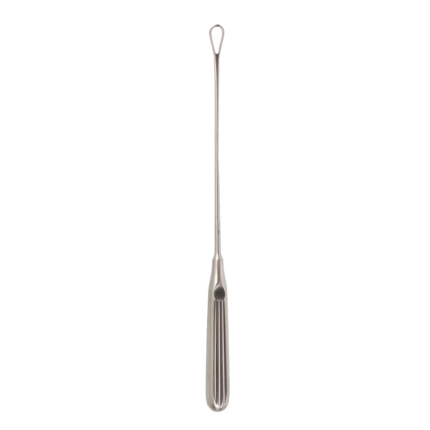
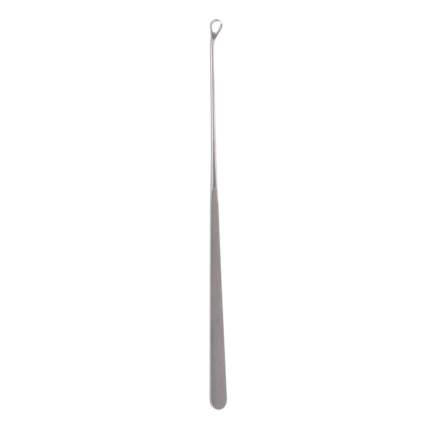
The Rotating Kerrison Shaft 7″ Bayonet 1.5mm Stainless Steel is a high-quality microsurgical instrument developed to meet the demanding requirements of neurosurgeons and spine surgeons performing complex decompression procedures. Engineered for exceptional precision and durability, this rotating Kerrison shaft provides accurate bone removal while preserving delicate neural structures. Its advanced design makes it an indispensable instrument for modern neurosurgical operating rooms where reliability and precise control are critical.
Constructed with a 7-inch (175mm) bayonet shaft, the instrument offers superior visualization by positioning the surgeon’s hand away from the operative field. The bayonet profile allows an unobstructed view through surgical loupes or an operating microscope, improving precision during deep spinal and cranial procedures. This ergonomic design enhances access to confined anatomical spaces while reducing hand interference, enabling smoother and more controlled surgical movements.
The 1.5mm biting jaw is specifically designed for delicate bone removal where controlled excision is essential. The precision-machined jaw allows surgeons to remove small portions of lamina, osteophytes, and other bony structures while minimizing trauma to adjacent tissues. The fine cutting profile supports meticulous decompression procedures that require exceptional accuracy around sensitive neurological anatomy.
A major advantage of this instrument is its rotating shaft mechanism, which allows the surgeon to rotate the cutting jaw during surgery without repositioning the entire instrument. This feature significantly improves flexibility and workflow by enabling rapid adjustment of the biting orientation to accommodate varying anatomical angles. The rotating mechanism enhances surgical efficiency while maintaining stable cutting performance and consistent jaw alignment.
Manufactured from premium surgical-grade stainless steel, this rotating Kerrison shaft offers excellent corrosion resistance, structural integrity, and long-term durability. The high-quality stainless steel construction is engineered to withstand repeated cleaning, autoclave sterilization, and routine clinical use without compromising performance. The polished surface resists staining and supports easy maintenance, making the instrument suitable for high-volume surgical environments.
The instrument is designed for a broad range of neurosurgical and spinal procedures requiring precise bone removal. It is commonly used during laminectomy, laminotomy, spinal decompression, microdiscectomy, cervical spine surgery, lumbar spine surgery, foraminotomy, and cranial microsurgical procedures. Its fine 1.5mm jaw allows surgeons to perform meticulous decompression while preserving surrounding neural tissues and minimizing unnecessary bone removal.
The bayonet configuration also improves surgeon comfort by promoting a more natural hand position during prolonged procedures. Combined with the smooth rotating mechanism, this ergonomic design reduces hand fatigue and supports precise instrument control throughout complex microsurgical operations.
This reusable neurosurgical instrument is fully compatible with standard hospital cleaning and sterilization protocols. Its robust construction ensures reliable performance through repeated reprocessing cycles, providing excellent long-term value for hospitals, spine centres, and specialized neurosurgical facilities.
The Neurosurgery Surgical Rotating Kerrison Shaft 7″ Bayonet 1.5mm Stainless Steel combines precision engineering, ergonomic handling, and durable construction to deliver outstanding performance in advanced neurosurgical procedures. It is an ideal choice for surgeons seeking consistent cutting accuracy, excellent visualization, and dependable reliability in every operation.
Key Features
- 7″ (175mm) bayonet shaft provides improved surgical visibility
- 1.5mm biting jaw for precise microsurgical bone removal
- Smooth rotating shaft mechanism for adjustable jaw orientation
- Manufactured from premium surgical-grade stainless steel
- Bayonet profile minimizes hand obstruction during surgery
- Precision-machined cutting edges for accurate and controlled performance
- Ideal for spinal decompression and cranial microsurgical procedures
- Excellent maneuverability in narrow operative corridors
- Corrosion-resistant construction for extended service life
- Fully reusable and compatible with standard autoclave sterilization
- Ergonomic design enhances comfort during prolonged procedures
- Designed for hospitals, neurosurgical operating theatres, and spine surgery centres
Product Specifications Table
| Specification | Details |
|---|---|
| Product Name | Neurosurgery Surgical Rotating Kerrison Shaft |
| Instrument Type | Rotating Micro Kerrison Shaft |
| Specialty | Neurosurgery / Spine Surgery |
| Length | 7″ (175mm) |
| Shaft Design | Bayonet |
| Bite Size | 1.5mm |
| Material | Surgical Stainless Steel |
| Rotation Mechanism | Yes |
| Application | Bone removal, spinal decompression, microsurgery |
| Reusability | Yes |
| Sterilization | Compatible with autoclave and standard hospital sterilization methods |
| Finish | Satin/Polished Stainless Steel |
FAQs
1. What is a 1.5mm rotating Kerrison shaft used for?
A 1.5mm rotating Kerrison shaft is used for precise bone removal during spinal decompression, laminectomy, laminotomy, microdiscectomy, and cranial neurosurgical procedures requiring delicate surgical control.
2. What are the benefits of a bayonet shaft design?
The bayonet shaft keeps the surgeon’s hand away from the operative field, improving visualization under the surgical microscope and allowing easier access to deep anatomical structures.
3. Why is a rotating Kerrison shaft beneficial?
The rotating mechanism allows surgeons to adjust the orientation of the biting jaw without repositioning the instrument, improving efficiency, flexibility, and surgical precision.
4. What material is this Kerrison shaft manufactured from?
The instrument is manufactured from premium surgical-grade stainless steel, providing exceptional corrosion resistance, strength, and long-term durability.
5. Can this instrument be sterilized and reused?
Yes. The instrument is fully reusable and designed to withstand repeated autoclave sterilization and standard hospital reprocessing procedures.
6. Which surgical procedures commonly require this instrument?
It is commonly used during spinal decompression, cervical and lumbar laminectomy, laminotomy, microdiscectomy, foraminotomy, and cranial neurosurgical procedures requiring precise bone removal.
7. What are the advantages of a 1.5mm biting jaw?
The 1.5mm biting jaw allows highly controlled and accurate bone excision, making it ideal for microsurgical procedures where preserving surrounding neurological structures is essential.

Reviews
There are no reviews yet.