
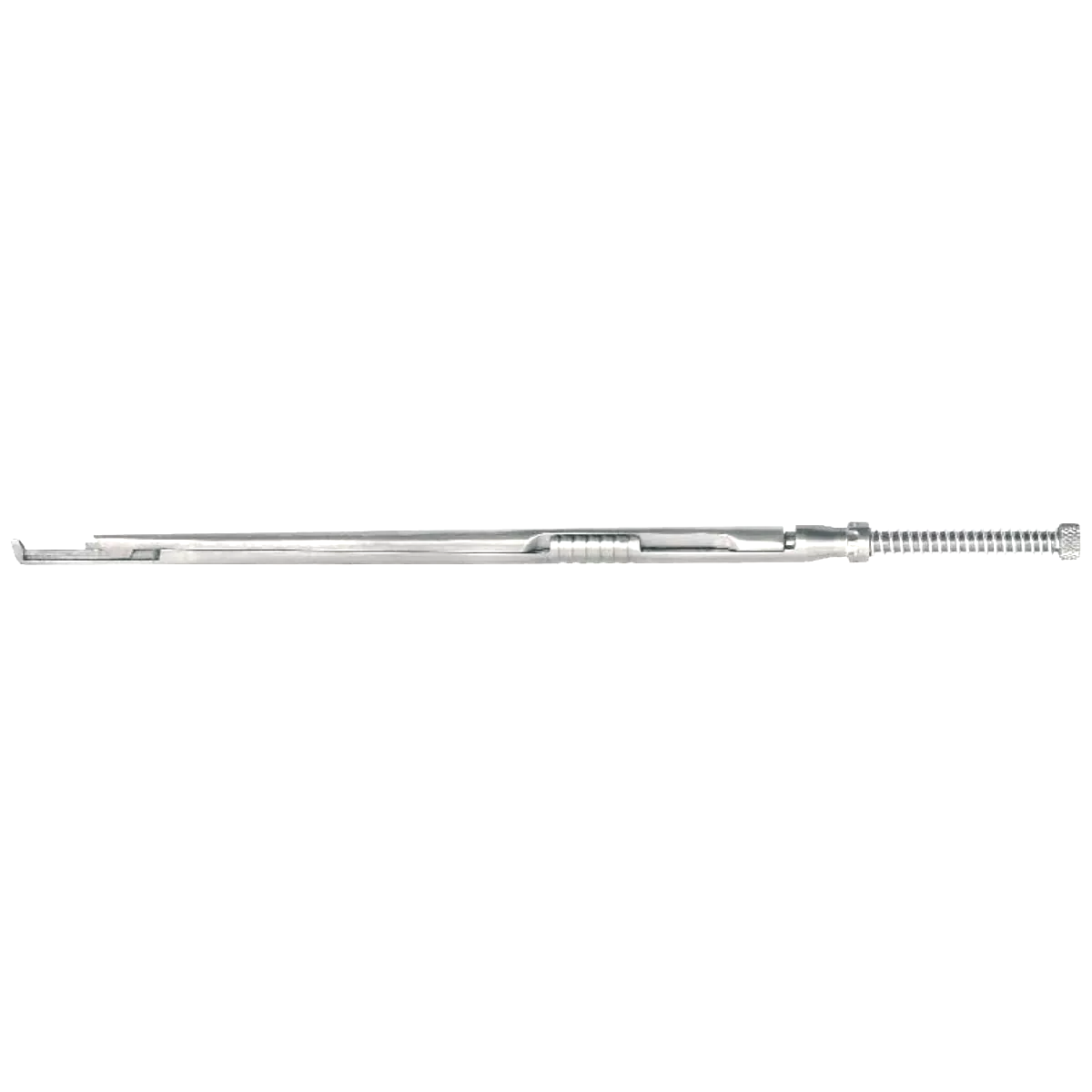
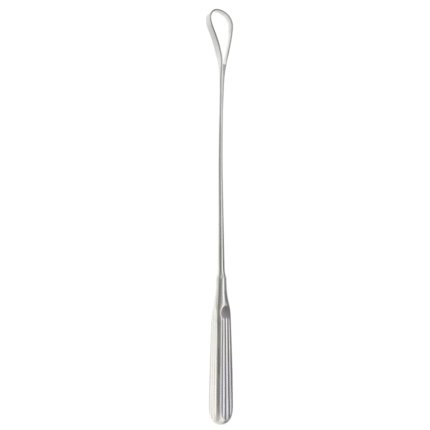
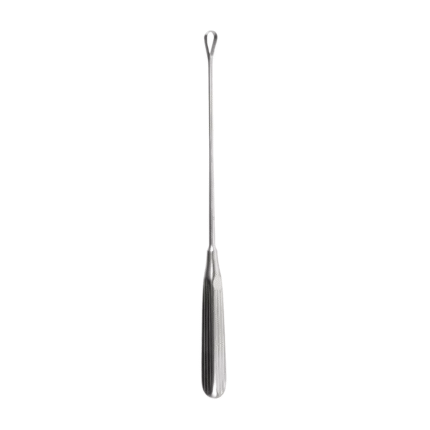
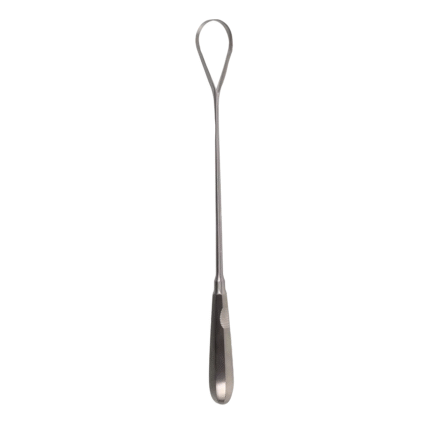
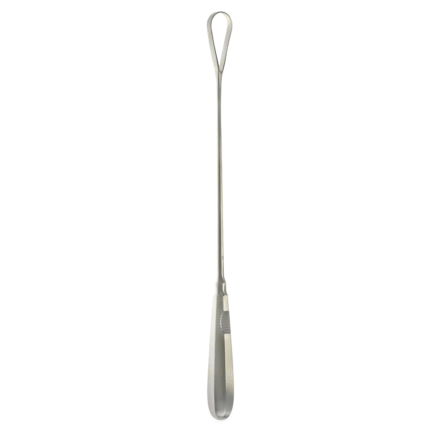
The Rotating Kerrison Shaft 7″ 6mm 40° Up Stainless Steel is a specialized microsurgical instrument designed to support surgeons during complex neurosurgical and spinal procedures requiring controlled bone removal and precise anatomical access. This high-quality rotating Kerrison shaft is engineered for compatibility with the 70-2390 Micro Kerrison system, providing reliable performance in advanced surgical environments.
Manufactured from premium surgical-grade stainless steel, this neurosurgery Kerrison shaft offers exceptional durability, corrosion resistance, and structural strength. The stainless steel construction allows the instrument to withstand repeated cleaning and sterilization cycles while maintaining its precision, functionality, and professional appearance. Its high-quality material selection makes it suitable for long-term use in hospitals, specialty surgical centers, and neurosurgical operating rooms.
The 7-inch (175mm) straight shaft design provides surgeons with a balanced combination of reach, control, and maneuverability. This length is ideal for procedures where accurate instrument positioning and improved handling are required. The straight configuration helps maintain consistent force application, while the rotating mechanism allows surgeons to adjust the working orientation for improved ergonomics and surgical efficiency.
Featuring a 6mm working tip with a 40° up angle, this Kerrison shaft is designed for effective removal of bone fragments, lamina, ligament, and other tissue structures during spinal decompression procedures. The angled tip provides enhanced visualization and access in restricted surgical fields, helping surgeons approach targeted areas with greater precision while minimizing unnecessary manipulation of surrounding structures.
The rotating design of this micro Kerrison instrument improves flexibility during surgery by allowing controlled adjustment of the instrument position without requiring complete repositioning. This feature supports smoother surgical workflow and helps reduce hand fatigue during lengthy procedures. The ergonomic design provides surgeons with improved handling confidence when performing delicate neurosurgical interventions.
Common applications for the Rotating Kerrison Shaft 7″ 6mm 40° Up Stainless Steel include spinal decompression, laminectomy, laminotomy, and other procedures involving controlled bone removal. It is particularly valuable in situations where precise access and dependable cutting performance are essential. The instrument is designed to meet the demanding requirements of modern neurosurgery and minimally invasive spinal techniques.
Proper maintenance, including thorough cleaning, inspection, lubrication where applicable, and sterilization according to professional guidelines, helps preserve the instrument’s performance and extends its operational lifespan. The reusable stainless steel design makes it a cost-effective and dependable choice for surgical departments requiring high-performance neurosurgical instruments.
The Neurosurgery Surgical Rotating Kerrison Shaft, 7″ (175mm) Straight, 6mm, 40° Up combines precision engineering, durable construction, and surgeon-focused functionality. It is an essential component for neurosurgical instrument sets requiring accuracy, reliability, and excellent control during advanced spinal and cranial procedures.
Key Features
- Professional 7″ (175mm) rotating Kerrison shaft for neurosurgery applications
- 6mm working tip designed for efficient bone and tissue removal
- 40° up angled tip improves surgical access and visibility
- Straight shaft design provides balanced handling and precise control
- Compatible with 70-2390 Micro Kerrison system
- Manufactured from premium surgical stainless steel
- Resistant to corrosion and suitable for repeated sterilization
- Designed for spinal decompression and microsurgical procedures
- Rotating mechanism enhances ergonomic positioning during surgery
- Provides reliable performance in demanding neurosurgical environments
- Suitable for hospitals, surgical centers, and spine surgery departments
- Precision-machined construction supports consistent surgical results
Product Specifications Table
| Specification | Details |
|---|---|
| Product Name | Neurosurgery Surgical Rotating Kerrison Shaft |
| Instrument Type | Rotating Kerrison Shaft |
| Specialty | Neurosurgery / Spine Surgery |
| Overall Length | 7″ (175mm) |
| Shaft Design | Straight |
| Working Tip Size | 6mm |
| Tip Direction | 40° Up |
| Material | Surgical Grade Stainless Steel |
| Compatibility | Requires 70-2390 Micro System |
| Application | Bone and tissue removal during microsurgical procedures |
| Instrument Type | Reusable Surgical Instrument |
| Sterilization | Compatible with standard surgical sterilization methods |
FAQs
1. What is a 7″ Rotating Kerrison Shaft used for?
A 7″ Rotating Kerrison Shaft is used in neurosurgical and spinal procedures for controlled removal of bone, ligament, and tissue during decompression and other microsurgical techniques.
2. What procedures require a 6mm Kerrison Shaft?
The 6mm Kerrison Shaft is commonly used for spinal decompression, laminectomy, laminotomy, and other procedures requiring efficient bone removal.
3. What is the advantage of a 40° up Kerrison tip design?
A 40° up tip provides improved access and visualization in challenging surgical areas, allowing surgeons to work with greater precision and control.
4. Is this Rotating Kerrison Shaft compatible with the 70-2390 Micro system?
Yes, this instrument is designed specifically for use with the 70-2390 Micro Kerrison system.
5. What material is used to manufacture this neurosurgical instrument?
The Kerrison Shaft is made from high-quality surgical stainless steel, offering durability, corrosion resistance, and long-term reliability.
6. Can the Kerrison Shaft be sterilized and reused?
Yes, the stainless steel construction allows repeated sterilization when proper surgical instrument cleaning and maintenance procedures are followed.
7. Why choose a rotating Kerrison shaft for spinal surgery?
A rotating Kerrison shaft provides improved instrument positioning, ergonomic handling, and greater flexibility during complex neurosurgical procedures.



Reviews
There are no reviews yet.