
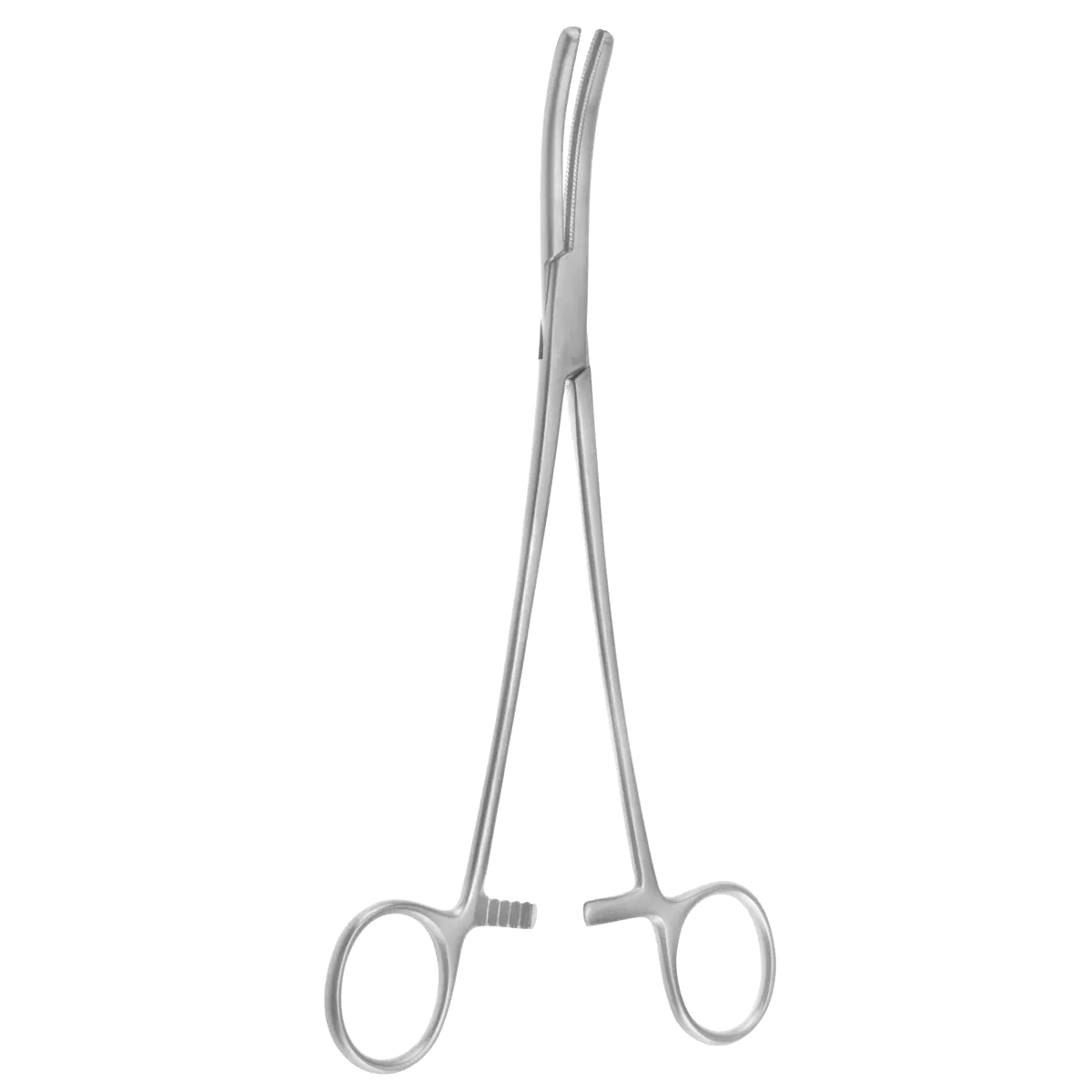
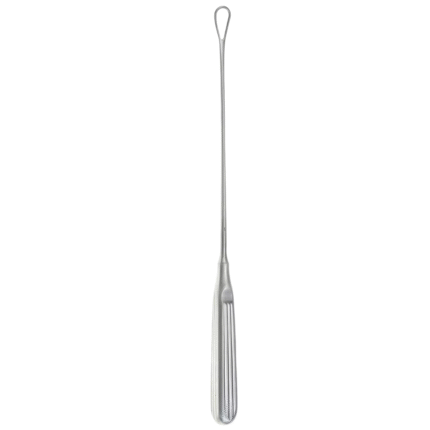
The Neurosurgery 8¼″ Buie Clamp & Hemorrhoid Forceps is a high-quality surgical instrument engineered to deliver secure tissue clamping, dependable vascular control, and exceptional handling during a wide range of delicate surgical procedures. Although traditionally recognized for anorectal surgery, the instrument’s precise clamping mechanism and ergonomic design also make it valuable for selected neurosurgical and microsurgical applications where controlled tissue stabilization and reliable hemostasis are required. Its robust construction and carefully engineered jaws enable surgeons to work confidently while minimizing unnecessary trauma to surrounding tissues.
The Neurosurgery Surgical 8¼″ Buie Clamp & Hemorrhoid Forceps is commonly utilized in neurosurgery, spinal surgery, general surgery, colorectal surgery, vascular surgery, plastic and reconstructive surgery, and other specialty procedures requiring controlled tissue handling and temporary vascular occlusion. The instrument is particularly useful for securely grasping tissue, controlling localized bleeding, and assisting with tissue dissection while maintaining a clear and organized operative field.
Manufactured from premium surgical-grade stainless steel, these forceps are built to withstand the rigorous demands of modern operating rooms. The corrosion-resistant material provides exceptional durability and maintains precise jaw alignment through repeated surgical use and sterilization. The satin or matte surface finish minimizes glare from operating room lighting, improving visibility during lengthy and technically demanding procedures.
The instrument features precision serrated jaws that provide a secure grip on tissue while reducing the risk of slippage. The carefully engineered jaw design distributes clamping pressure evenly, helping minimize tissue trauma while ensuring reliable holding strength. This controlled gripping capability allows surgeons to stabilize tissue effectively during delicate dissections and hemostatic procedures.
A precision ratchet locking mechanism provides smooth engagement and consistent clamping pressure throughout the procedure. Once locked, the instrument maintains a secure hold without requiring continuous hand pressure, allowing surgeons to focus on other aspects of the operation while improving procedural efficiency and reducing fatigue.
With an overall length of 8¼ inches (approximately 21 cm), the instrument offers an ideal combination of reach, balance, and maneuverability. Ergonomic finger ring handles provide a comfortable grip and excellent tactile feedback, allowing precise instrument control during both open and specialized surgical procedures. The balanced construction enhances handling and supports accurate movements in confined operative fields.
The Neurosurgery Surgical 8¼″ Buie Clamp & Hemorrhoid Forceps is fully reusable and compatible with standard hospital sterilization methods, including steam autoclaving. Its premium stainless steel construction preserves structural integrity, jaw alignment, and locking performance through repeated sterilization cycles, making it a dependable choice for hospitals, ambulatory surgical centers, and specialty operating rooms.
Designed to meet the highest standards of surgical quality, this instrument combines precision engineering, durable materials, and ergonomic functionality to deliver dependable clinical performance. Whether used for tissue stabilization, vascular control, hemostasis, or delicate surgical dissection, the Neurosurgery Surgical 8¼″ Buie Clamp & Hemorrhoid Forceps provides the reliability and precision trusted by surgical professionals worldwide.
Key Features
- Designed for secure tissue clamping and reliable hemostasis
- Suitable for neurosurgical, general surgical, vascular, and specialty procedures
- Precision serrated jaws provide a firm, atraumatic tissue grip
- Manufactured from premium surgical-grade stainless steel
- Reliable ratchet locking mechanism ensures consistent clamping pressure
- Ergonomic finger ring handles enhance comfort and surgical control
- Satin finish reduces glare under operating room lighting
- Corrosion-resistant construction for extended clinical life
- Balanced lightweight design improves maneuverability
- Fully reusable and steam autoclave compatible
- Precision-engineered for long-term surgical performance
- Suitable for hospitals, surgical centers, and specialty operating rooms
Product Specifications
| Specification | Details |
|---|---|
| Product Name | Neurosurgery Surgical 8¼″ Buie Clamp & Hemorrhoid Forceps |
| Instrument Type | Clamp & Hemostatic Forceps |
| Specialty | Neurosurgery, General Surgery |
| Jaw Style | Serrated Clamping Jaws |
| Overall Length | 8¼ inches (Approximately 21 cm) |
| Material | Premium Surgical Stainless Steel |
| Handle Type | Finger Ring Handle |
| Locking Mechanism | Precision Ratchet Lock |
| Finish | Satin / Matte Finish |
| Reusable | Yes |
| Sterility | Non-Sterile |
| Sterilization | Steam Autoclave Compatible |
| Corrosion Resistant | Yes |
| Latex Free | Yes |
| Applications | Neurosurgery, Spinal Surgery, General Surgery, Colorectal Surgery, Vascular Surgery, Plastic Surgery, Tissue Clamping, Hemostasis |
FAQs
1. What is the Neurosurgery Surgical 8¼″ Buie Clamp & Hemorrhoid Forceps used for?
It is used for secure tissue clamping, vascular control, hemostasis, and tissue stabilization during neurosurgical, general surgical, and specialty surgical procedures.
2. What are the benefits of the serrated jaws?
The serrated jaws provide a secure, non-slip grip on tissue while distributing clamping pressure evenly to help minimize tissue trauma.
3. What material is this instrument made from?
The instrument is manufactured from premium surgical-grade stainless steel, offering excellent corrosion resistance, strength, and long-lasting clinical performance.
4. Can the Buie Clamp & Hemorrhoid Forceps be sterilized and reused?
Yes. The instrument is fully reusable and compatible with standard steam autoclave sterilization, maintaining its precision and durability after repeated sterilization cycles.
5. Which surgical specialties commonly use this instrument?
It is commonly used in neurosurgery, spinal surgery, general surgery, colorectal surgery, vascular surgery, plastic and reconstructive surgery, and other procedures requiring secure tissue clamping and reliable hemostasis.


Reviews
There are no reviews yet.