
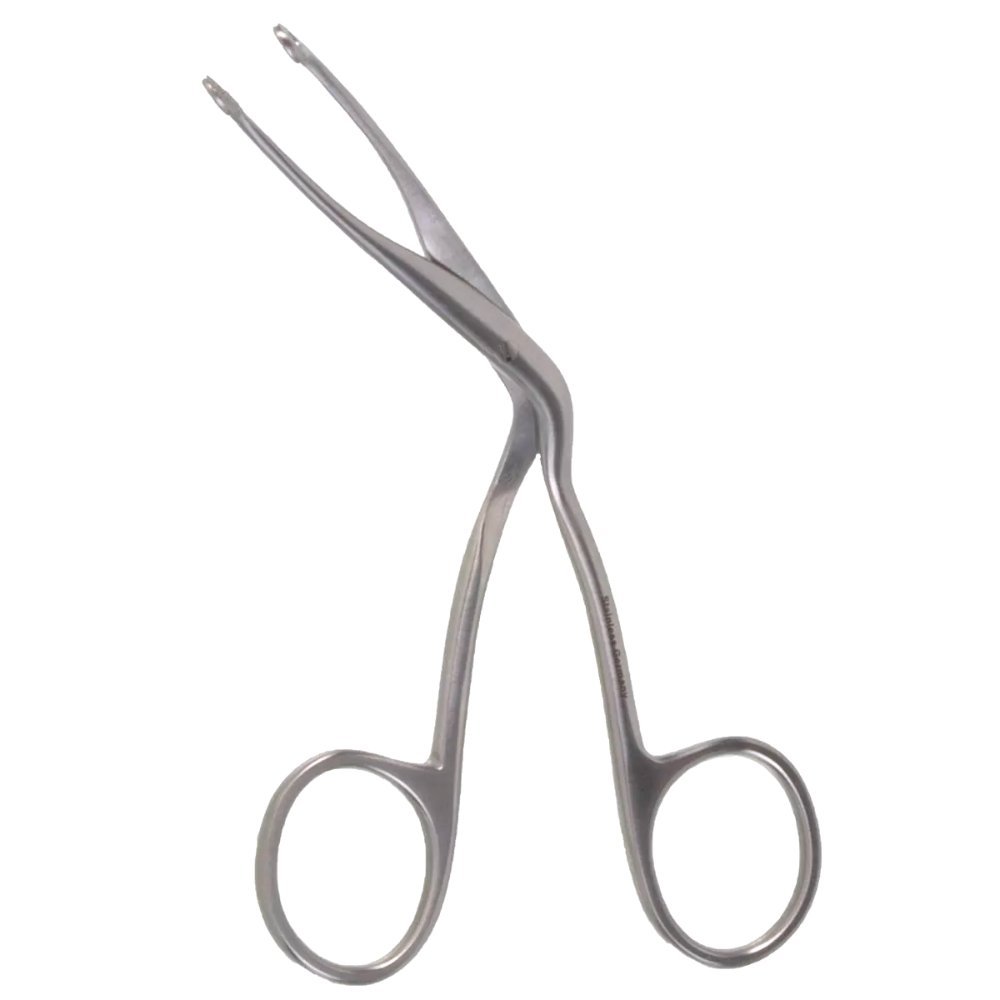
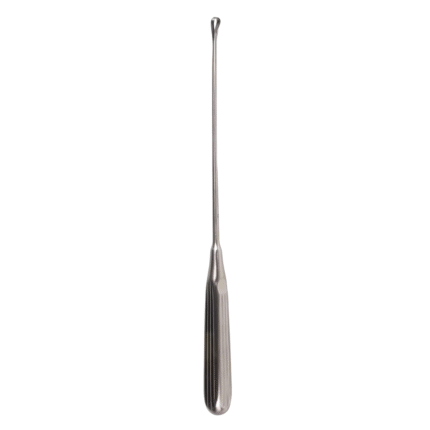
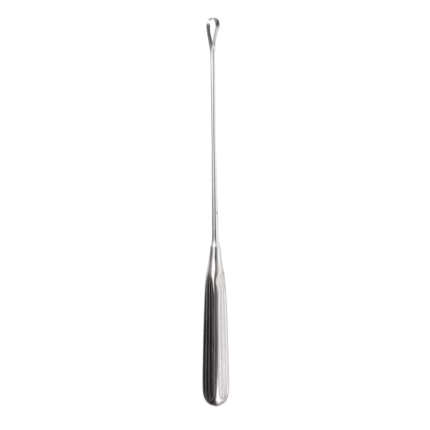
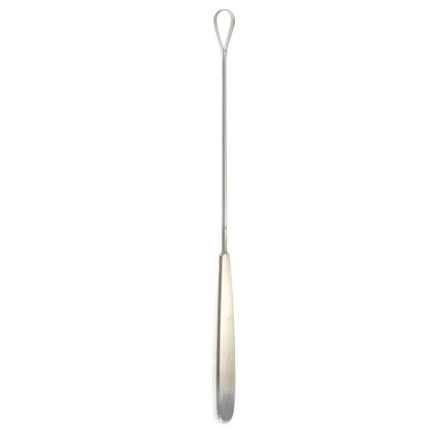
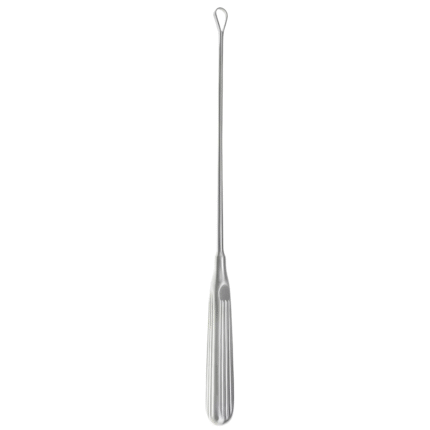
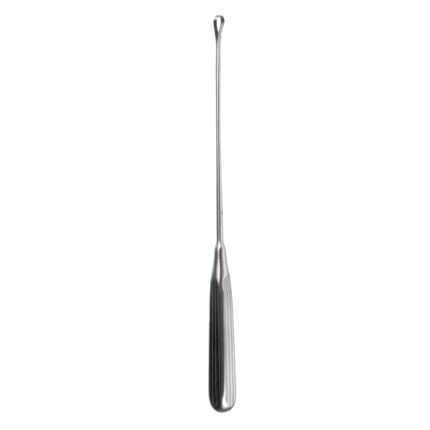
The Neurosurgery Surgical 6½” Magill Catheter Forceps, Infant Size is a precision-engineered surgical instrument designed specifically for delicate airway management procedures involving infants and very small patients. This specialized forceps provides healthcare professionals with the control and accuracy required for positioning catheters, endotracheal tubes, and other medical devices during anesthesia, ENT, neonatal, and emergency airway procedures.
Magill Catheter Forceps are recognized for their unique angled design, which allows clinicians to access the oral cavity and upper airway while maintaining excellent visibility of the operative area. The curved configuration helps guide tubes and catheters into position while minimizing interference with the clinician’s line of sight. This design makes the instrument an essential component in specialized airway management sets used in pediatric and neonatal care.
The 6½-inch infant-size design is developed for procedures involving smaller anatomical structures where precision and gentle handling are critical. The compact length allows improved maneuverability in limited spaces while providing clinicians with accurate control during delicate airway interventions. The smaller profile helps support safe and efficient handling of medical devices in infant patients.
The carefully designed jaws provide secure handling of small catheters, tubes, and related devices while minimizing the risk of unwanted movement. The gripping surfaces allow controlled manipulation without excessive pressure, supporting careful placement during sensitive procedures. The angled jaw design enhances access and helps clinicians perform airway-related tasks more effectively.
Manufactured from premium medical-grade stainless steel, the Neurosurgery Surgical 6½” Magill Catheter Forceps, Infant Size offers excellent durability, corrosion resistance, and long-term reliability. The instrument is precision-crafted to ensure smooth articulation, accurate alignment, and consistent performance throughout repeated clinical use. Its robust construction allows it to withstand frequent cleaning, disinfection, and sterilization processes while maintaining its mechanical integrity.
The ergonomic finger ring handles provide a comfortable and secure grip, allowing clinicians to perform precise movements with improved confidence. The balanced construction supports controlled manipulation and reduces hand fatigue during complex or extended procedures. The smooth surface finish enables efficient cleaning, inspection, and maintenance while supporting proper surgical hygiene standards.
This infant-size Magill Catheter Forceps is commonly used in neonatal anesthesia, pediatric surgery, ENT procedures, emergency airway management, intensive care units, and operating rooms. It is frequently included in neonatal airway kits, pediatric intubation trays, anesthesia instrument sets, and specialized surgical collections. The instrument is valuable for procedures requiring accurate catheter guidance, tube positioning, and airway assistance in infant patients.
Designed for professional healthcare environments, the Neurosurgery Surgical 6½” Magill Catheter Forceps, Infant Size is fully reusable and compatible with standard hospital sterilization methods, including autoclaving. The premium stainless steel construction provides long-lasting performance and resistance to corrosion, ensuring reliable functionality through repeated sterilization cycles.
For medical professionals requiring a precise and dependable infant airway instrument, the Neurosurgery Surgical 6½” Magill Catheter Forceps, Infant Size delivers excellent control, ergonomic handling, and reliable performance for neonatal anesthesia, ENT, and airway management procedures.
Key Features
- 6½-inch infant-size design for delicate airway procedures
- Angled Magill pattern improves access and visibility
- Designed for neonatal catheter and tube handling
- Suitable for infant anesthesia and ENT applications
- Premium surgical-grade stainless steel construction
- Precision jaws provide controlled device manipulation
- Smooth articulation for accurate operation
- Ergonomic finger rings enhance comfort and grip
- Compact design supports precise maneuverability
- Corrosion resistant and highly durable
- Fully reusable and autoclavable
- Designed for professional pediatric healthcare use
Product Specifications
| Specification | Details |
|---|---|
| Product Name | Neurosurgery Surgical 6½” Magill Catheter Forceps, Infant Size |
| Instrument Type | Magill Catheter Forceps |
| Overall Length | 6½ Inches |
| Size | Infant / Neonatal |
| Jaw Design | Angled Magill Pattern |
| Application | Infant Airway Management, Catheter Placement, Tube Handling |
| Material | Premium Surgical Grade Stainless Steel |
| Finish | Satin / Polished Finish |
| Reusable | Yes |
| Sterilization | Autoclavable |
| Corrosion Resistance | Yes |
| Specialty | Neurosurgery, Anesthesia, ENT, Neonatal Surgery |
| Usage | Airway Assistance, Catheter Guidance, Intubation Support |
FAQs
1. What are 6½” Magill Catheter Forceps Infant Size used for?
They are used for infant and neonatal airway procedures, including catheter placement, tube manipulation, and anesthesia-related applications.
2. Why are infant-size Magill Forceps smaller than adult models?
Infant-size Magill Forceps are designed with a shorter length and compact profile to provide better control within smaller airway structures.
3. What is the purpose of the angled design on Magill Forceps?
The angled design improves visibility and allows healthcare professionals to guide tubes and catheters more effectively during airway procedures.
4. What material is the instrument manufactured from?
It is made from premium surgical-grade stainless steel for durability, corrosion resistance, and repeated sterilization capability.
5. Can infant Magill Catheter Forceps be reused?
Yes. The instrument is fully reusable and designed for hospital cleaning, disinfection, and autoclave sterilization.
6. Which specialties commonly use Infant Size Magill Catheter Forceps?
They are commonly used in neonatal anesthesia, pediatric surgery, ENT procedures, emergency medicine, and intensive care airway management.


Reviews
There are no reviews yet.