
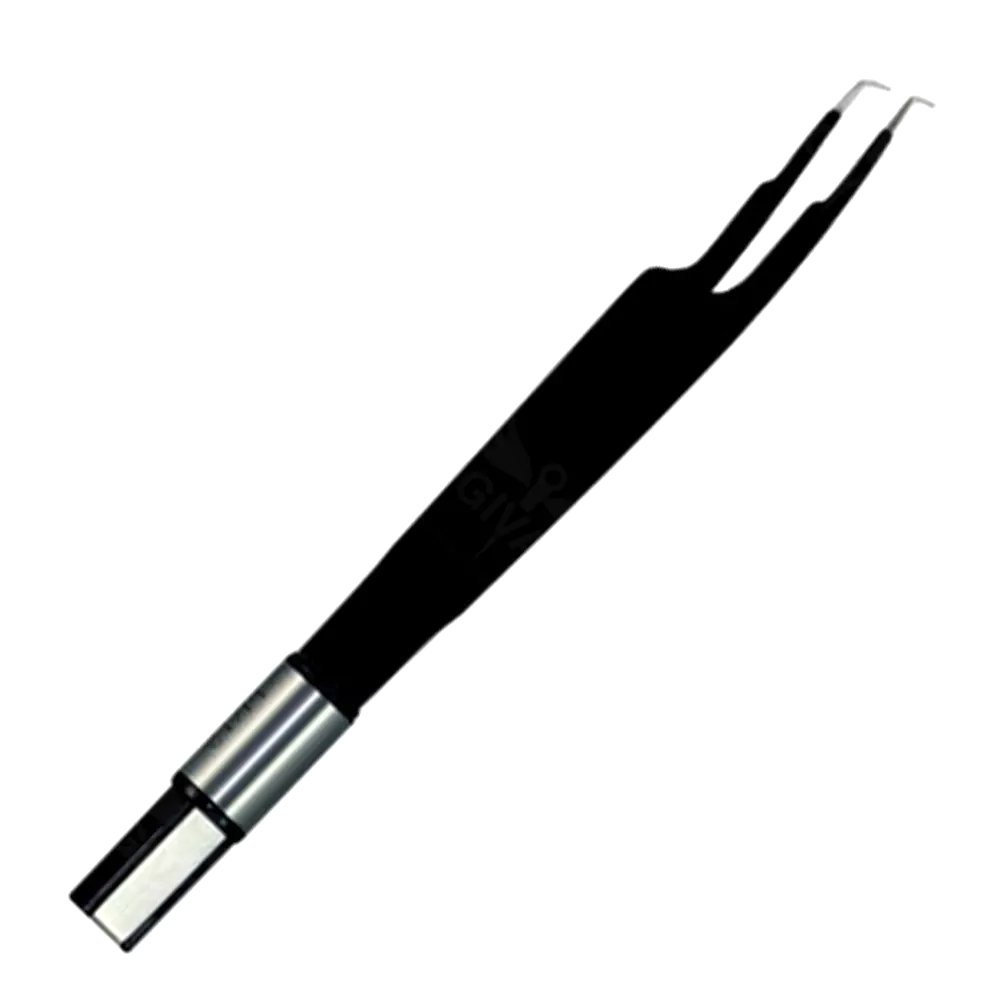
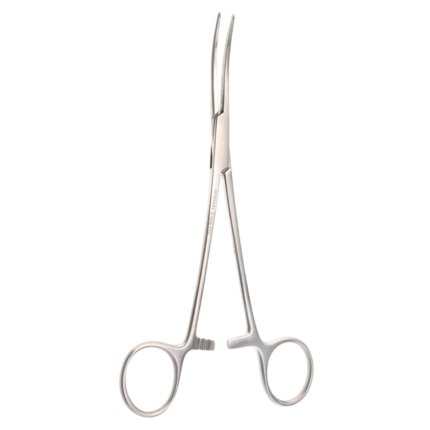

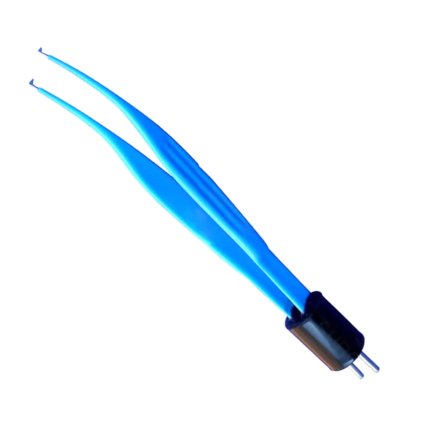
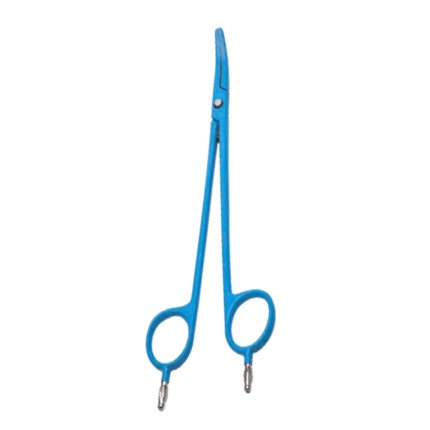
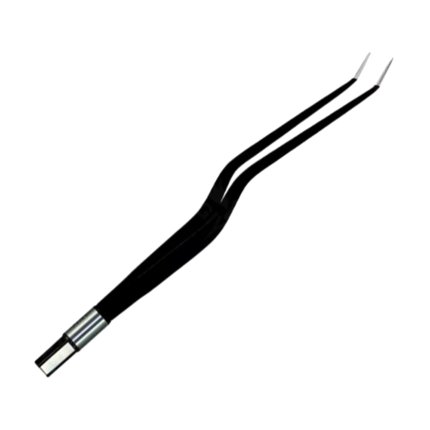
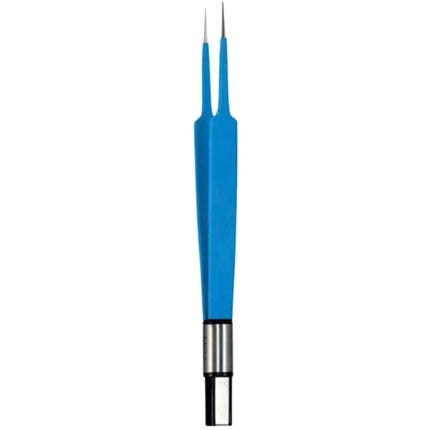
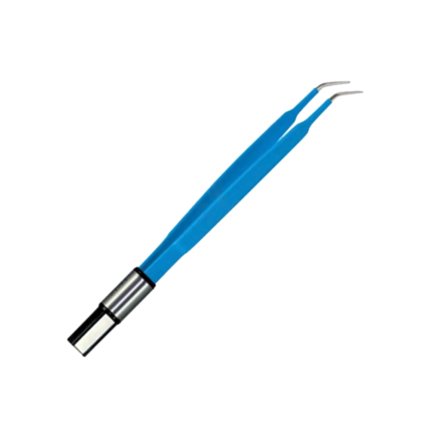
The Electrosurgical European Bipolar Forceps – Coaptation Nadler Bipolar Forceps are high-precision microsurgical instruments designed for controlled electrosurgical coagulation and delicate tissue handling. These forceps are widely used in neurosurgery, ENT, plastic surgery, and other advanced surgical specialties where accuracy, stability, and minimal tissue trauma are essential.
The Nadler coaptation tip design is specifically engineered to provide fine tissue approximation and controlled bipolar energy delivery. This allows surgeons to gently stabilize and coagulate delicate tissues with enhanced precision, making it highly suitable for microsurgical procedures requiring refined control and accuracy.
Manufactured from premium surgical-grade stainless steel, these forceps ensure excellent durability, corrosion resistance, and long-term reliability. The European bipolar system delivers precise energy directly between the tips, minimizing thermal spread and protecting surrounding healthy tissues during electrosurgical activation.
The insulated shaft enhances safety by preventing unintended electrical conduction, ensuring that energy is focused only at the intended surgical site. This controlled energy delivery is critical in microsurgical environments where precision and tissue preservation are essential.
The ergonomic lightweight design reduces hand fatigue during prolonged surgical procedures, allowing surgeons to maintain stability and accuracy throughout complex operations. The satin anti-reflective finish improves visibility under operating room lighting, reducing glare and enhancing surgical precision.
These forceps are fully autoclavable and reusable, making them a cost-effective and sustainable solution for hospitals and surgical centers. They retain structural integrity and performance even after repeated sterilization cycles, ensuring long-term usability.
The Coaptation Nadler Bipolar Forceps are compatible with standard electrosurgical systems, allowing seamless integration into modern operating room setups. Their specialized design makes them particularly effective for procedures requiring gentle tissue handling combined with precise coagulation.
Overall, this instrument delivers precision, safety, and reliability, making it an essential tool for surgeons performing delicate electrosurgical procedures.
Key Features
- Premium European Coaptation Nadler bipolar forceps
- Designed for precise tissue approximation and coagulation
- High-grade surgical stainless steel construction
- Insulated shaft for electrical safety
- Minimal thermal spread for tissue protection
- Excellent control for microsurgical procedures
- Ergonomic lightweight design reduces fatigue
- Compatible with standard electrosurgical units
- Fully autoclavable and reusable
- Satin anti-reflective finish reduces glare
- Durable and corrosion-resistant build
- Ideal for delicate microsurgical applications
Product Specifications
| Specification | Details |
|---|---|
| Product Type | Electrosurgical Bipolar Forceps |
| Application | Coagulation & tissue coaptation |
| Material | Surgical Grade Stainless Steel |
| Finish | Satin / Insulated finish |
| Sterilization | Autoclavable |
| Reusability | Reusable |
| Specialty | Coaptation Nadler Electrosurgical Instrument |
| Instrument Type | European Bipolar Forceps |
| Tip Style | Nadler Coaptation Tip |
| Usage | Neurosurgery, ENT, Plastic Surgery, General Surgery |
Product Contents
- 1 × Electrosurgical European Coaptation Nadler Bipolar Forceps
Applications
- Neurosurgical microsurgical procedures
- ENT delicate tissue coagulation
- Plastic and reconstructive surgery
- General electrosurgical procedures
- Vascular and nerve-sparing surgery
- Fine tissue approximation and controlled coagulation
FAQs
Q1: What is Nadler bipolar forceps used for?
A: It is used for precise tissue coaptation and controlled electrosurgical coagulation.
Q2: What makes the Nadler tip different?
A: It is designed for gentle tissue approximation with high precision control.
Q3: Are these forceps reusable?
A: Yes, they are fully autoclavable and designed for repeated use.
Q4: Are they compatible with electrosurgical units?
A: Yes, they work with standard bipolar electrosurgical systems.
Q5: Which surgeries commonly use this instrument?
A: Neurosurgery, ENT, plastic surgery, and general microsurgical procedures.



Reviews
There are no reviews yet.