
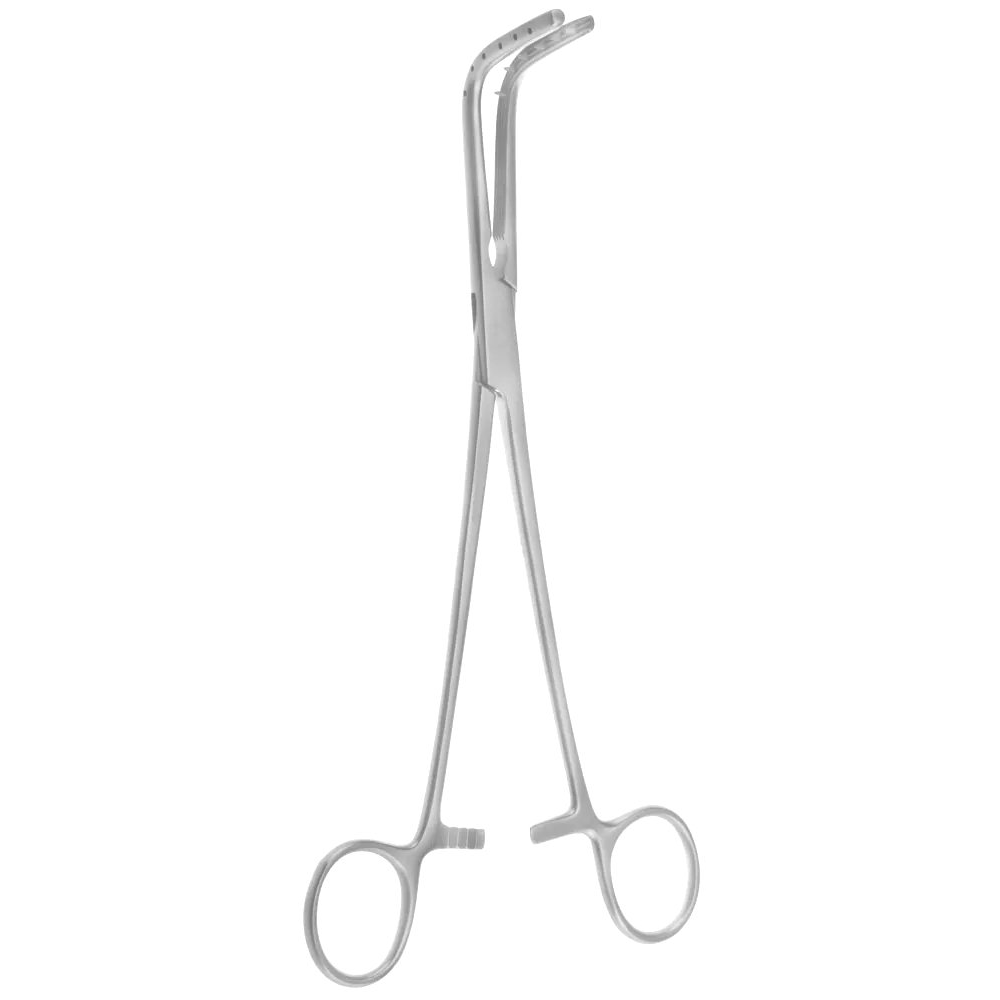
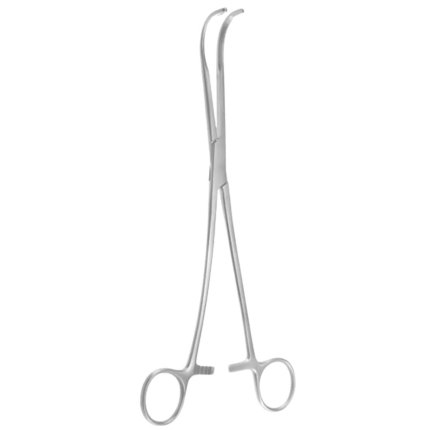
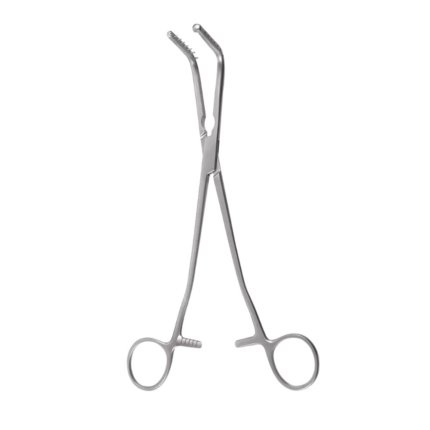
The Neurosurgery Surgical Sarot Bronchus Clamp Left is a premium surgical instrument engineered to deliver precise, atraumatic clamping during complex neurosurgical, cerebrovascular, spinal, and microsurgical procedures. Featuring a specialized left-curved jaw design, this instrument enables surgeons to safely occlude delicate tubular structures and soft tissues while maintaining excellent visualization and control in narrow surgical corridors. Designed with precision engineering and ergonomic handling, it is an essential instrument for advanced operating rooms where tissue preservation and surgical accuracy are critical.
Neurosurgical procedures require meticulous control of delicate anatomical structures while minimizing tissue trauma. The Sarot Bronchus Clamp Left is equipped with smooth, atraumatic jaws that apply uniform clamping pressure, allowing secure temporary occlusion without excessive compression. The carefully designed left-curved profile improves access around anatomical structures, enabling surgeons to approach tissues from optimal angles while maintaining an unobstructed view through the operating microscope.
The atraumatic jaw configuration provides dependable grip on delicate tissues, vessels, and tubular structures while helping preserve tissue integrity throughout the procedure. This design minimizes the risk of tissue injury and enhances procedural safety during prolonged operations requiring temporary occlusion or stabilization.
Manufactured from premium surgical-grade stainless steel, the Neurosurgery Surgical Sarot Bronchus Clamp Left delivers exceptional strength, corrosion resistance, and long-term durability. Precision machining ensures smooth articulation, accurate jaw alignment, and consistent locking performance throughout repeated clinical use. The satin matte finish minimizes glare from operating room lighting and microscope illumination, improving visibility during intricate neurosurgical procedures.
The ergonomically designed finger ring handles provide excellent balance and responsive tactile feedback. Combined with a precision ratchet locking mechanism, the instrument maintains secure clamping pressure without continuous hand force, reducing surgeon fatigue during lengthy procedures while improving overall precision and efficiency.
Although derived from a bronchus clamp design, this instrument is valuable for specialized neurosurgical applications requiring atraumatic clamping of soft tissues, tubular structures, or selected vascular anatomy. It is commonly utilized during skull base surgery, cerebrovascular procedures, spinal surgery, peripheral nerve repair, thoracic-assisted neurosurgical operations, and microvascular reconstruction where controlled tissue handling is essential.
The left-curved jaw configuration complements right-curved instruments by allowing surgeons to approach anatomical structures from the opposite direction. This versatility improves access to difficult operative areas, enhances visualization, and supports more precise surgical manipulation during complex neurological procedures.
Designed for repeated professional use, the Neurosurgery Surgical Sarot Bronchus Clamp Left is fully compatible with standard hospital sterilization protocols, including steam autoclaving. Its reusable construction provides excellent long-term value while maintaining precision, structural integrity, and dependable performance through numerous sterilization cycles.
Trusted by neurosurgeons, cerebrovascular specialists, spine surgeons, and microsurgical teams worldwide, this instrument represents the highest standards of surgical craftsmanship. Its combination of atraumatic clamping, left-curved access, ergonomic handling, and premium stainless steel construction makes it an indispensable component of specialized neurosurgical instrument sets.
Key Features
- Left-curved jaw design for improved surgical access
- Atraumatic jaws provide secure, gentle tissue clamping
- Precision ratchet locking mechanism maintains consistent pressure
- Ideal for neurosurgery, cerebrovascular surgery, and microsurgical procedures
- Smooth jaw surfaces help minimize tissue trauma
- Excellent control in deep and confined operative fields
- Ergonomic finger ring handles reduce hand fatigue
- Superior tactile feedback for precise surgical manipulation
- Premium surgical-grade stainless steel construction
- Satin matte finish minimizes glare under surgical lighting
- Fully reusable and steam autoclavable
- Corrosion-resistant for long-term clinical performance
Product Specifications
| Specification | Details |
|---|---|
| Product Name | Neurosurgery Surgical Sarot Bronchus Clamp Left |
| Specialty | Neurosurgery |
| Instrument Type | Bronchus Clamp |
| Jaw Configuration | Left Curved |
| Jaw Type | Atraumatic |
| Handle Type | Finger Ring Handle with Ratchet Lock |
| Material | Premium Surgical Grade Stainless Steel |
| Finish | Satin / Matte Finish |
| Locking Mechanism | Ratchet Lock |
| Sterility | Supplied Non-Sterile |
| Reusable | Yes |
| Sterilization | Steam Autoclave Compatible |
| Corrosion Resistant | Yes |
| Latex Free | Yes |
| Clinical Applications | Neurosurgery, Cerebrovascular Surgery, Skull Base Surgery, Spine Surgery, Microvascular Surgery, Peripheral Nerve Surgery, Thoracic-Assisted Procedures, Vascular Surgery |
FAQs
1. What is the Neurosurgery Surgical Sarot Bronchus Clamp Left used for?
It is used for atraumatic clamping and temporary occlusion of delicate tubular structures, blood vessels, and soft tissues during neurosurgical and specialized microsurgical procedures.
2. What is the benefit of the left-curved jaw configuration?
The left-curved jaws improve access to anatomical structures from the left side, enhancing visibility and allowing more precise instrument positioning in confined operative fields.
3. How do the atraumatic jaws protect tissue?
The smooth jaws distribute clamping pressure evenly, reducing tissue injury while maintaining a secure grip throughout the procedure.
4. Is this instrument reusable?
Yes. It is manufactured from premium surgical-grade stainless steel and is fully reusable after standard steam autoclave sterilization.
5. Which surgical specialties commonly use this instrument?
The instrument is widely used in neurosurgery, cerebrovascular surgery, skull base surgery, spinal surgery, microvascular surgery, vascular surgery, thoracic-assisted procedures, peripheral nerve surgery, and other specialties requiring precise atraumatic clamping and tissue control.


Reviews
There are no reviews yet.