
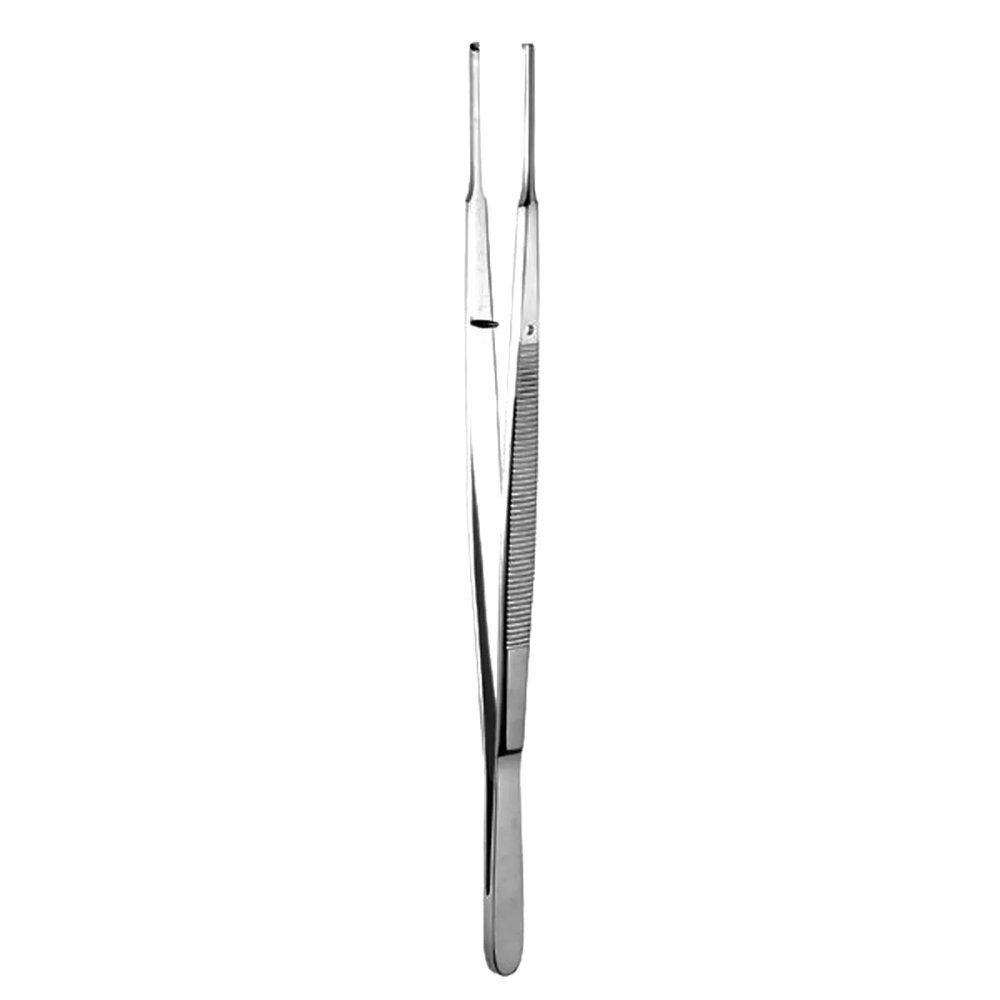
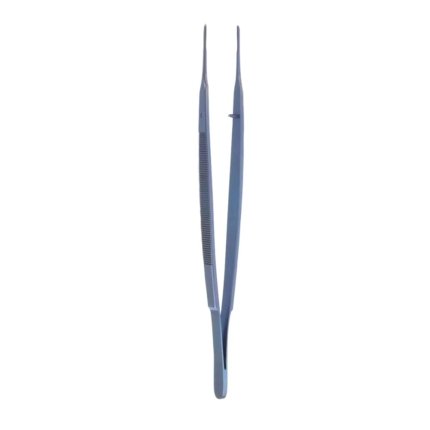
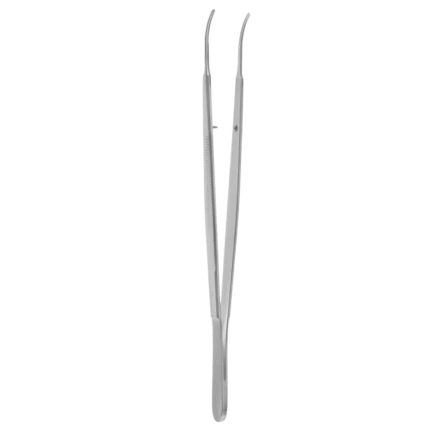
The Neurosurgery Surgical 7” Gerald Tissue Forceps 1×2 Teeth is a premium microsurgical instrument engineered to provide superior precision, secure tissue control, and reliable performance during advanced neurosurgical procedures. Designed with the renowned Gerald pattern, these forceps feature finely crafted 1×2 toothed tips that allow surgeons to grasp and manipulate delicate tissues with confidence while minimizing tissue trauma. This instrument is an essential component of modern neurosurgical instrument sets and is trusted by healthcare professionals worldwide for its exceptional craftsmanship and dependable performance.
Neurosurgical procedures require meticulous handling of fragile anatomical structures where precision is critical. The precision-engineered 1×2 toothed tip configuration offers a secure interlocking grip that minimizes tissue slippage without requiring excessive pressure. This design enables surgeons to handle fascia, dura mater, connective tissue, vessel adventitia, and other delicate structures safely while preserving tissue integrity. The toothed tips also improve tissue stabilization during dissection, suturing, and microsurgical reconstruction.
The 7-inch overall length provides an ideal balance between reach and maneuverability, making the forceps highly effective for both superficial and moderately deep operative fields. Its compact design allows smooth instrument handling and exceptional control under operating microscopes and magnification systems, making it particularly suitable for cranial surgery, spinal procedures, skull base surgery, and minimally invasive neurosurgical techniques.
Manufactured from premium surgical-grade stainless steel, the Neurosurgery Surgical 7” Gerald Tissue Forceps 1×2 Teeth delivers outstanding corrosion resistance, strength, and long-term durability. Precision manufacturing ensures perfect tip alignment and consistent gripping performance throughout years of repeated clinical use. The satin matte finish minimizes glare from surgical lighting and microscope illumination, helping maintain optimal visibility during intricate procedures.
The ergonomically balanced Gerald handle enhances surgeon comfort by providing excellent tactile feedback and precise instrument control. Its lightweight construction reduces hand fatigue during prolonged operations while allowing surgeons to perform delicate movements with maximum confidence and stability. This ergonomic design contributes to improved surgical efficiency and greater procedural accuracy.
These versatile tissue forceps are routinely used during brain tumor resections, aneurysm repair, spinal decompression, cervical and lumbar spine surgery, skull base procedures, peripheral nerve repair, microvascular reconstruction, and minimally invasive neurosurgery. The instrument is equally valuable in orthopedic spine surgery, plastic and reconstructive microsurgery, ENT surgery, vascular surgery, and other specialties where delicate tissue manipulation is essential.
The Neurosurgery Surgical 7” Gerald Tissue Forceps 1×2 Teeth is fully compatible with standard hospital sterilization protocols, including steam autoclaving. Its reusable construction provides long-term value while maintaining precision, structural integrity, and dependable clinical performance through repeated sterilization cycles.
Designed for hospitals, neurosurgical centers, ambulatory surgical facilities, and teaching institutions, this instrument reflects the highest standards of surgical engineering. Its combination of precision toothed tips, ergonomic handling, premium stainless steel construction, and exceptional durability makes it an indispensable tool for modern microsurgical practice.
Key Features
- Precision 1×2 toothed tips for secure tissue grasping
- Compact 7-inch length for optimal control and maneuverability
- Gerald microsurgical pattern for enhanced precision
- Designed for neurosurgery, spinal surgery, and microsurgical procedures
- Secure grip minimizes tissue slippage during delicate operations
- Excellent tactile feedback for precise tissue manipulation
- Lightweight ergonomic handle reduces surgeon fatigue
- Precision-aligned tips ensure consistent performance
- Premium surgical-grade stainless steel construction
- Satin matte finish minimizes glare under operating lights
- Fully reusable and autoclavable
- Corrosion-resistant for long-lasting clinical performance
Product Specifications
| Specification | Details |
|---|---|
| Product Name | Neurosurgery Surgical 7” Gerald Tissue Forceps 1×2 Teeth |
| Specialty | Neurosurgery |
| Instrument Type | Tissue Forceps |
| Overall Length | 7 Inches |
| Tip Configuration | 1×2 Teeth |
| Pattern | Gerald |
| Material | Premium Surgical Grade Stainless Steel |
| Finish | Satin / Matte Finish |
| Handle Type | Gerald Handle |
| Sterility | Supplied Non-Sterile |
| Reusable | Yes |
| Sterilization | Steam Autoclave Compatible |
| Corrosion Resistant | Yes |
| Latex Free | Yes |
| Clinical Applications | Neurosurgery, Spine Surgery, Cranial Surgery, Skull Base Surgery, Microvascular Surgery, Peripheral Nerve Surgery, Orthopedic Spine Surgery, ENT Surgery |
FAQs
1. What is the Neurosurgery Surgical 7” Gerald Tissue Forceps 1×2 Teeth used for?
It is designed for securely grasping and manipulating delicate tissues during neurosurgical, spinal, and microsurgical procedures.
2. What advantages do the 1×2 toothed tips provide?
The 1×2 toothed tips provide a firm, stable grip that minimizes tissue slippage while reducing the amount of pressure required, helping preserve delicate tissue integrity.
3. Why is the 7-inch length beneficial?
The 7-inch length offers an excellent balance of precision, control, and maneuverability, making it ideal for both open and minimally invasive neurosurgical procedures.
4. Is this instrument reusable?
Yes. It is manufactured from premium surgical-grade stainless steel and is fully reusable after standard steam autoclave sterilization.
5. Which surgical specialties commonly use these forceps?
These forceps are widely used in neurosurgery, orthopedic spine surgery, skull base surgery, peripheral nerve surgery, microvascular surgery, ENT surgery, vascular surgery, plastic and reconstructive surgery, and other microsurgical specialties requiring precise tissue handling.



Reviews
There are no reviews yet.