
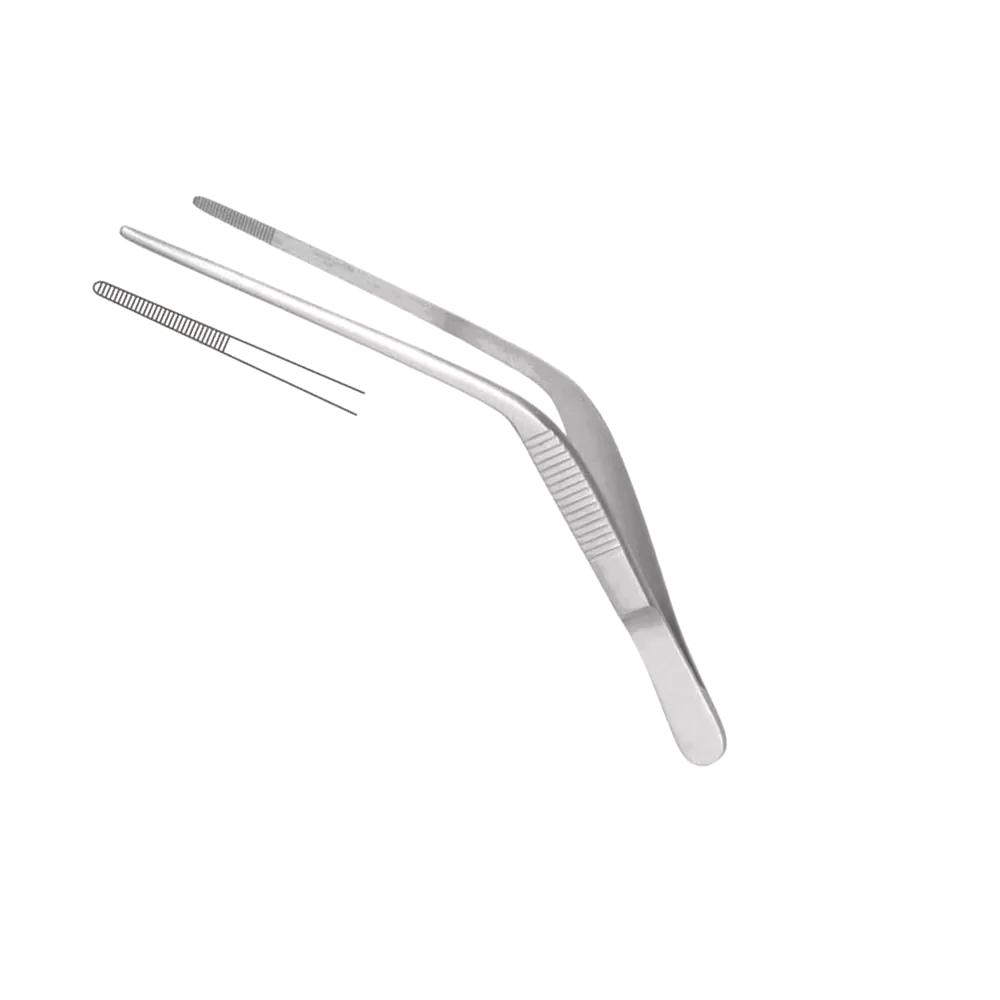

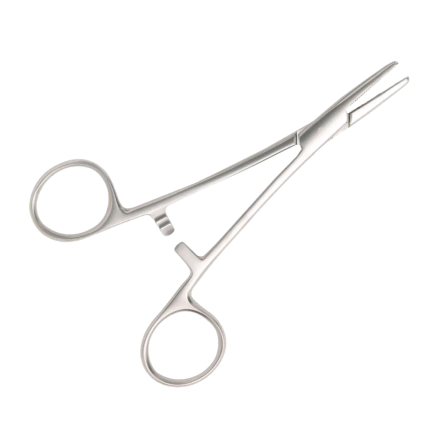
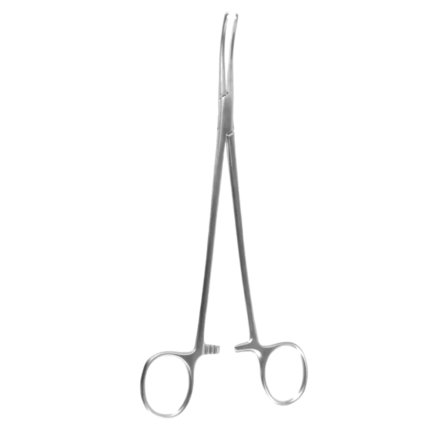
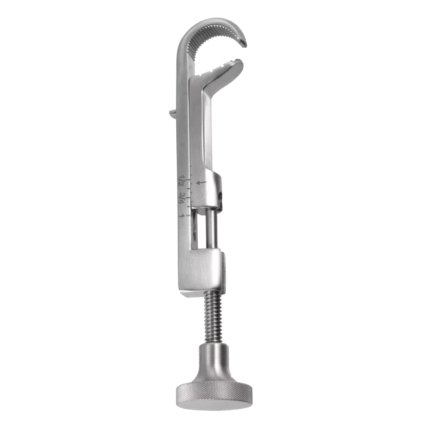
The Wilde Bayonet Forceps Angled Serrated 11.4 cm General Surgery Instrument is a high-quality surgical instrument specifically designed to provide superior access and precision in narrow or deep operative fields. The bayonet-shaped profile keeps the surgeon’s hand away from the line of sight, improving visibility while allowing accurate manipulation of delicate tissues, dressings, packing materials, and other surgical items.
Manufactured from premium surgical-grade stainless steel, the forceps offer exceptional durability, strength, and corrosion resistance. The finely serrated angled tips provide a secure, non-slip grip, enabling precise handling while minimizing the risk of damaging delicate tissues or surgical materials.
With an overall length of 11.4 cm, the instrument provides excellent balance, maneuverability, and control during delicate procedures. The bayonet configuration is especially beneficial in procedures where unobstructed visualization is essential, such as ENT, otologic, nasal, microsurgical, and general surgical applications.
The ergonomic spring-handle design delivers smooth and responsive operation while reducing hand fatigue during prolonged procedures. The polished finish enhances resistance to staining and corrosion and simplifies cleaning and maintenance. Designed for repeated professional use, the Wilde Bayonet Forceps maintain their alignment and precision through frequent autoclave sterilization cycles.
Combining precision engineering, ergonomic handling, and durable stainless steel construction, the Wilde Bayonet Forceps Angled Serrated 11.4 cm is an essential instrument for surgeons and healthcare professionals requiring accurate tissue handling and optimal visibility.
Key Features
- Premium surgical-grade stainless steel construction
- Bayonet-shaped design for improved surgical visibility
- Angled serrated tips for secure tissue and dressing handling
- Overall length of 11.4 cm
- Precision-aligned jaws for accurate grasping
- Ergonomic spring handle for comfortable operation
- Lightweight and well-balanced design
- Smooth polished finish for easy cleaning
- Corrosion and stain resistant
- Fully autoclavable and reusable
- Durable construction for long-term professional use
- Suitable for general surgery, ENT, otology, and microsurgical procedures
Product Specifications
| Specification | Details |
|---|---|
| Product Name | Wilde Bayonet Forceps Angled Serrated 11.4 cm |
| Category | General Surgery Instrument |
| Instrument Type | Bayonet Forceps |
| Overall Length | 11.4 cm |
| Tip Style | Angled |
| Tip Surface | Serrated |
| Handle Type | Spring Handle |
| Material | Premium Surgical Grade Stainless Steel |
| Finish | Satin/Polished Finish |
| Reusable | Yes |
| Sterility | Non-Sterile (Autoclavable Before Use) |
| Autoclavable | Yes |
| Corrosion Resistant | Yes |
| Latex Free | Yes |
| Applications | General Surgery, ENT Surgery, Otology, Nasal Procedures, Microsurgery, Dressing Handling |
| Cleaning Method | Manual and Ultrasonic Cleaning Compatible |
FAQs
1. What are Wilde Bayonet Forceps used for?
They are used for grasping delicate tissues, dressings, and surgical materials during general surgery, ENT, otologic, and microsurgical procedures.
2. What is the advantage of the bayonet design?
The bayonet design keeps the surgeon’s hand out of the line of sight, providing improved visibility and easier access to deep or confined surgical areas.
3. What is the benefit of the serrated angled tips?
The serrated angled tips provide a secure grip on tissues and dressings while allowing precise handling with reduced slippage.
4. What is the overall length of the instrument?
The Wilde Bayonet Forceps measure 11.4 cm in overall length.
5. What material are the forceps made from?
They are manufactured from premium surgical-grade stainless steel for durability, corrosion resistance, and long-lasting performance.
6. Can the forceps be autoclaved?
Yes. They are fully autoclavable and compatible with standard steam sterilization procedures.
7. In which medical specialties are these forceps commonly used?
They are commonly used in general surgery, ENT surgery, otology, nasal procedures, microsurgery, and other procedures requiring precise handling in restricted surgical fields.

Reviews
There are no reviews yet.