
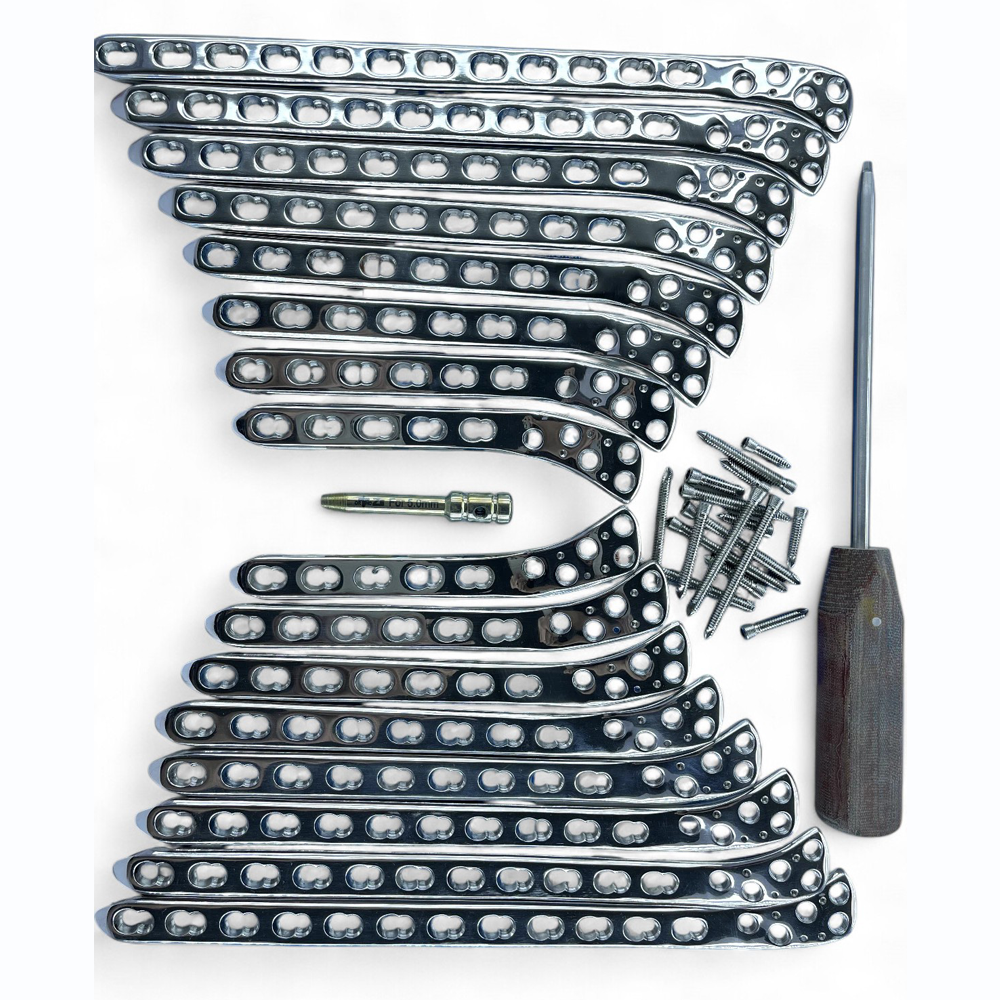
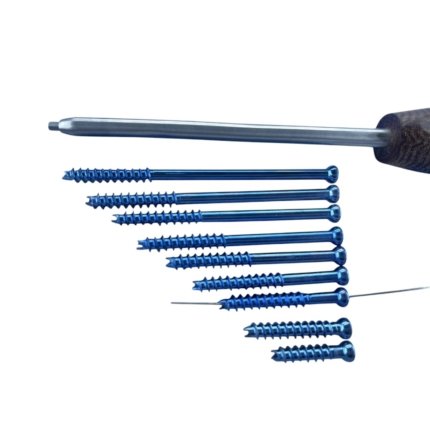
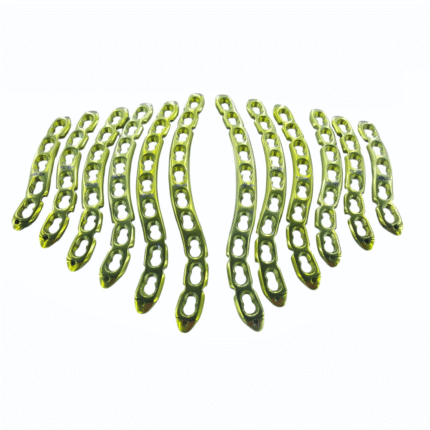
The Proximal Lateral Tibial LCP Plate (4 to 12 Hole) L&R with 5mm Screws – Stainless Steel 316L is an orthopedic trauma fixation system designed for stabilization of fractures involving the proximal tibia and lateral tibial plateau. Locking compression plate technology combines anatomical plate contouring with locking screw fixation, allowing surgeons to construct a stable internal fixation system appropriate for selected complex proximal tibial injuries. AO references describe proximal lateral tibial LCP systems for proximal shaft, metaphyseal, intra-articular, and other proximal tibial fracture patterns.
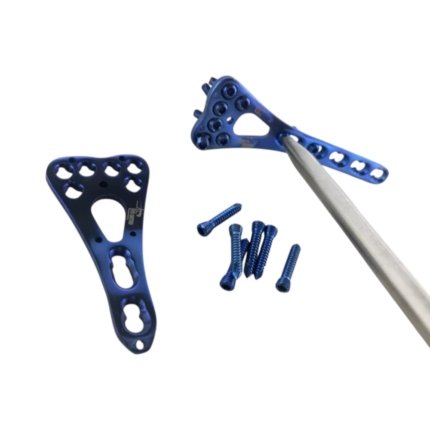
The plate is anatomically contoured to follow the lateral profile of the proximal tibia. This pre-contoured design can facilitate positioning during surgery and reduce the need for extensive intraoperative plate shaping. Anatomical left and right configurations allow the surgeon to select the plate orientation corresponding to the affected limb and fracture pattern.
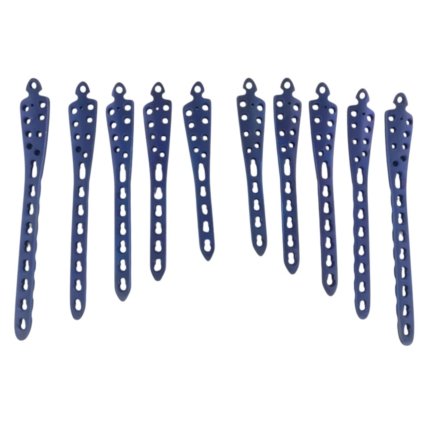
This product is specified with 4 through 12 hole options, providing different plate lengths for varying fracture configurations and fixation requirements. Longer plates may provide additional fixation points when greater longitudinal coverage is needed, while shorter configurations may be selected when a more limited fixation construct is appropriate. The exact plate selection should be based on patient anatomy, fracture morphology, bone quality, and the surgeon’s treatment plan.
The system is specified with 5 mm screws. Locking screw fixation creates a fixed-angle relationship between the screw and plate, helping maintain the intended construct geometry. Depending on the specific plate design, LCP systems can combine locking fixation with compression capabilities through combination holes. AO describes proximal lateral tibial LCP technology as combining locking capability with axial compression throughout the plate shaft.
The implant is manufactured from Stainless Steel 316L, a material widely used for orthopedic implant applications because of its mechanical properties and corrosion resistance. Current product references for proximal lateral tibial plates identify 316L stainless steel as an available implant material.
The proximal lateral tibial LCP design is particularly relevant to orthopedic trauma procedures involving proximal tibial fractures, lateral plateau injuries, metaphyseal fractures, and selected complex fracture patterns. Depending on the specific implant system and approved indications, related proximal tibial LCP systems may also be used in corrective osteotomy, nonunion, malunion, or reconstructive procedures.
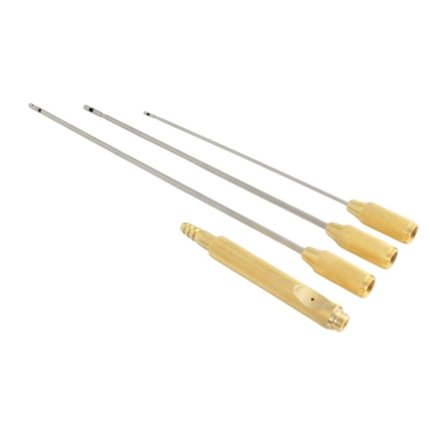
The plate can be used with appropriate orthopedic fixation instrumentation, including drill guides or sleeves, depth gauges, screwdrivers, plate-holding instruments, and other compatible LCP instrumentation. Exact instrumentation and screw compatibility must be confirmed with the manufacturer’s system documentation before surgery.
The supplied product title does not specify individual screw lengths, total screw quantity, plate thickness, plate width, overall plate lengths, or exact hole geometry. These details should not be assumed from the product title and should be verified against the manufacturer’s current catalog or implant documentation.
As an orthopedic implant, this product is intended for single-use implantation and should not be reused or reprocessed unless specifically permitted by applicable regulatory requirements and manufacturer labeling. Sterility status should also be confirmed before use. If supplied non-sterile, sterilization must be performed according to the manufacturer’s validated instructions.
For orthopedic surgeons and trauma centers requiring anatomical fixation of proximal tibial injuries, the Proximal Lateral Tibial LCP Plate provides multiple plate-length choices, left and right configurations, locking fixation, and durable Stainless Steel 316L construction. Its anatomical profile and 5 mm locking screw compatibility make it a specialized option for modern proximal tibial fracture fixation.
Key Features
- Anatomically contoured proximal lateral tibial LCP plate
- Available in Left and Right configurations
- Plate options from 4 to 12 holes
- Compatible with 5 mm locking screws
- Manufactured from Stainless Steel 316L
- Locking compression plate technology
- Supports fixed-angle screw fixation
- Designed for proximal tibial fracture fixation
- Suitable for selected tibial plateau and metaphyseal fractures
- Multiple plate lengths accommodate different fracture patterns
- Designed for professional orthopedic trauma procedures
Product Specifications
| Specification | Details |
|---|---|
| Product Name | Proximal Lateral Tibial LCP Plate |
| Configuration | Left & Right |
| Plate Hole Options | 4, 5, 6, 7, 8, 9, 10, 11 & 12 Holes |
| Screw Diameter | 5 mm |
| Screw Type | Locking Screw |
| Plate Technology | Locking Compression Plate (LCP) |
| Material | Stainless Steel 316L |
| Anatomical Location | Proximal Lateral Tibia |
| Primary Application | Internal Fracture Fixation |
| Common Applications | Proximal Tibia / Tibial Plateau Fractures |
| Implant Type | Orthopedic Fixation Plate |
| Reusability | Single-use implant |
| Screw Lengths | Confirm manufacturer specification |
| Plate Dimensions | Confirm manufacturer specification |
| Sterility | Confirm manufacturer packaging specification |
| Sterilization | Follow manufacturer’s validated IFU |
| Intended Users | Qualified Orthopedic Surgeons |
FAQs
What is a Proximal Lateral Tibial LCP Plate used for?
It is designed for internal fixation of selected proximal tibial fractures, including lateral tibial plateau, metaphyseal, and other appropriate proximal tibial fracture patterns.
What plate sizes are available?
This product is specified in 4-hole through 12-hole configurations and is available for both left and right sides.
What size screws are used with this tibial LCP plate?
The product is specified with 5 mm locking screws. Exact screw lengths and compatibility should be confirmed with the manufacturer’s implant system.
What material is the plate made from?
The product is specified as Stainless Steel 316L. Proximal lateral tibial locking plates are also manufactured in other implant materials, so material should always be confirmed for the specific product.
What is the advantage of an LCP locking plate?
LCP technology allows locking screws to create a fixed-angle relationship with the plate and can also provide compression options where the plate incorporates combination holes.
Is the proximal lateral tibial plate available for both sides?
Yes. The product is specified in Left and Right configurations, allowing selection according to the affected limb.
Can this plate be used for tibial plateau fractures?
Proximal lateral tibial LCP systems are designed for appropriate proximal tibial and tibial plateau fracture patterns, including selected lateral and intra-articular injuries. Clinical suitability must be determined by the orthopedic surgeon.
Are orthopedic LCP plates reusable?
No. Implant plates and screws are generally intended for single-use implantation. Follow the manufacturer’s labeling and applicable regulatory requirements.
How should the implant be sterilized?
Sterility and sterilization requirements depend on the manufacturer’s supplied configuration. If the implant is supplied non-sterile, it should be sterilized using the manufacturer’s validated instructions before implantation.



Reviews
There are no reviews yet.