
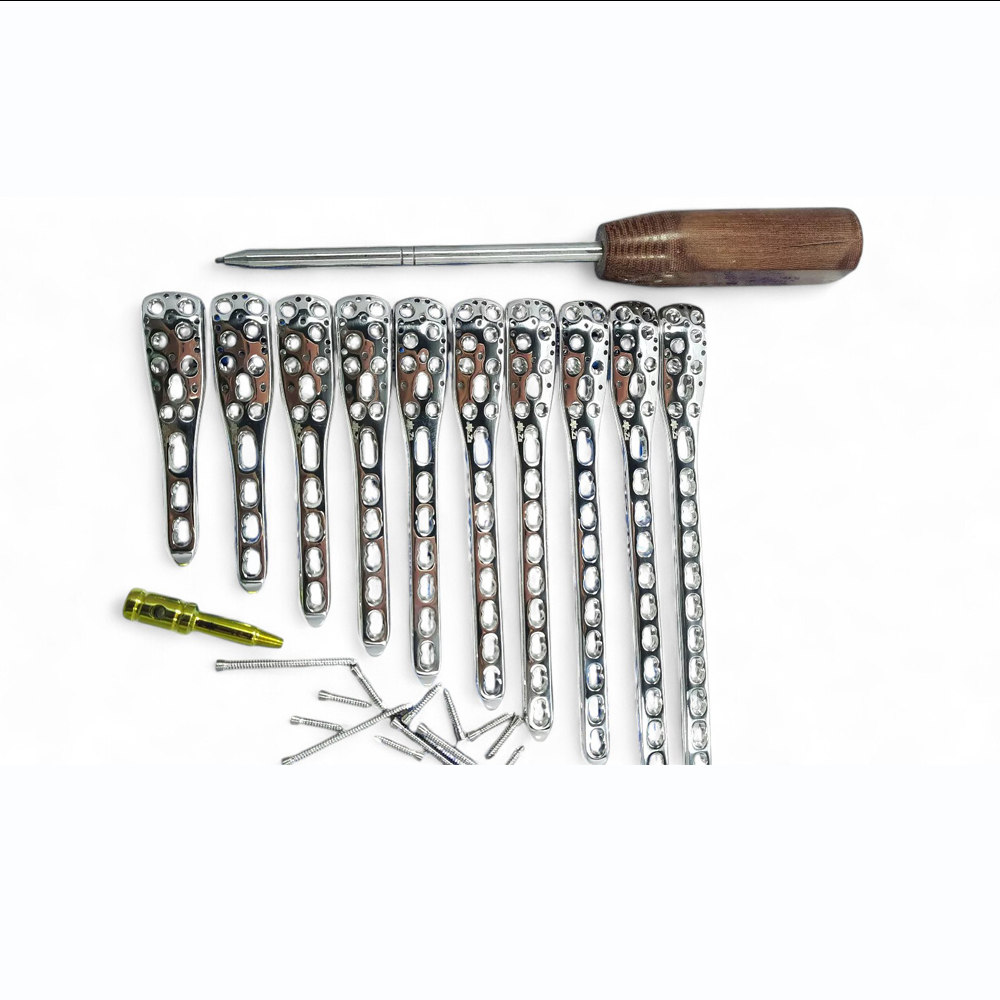
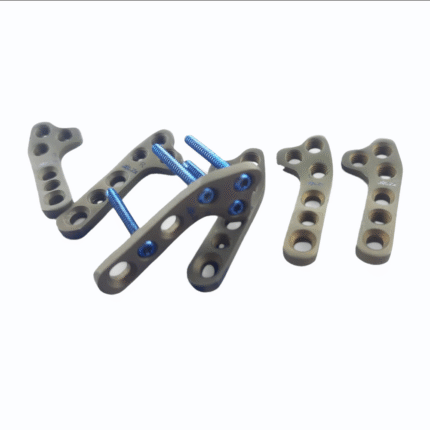
The PHILOS Proximal Humeral Locking Plate SS 316L is a comprehensive orthopedic trauma fixation system designed for surgical stabilization of appropriately selected fractures involving the proximal humerus. The system combines proximal humeral multi-angle locking plates with compatible LCP screws, providing multiple plate lengths and fixation options to accommodate different fracture patterns, anatomical requirements, and surgical strategies.
The proximal humerus forms the upper portion of the arm and is an important component of the shoulder joint. Fractures in this region can vary considerably in morphology and complexity, requiring careful implant selection and fixation planning. A purpose-designed proximal humeral locking plate provides a stable platform for fracture fixation while allowing the surgeon to position fixation elements according to the specific anatomy and fracture configuration.
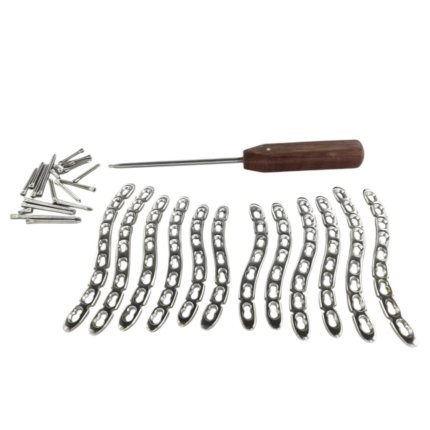
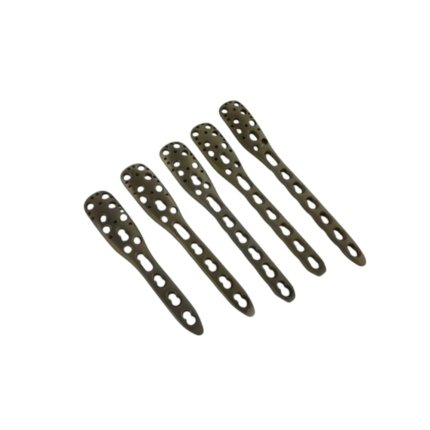
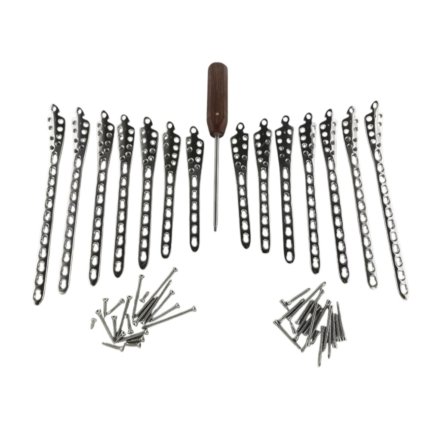
This system includes plate configurations ranging from 3 to 12 holes, providing a broad selection of plate lengths and fixation capacities. Shorter configurations may be appropriate for selected fracture patterns requiring a more limited fixation span, while longer plates can provide additional fixation coverage when clinically indicated. The appropriate plate configuration should be selected according to preoperative imaging, fracture morphology, bone quality, patient anatomy, and the surgeon’s chosen operative technique.
The multi-angle locking design provides flexibility in the orientation of compatible locking screws within the plate system. This feature can allow the surgeon to optimize screw trajectory according to fracture fragments and available bone stock, subject to the specific design and angular range of the implant. Multi-angle fixation may be particularly useful in complex proximal humeral fracture patterns where controlled screw positioning is important.
The system is manufactured from SS 316L stainless steel, a surgical-grade stainless steel commonly used in orthopedic implant applications. 316L stainless steel offers corrosion resistance and mechanical properties suitable for appropriately designed orthopedic fixation devices. Its established use in medical implants makes it a recognized material for fracture fixation systems when manufactured and processed according to applicable medical-device standards.
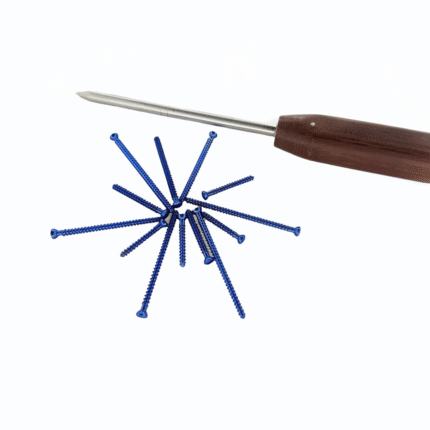
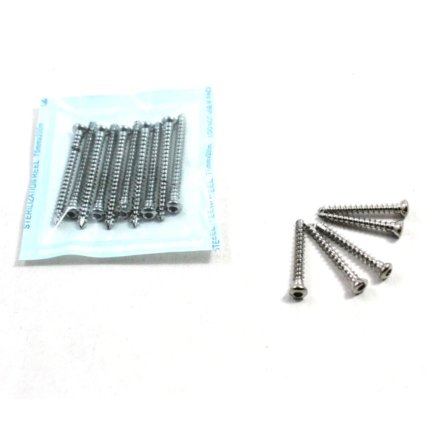
The included LCP screws are designed to work with compatible locking compression plate holes. Locking screw fixation creates a mechanically stable connection between the screw and plate, allowing the construct to function as a fixed-angle assembly. This can be useful in fracture fixation where angular stability is desired, including selected periarticular and osteoporotic fracture applications. The specific screw type, length, trajectory, and fixation strategy should always be determined by the treating orthopedic surgeon.
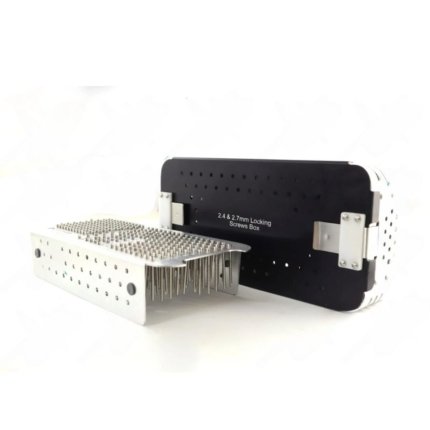
The 97-piece configuration provides a broad implant selection for professional orthopedic trauma environments. Multiple proximal humeral plate lengths combined with compatible LCP screws can support a range of surgical cases and reduce the need to rely on a single plate configuration. The system may be suitable for hospitals, orthopedic trauma centers, surgical facilities, and authorized medical-device distributors maintaining proximal humeral fixation inventory.
Proper handling and processing of orthopedic implants are essential. The SS 316L plates and LCP screws should be stored, inspected, handled, and implanted according to the manufacturer’s instructions for use and applicable medical-device regulations. Implant components designated for single use should not be reused. Reusable surgical instruments used during plate fixation should undergo validated cleaning, inspection, packaging, and sterilization according to the manufacturer’s instructions and healthcare-facility protocols.
The Proximal Humeral Multi-Angle (PHILOS) Locking Plate provides a versatile fixation platform for appropriately selected proximal humeral fractures. With 3–12-hole plate options, multi-angle locking capability, compatible LCP screws, and SS 316L construction, the system is designed for professional orthopedic trauma applications where stable proximal humeral fixation is clinically indicated.
Key Features
- Proximal humeral multi-angle locking plate system
- Plate configurations available from 3 to 12 holes
- Designed for appropriate proximal humerus fracture fixation
- Includes compatible LCP locking screws
- Comprehensive 97-piece orthopedic fixation set
- Manufactured from SS 316L surgical stainless steel
- Multi-angle screw positioning supports fixation flexibility
- Multiple plate lengths accommodate different fracture patterns and fixation spans
- Locking plate technology provides angularly stable screw-plate fixation
- Suitable for professional shoulder and upper-extremity orthopedic trauma procedures
- SS 316L provides corrosion resistance and established orthopedic implant performance
- Intended for use by qualified orthopedic surgeons according to appropriate surgical technique
Product Specifications
| Specification | Details |
|---|---|
| Product Name | Proximal Humeral Multi-Angle Locking Plate |
| Common Designation | PHILOS-Type Proximal Humeral Plate |
| Anatomical Region | Proximal Humerus |
| Plate Type | Multi-Angle Locking Plate |
| Hole Configurations | 3–12 Holes |
| Screw Type | LCP Screws |
| Material | SS 316L Stainless Steel |
| Total Set Quantity | 97 pcs |
| Fixation Technology | Locking Screw Fixation |
| Primary Application | Proximal Humerus Fracture Fixation |
| Surgical Region | Shoulder / Upper Extremity |
| Product Category | Orthopedic Trauma Implants |
| Intended Users | Qualified Orthopedic Surgeons |
| Primary Purpose | Surgical Fracture Stabilization |
FAQs
1. What is a Proximal Humeral PHILOS Locking Plate used for?
A Proximal Humeral PHILOS Locking Plate is an orthopedic fixation implant designed for stabilization of appropriately selected fractures of the proximal humerus. Its anatomical plate design and locking fixation features provide a platform for securing fracture fragments during surgical fixation.
2. What plate sizes are included in this proximal humerus locking plate system?
The system includes plate configurations ranging from 3 to 12 holes, providing multiple lengths and fixation capacities for different fracture patterns and anatomical requirements.
3. What does multi-angle locking mean in a proximal humeral plate?
A multi-angle locking plate allows compatible locking screws to be positioned at different trajectories within the permitted angular range of the plate’s locking holes. This can provide the surgeon with greater flexibility when targeting specific bone fragments or available bone stock.
4. What type of screws are included with the PHILOS plate?
The product is specified with compatible LCP screws, designed to work with the locking compression plate system and provide a mechanically stable screw-to-plate connection.
5. What material is this proximal humeral plate made from?
The plate is manufactured from SS 316L stainless steel, a corrosion-resistant surgical material widely used in orthopedic fixation and implant applications.
6. How many pieces are included in the PHILOS locking plate set?
The product is specified as a 97-piece set, consisting of the available proximal humeral locking plate configurations and compatible LCP fixation screws.
7. What does LCP stand for in orthopedic implants?
LCP stands for Locking Compression Plate. LCP technology combines locking screw fixation with plate-based fracture stabilization, allowing the surgeon to select an appropriate fixation strategy according to the fracture and patient-specific requirements.
8. Can this plate be used for every proximal humerus fracture?
No. Implant selection depends on the fracture pattern, bone quality, patient anatomy, imaging findings, associated injuries, and surgical objectives. A qualified orthopedic surgeon should determine whether this plate system is appropriate for a specific patient.
Reviews
There are no reviews yet.