
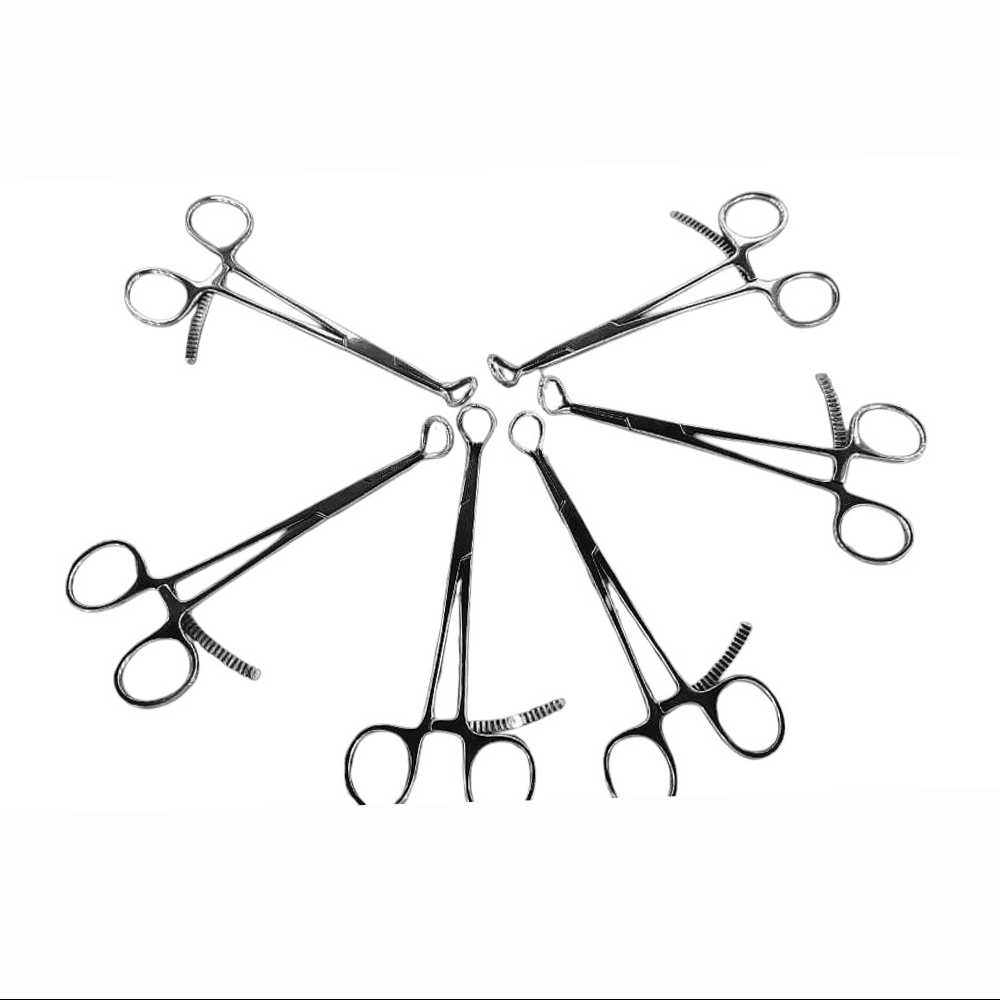

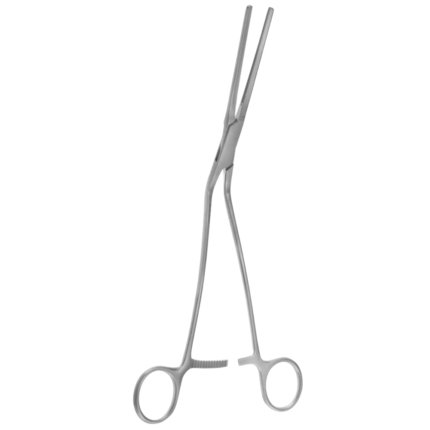
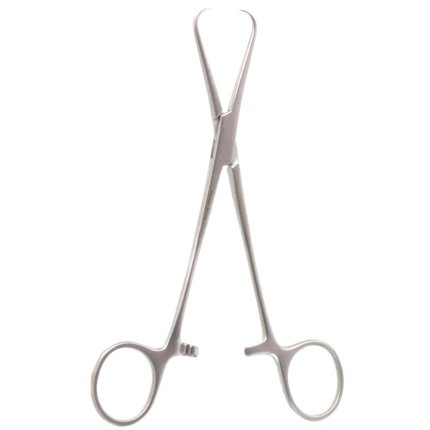
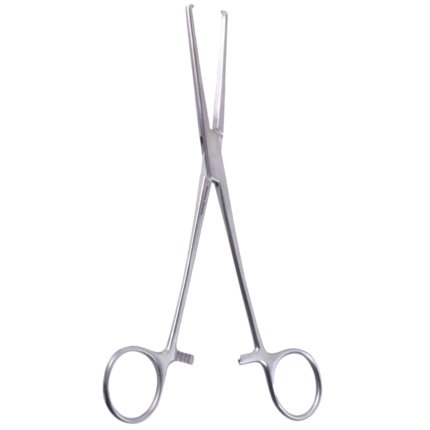
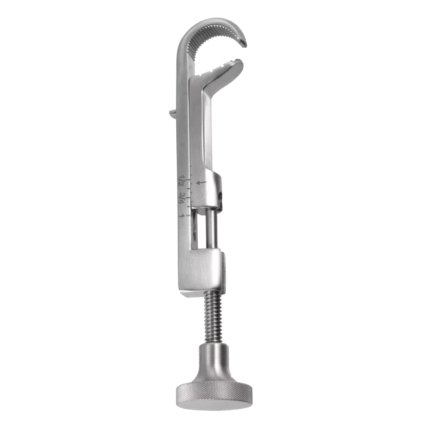
The Bone Reduction Forceps Pointed Serrated Ratchet 6 Pcs is a professional orthopedic surgical instrument set designed to assist surgeons with controlled manipulation, approximation, and temporary stabilization of small bone fragments during fracture reduction. The set contains six bone reduction forceps featuring pointed and serrated working jaws with a ratchet locking mechanism.
Bone reduction forceps are important instruments in orthopedic trauma surgery because accurate reduction of fracture fragments is a fundamental step in many fixation procedures. By providing controlled mechanical grasping of bone, reduction forceps can assist the surgeon in bringing fragments into an intended position before definitive fixation with plates, screws, pins, wires, or other orthopedic implants.
The pointed jaw configuration is designed to provide a focused contact point on the bone. This can help the surgeon obtain controlled purchase on appropriate bone surfaces during reduction. The serrated working surfaces can further assist with maintaining grip when the forceps are properly positioned. Because pointed jaws can exert concentrated pressure, they should be applied carefully and only to suitable areas of bone to minimize unnecessary tissue or bone damage.
The integrated ratchet lock allows the forceps to maintain a selected degree of closure after the handles are engaged. This can provide the surgical team with a stable grasp while the surgeon performs additional reduction or fixation steps. The locking mechanism should be released and adjusted according to the surgical technique rather than being used to apply excessive compression to fragile bone.
The small-bone configuration makes these forceps particularly relevant to orthopedic procedures involving smaller anatomical structures. Depending on the specific forceps design and dimensions, such instruments may be useful in selected procedures involving the hand, wrist, foot, ankle, or other small-bone applications. The product title does not specify exact anatomical indications, so compatibility with a particular procedure should be determined from the instrument dimensions and the surgeon’s clinical requirements.
The six-piece set provides multiple instruments for operating-room use. Having several reduction forceps available can be useful when a procedure requires simultaneous manipulation of multiple fragments or when different forceps configurations are required during fracture reduction. The exact dimensions of each of the six instruments should be confirmed against the supplier’s current product specification.
A professional bone reduction forceps should provide reliable mechanical operation and controlled jaw alignment. The handles and ratchet should operate smoothly, while the pointed serrated jaws should meet appropriately when closed. Proper instrument alignment is important for controlled handling and helps reduce the possibility of uneven loading during reduction.
Reusable orthopedic forceps are commonly manufactured from surgical-grade stainless steel or other suitable surgical instrument materials. Stainless steel is valued for mechanical strength, corrosion resistance, durability, and compatibility with validated cleaning and sterilization processes. The exact alloy for this product should be confirmed from the manufacturer’s technical documentation rather than assumed solely from the product category.
Before each procedure, the forceps should be inspected for jaw deformation, damaged serrations, corrosion, loose joints, or malfunctioning ratchet teeth. The jaws should align correctly, and the locking mechanism should engage and release smoothly. Instruments showing excessive wear or mechanical defects should be removed from clinical service.
Following use, the forceps should be cleaned according to a validated surgical-instrument reprocessing procedure. Particular attention should be given to the serrated jaws, joint, and ratchet mechanism because biological material can accumulate in these areas. After cleaning and inspection, the instrument should be sterilized according to the manufacturer’s validated instructions and the healthcare facility’s infection-control requirements.
The Bone Reduction Forceps – Pointed/Serrated with Ratchet Lock – For Small Bones (6 Pcs) provides orthopedic surgical teams with a versatile set for controlled fracture reduction and bone manipulation. Its pointed serrated jaws, locking mechanism, and six-piece configuration make it a practical addition to orthopedic trauma and small-bone fixation instrument inventories.
Key Features
- Professional bone reduction forceps set
- Six-piece configuration
- Pointed working jaws for controlled bone purchase
- Serrated jaw surfaces for secure gripping
- Integrated ratchet locking mechanism
- Designed for small-bone orthopedic applications
- Supports fracture fragment manipulation and reduction
- Useful during preparation for plate, screw, pin, or wire fixation
- Provides controlled mechanical handling of bone fragments
- Durable surgical instrument construction
- Reusable where supplied as reusable instruments
- Requires appropriate cleaning, inspection, and sterilization
Product Specifications
| Specification | Details |
|---|---|
| Product Name | Bone Reduction Forceps – Pointed/Serrated with Ratchet Lock |
| Set Quantity | 6 Pieces |
| Instrument Type | Bone Reduction Forceps |
| Jaw Type | Pointed / Serrated |
| Locking Mechanism | Ratchet Lock |
| Primary Function | Bone Fragment Reduction and Manipulation |
| Intended Application | Small Bones |
| Surgical Specialty | Orthopedic / Trauma Surgery |
| Potential Use | Fracture Reduction and Temporary Stabilization |
| Material | Surgical Instrument-Grade Metal; verify manufacturer specification |
| Reusable | Where supplied as reusable instruments |
| Sterilization | According to validated manufacturer and facility protocols |
| Intended Users | Orthopedic and Trauma Surgeons |
| Clinical Environment | Hospitals, Trauma Centers, Surgical Centers |
FAQs
1. What are pointed bone reduction forceps used for?
Pointed bone reduction forceps are used to grasp and manipulate suitable bone fragments during fracture reduction. Their pointed jaws provide focused contact for controlled positioning.
2. What is the purpose of the serrated jaws?
Serrated jaws are designed to provide additional grip on suitable bone surfaces. They can help maintain controlled contact during manipulation and reduction.
3. What does the ratchet lock do?
The ratchet mechanism allows the forceps to remain in a selected closed position, helping maintain a controlled grip while the surgeon performs other steps of the procedure.
4. How many bone reduction forceps are included?
This product is specified as a 6-piece set. Exact dimensions and configurations should be confirmed from the supplier’s instrument list.
5. What does “for small bones” mean?
The designation indicates that the forceps are intended for smaller orthopedic applications compared with larger bone reduction instruments. Exact anatomical compatibility depends on the dimensions and jaw design of each instrument.
6. Can these forceps be used for fracture fixation?
They can assist with the reduction and temporary holding of fracture fragments before or during definitive fixation. The definitive fixation method is selected by the orthopedic surgeon.
7. Are pointed reduction forceps suitable for all bones?
No. Pointed reduction forceps should be selected according to the bone size, fragment geometry, instrument dimensions, and surgical technique. Excessive force should be avoided, particularly with small or fragile fragments.
8. Are these bone reduction forceps reusable?
Where supplied as reusable surgical instruments, they should be cleaned, inspected, and sterilized according to validated manufacturer instructions and healthcare-facility protocols.

Reviews
There are no reviews yet.