
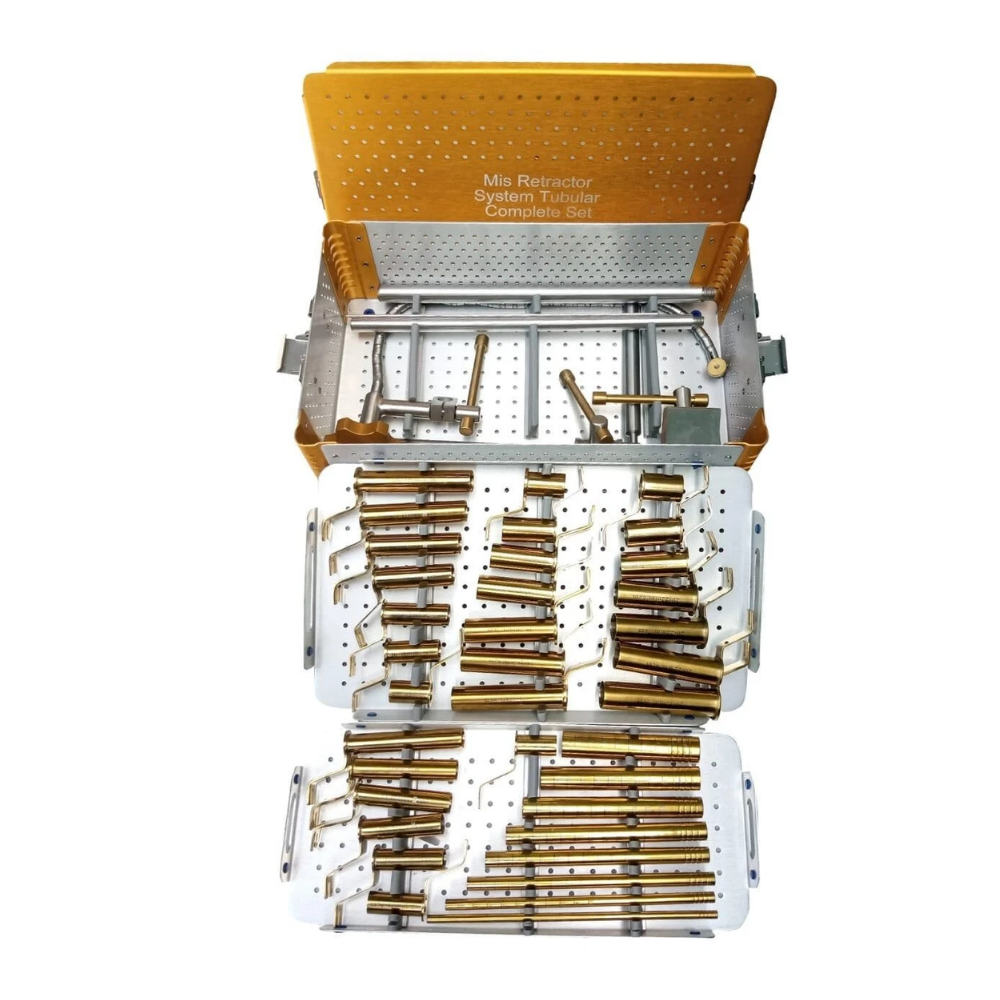
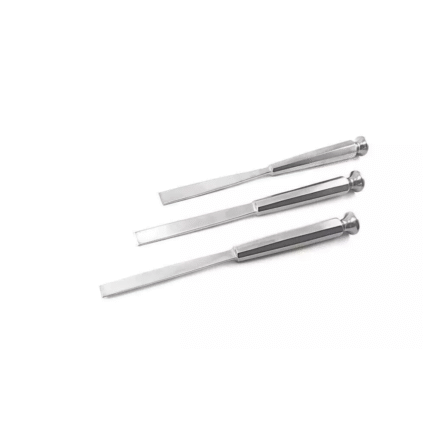

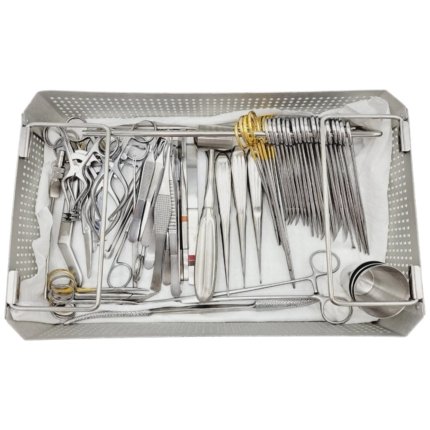
The Mis Retractor System Tubular Retractors With Sterilization Box Plasma is a comprehensive minimally invasive surgical retraction solution designed for professional orthopedic and spinal procedures requiring controlled access through a tubular working corridor. The system combines tubular retractors with a dedicated sterilization box, providing an organized platform for surgical handling, cleaning, sterilization, and storage of reusable components.
Minimally invasive surgery requires carefully designed instruments that can provide adequate access while limiting unnecessary disruption of surrounding tissues. A tubular retractor system creates a defined working channel between the skin incision and the operative target, allowing the surgeon to access the surgical site through a relatively focused corridor. The MIS Tubular Retractor System is intended to support this approach by maintaining a stable passage for visualization and instrument manipulation.
Tubular retractors can be used in selected minimally invasive spinal and orthopedic procedures where controlled soft-tissue retraction is required. The appropriate retractor diameter and length depend on the operative level, patient anatomy, target pathology, surgical approach, and surgeon preference. The final system configuration should always be selected according to the specific clinical application and the manufacturer’s available sizes.
The tubular design can assist with maintaining a defined surgical pathway while helping protect surrounding soft tissues from unnecessary displacement. During minimally invasive procedures, maintaining a stable working corridor can help the surgeon access the operative target while using compatible visualization and surgical instruments. Retraction should always be controlled and appropriate to the anatomy because excessive or prolonged pressure can potentially cause soft-tissue injury.
The system’s sterilization box provides an organized solution for storing and processing the tubular retractors and associated reusable components. A dedicated sterilization container can help keep instruments arranged and protected during handling and sterilization, while also facilitating inventory management between procedures. The exact sterilization compatibility and processing requirements must be confirmed according to the manufacturer’s instructions and the validated capabilities of the sterilization system used by the healthcare facility.
The product title identifies Plasma as part of the system specification. Plasma sterilization may refer to a low-temperature sterilization method used for suitable heat- and moisture-sensitive medical devices. However, not every instrument or sterilization container is automatically compatible with every plasma sterilization process. The specific sterilization method, cycle parameters, packaging requirements, and compatibility must therefore be confirmed from the manufacturer’s validated instructions for use before processing.
The MIS tubular retractor system can be particularly useful in minimally invasive spine surgery, including selected procedures where a tubular working channel is required for access to the spinal anatomy. Depending on the system configuration and approved indications, similar tubular retraction principles may also be applicable to other minimally invasive orthopedic procedures. The exact clinical application should be determined by a qualified surgeon according to the patient’s condition and the intended surgical approach.
Durability and reliable mechanical performance are important for reusable surgical retractors. Before each procedure, the tubular retractors should be inspected for deformation, cracks, surface damage, corrosion, sharp edges, or other defects that could affect performance. Any locking, attachment, or adjustment components should also be checked for correct operation before clinical use.
Following each procedure, the instruments should be cleaned promptly using the manufacturer’s validated cleaning process. Internal or difficult-to-access surfaces should receive appropriate attention to ensure removal of biological contamination. After cleaning, instruments should be inspected, assembled as specified, placed in the appropriate sterilization box, and processed using a validated sterilization method compatible with the complete system.
The MIS Retractor System Tubular Retractors With Sterilization Box Plasma provides an integrated solution for minimally invasive surgical access, reusable instrument organization, and sterilization management. Its tubular retraction design and dedicated sterilization box make it suitable for professional operating rooms, spine surgery departments, orthopedic trauma centers, hospitals, and surgical facilities where minimally invasive procedures are routinely performed.
Key Features
- MIS tubular retractor system for minimally invasive surgical access
- Designed to provide a controlled tubular working corridor
- Suitable for selected minimally invasive spine and orthopedic procedures
- Includes a dedicated sterilization box
- Supports organized storage and handling of reusable retractor components
- Tubular design facilitates controlled soft-tissue retraction
- Helps maintain operative exposure through a focused surgical pathway
- Suitable for professional minimally invasive spinal surgery applications
- Sterilization box supports instrument organization during validated processing
- Plasma sterilization compatibility should be confirmed according to manufacturer specifications
- Reusable components require validated cleaning, inspection, and sterilization procedures
- Intended for use by qualified surgical professionals
Product Specifications
| Specification | Details |
|---|---|
| Product Name | MIS Retractor System Tubular Retractors |
| System Type | Minimally Invasive Surgical Retractor System |
| Retractor Design | Tubular Retractors |
| Primary Function | Tissue Retraction / Surgical Access |
| Surgical Application | MIS Spine & Orthopedic Procedures |
| Sterilization Box | Included |
| Sterilization Reference | Plasma – Subject to Manufacturer Compatibility |
| Instrument Type | Reusable Surgical Instrument System |
| Primary Purpose | Creation of Controlled Working Corridor |
| Product Category | MIS Surgical Instruments |
| Intended Users | Qualified Surgeons / Surgical Professionals |
| Cleaning | According to Manufacturer’s IFU |
| Sterilization | Validated Method According to Manufacturer’s IFU |
| Storage | Dedicated Sterilization Box |
FAQs
1. What is an MIS Tubular Retractor System used for?
An MIS Tubular Retractor System is designed to provide a controlled working corridor during minimally invasive surgical procedures. It can help maintain soft-tissue retraction and access to the operative site through a tubular pathway.
2. Can tubular retractors be used in minimally invasive spine surgery?
Yes. Tubular retraction systems are commonly designed for selected minimally invasive spinal procedures, although the appropriate retractor size and configuration depend on the surgical level, anatomy, procedure, and manufacturer specifications.
3. What is included with this MIS retractor system?
The product title specifies tubular retractors with a sterilization box. The exact number, diameters, lengths, and accessories should be confirmed from the manufacturer’s product configuration.
4. What is the purpose of the sterilization box?
The sterilization box provides an organized container for handling, storing, and processing compatible reusable surgical components. It can help protect instruments and maintain organized inventory during sterilization and storage.
5. Is this MIS retractor system compatible with plasma sterilization?
The product specification references Plasma, but actual plasma sterilization compatibility must be verified against the manufacturer’s validated instructions. The complete system, including the sterilization box and any packaging components, must be compatible with the specific plasma sterilization process.
6. What are the benefits of tubular retraction in minimally invasive surgery?
Tubular retractors provide a defined working channel that can help maintain access to the operative site while limiting the area of soft-tissue retraction. Their use should always follow appropriate surgical technique and patient-specific anatomical considerations.





Reviews
There are no reviews yet.