
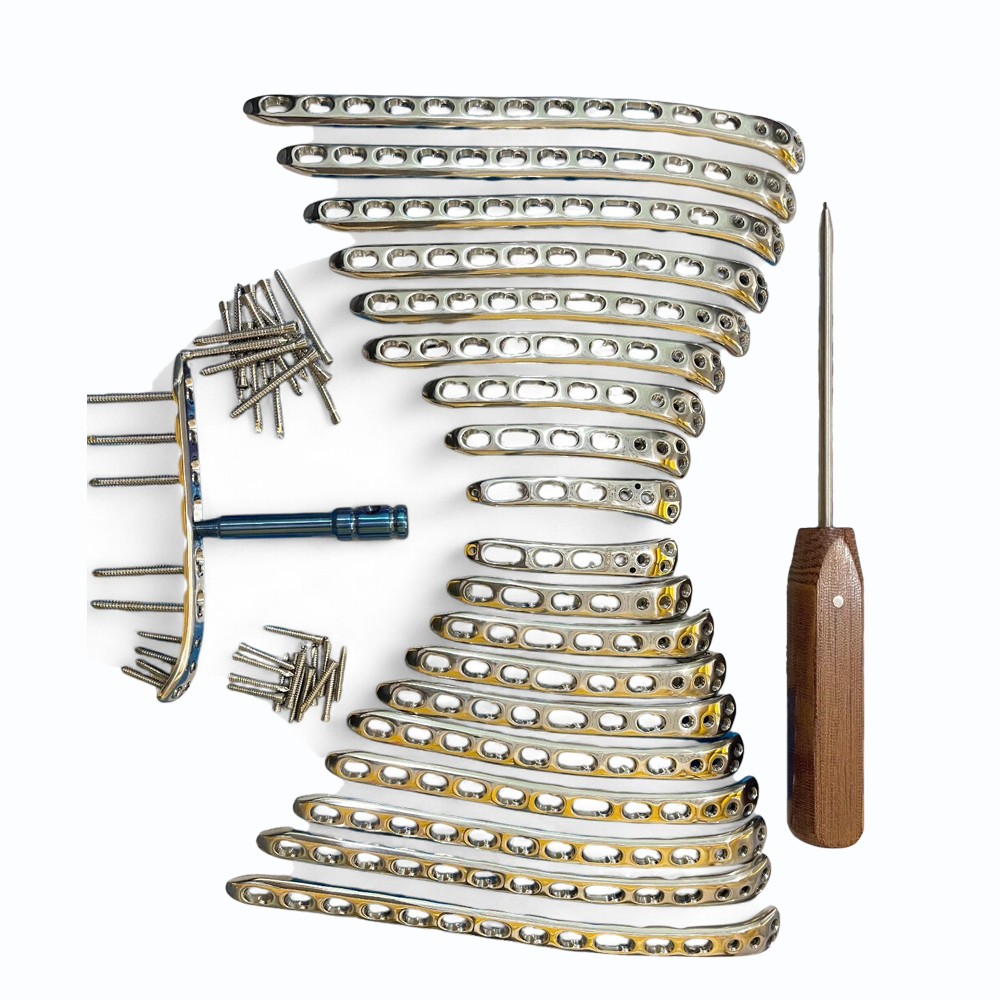

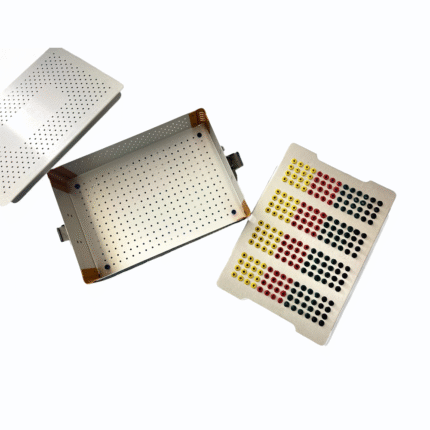
The Locking Distal Humerus Plates SS 316L with LCP Screws are orthopedic fixation implants designed to stabilize appropriately selected distal humerus fractures requiring operative treatment. The system provides left- and right-sided plate configurations with multiple hole options, allowing surgeons to select an appropriate fixation length according to fracture anatomy, fracture complexity, and available bone stock.
Distal humerus fractures can involve the supracondylar region, medial and lateral columns, articular surface, or combinations of these anatomical structures. Complex fracture patterns may include displacement, comminution, intra-articular extension, or instability. In appropriately selected cases requiring surgical fixation, a dedicated distal humerus locking plate can provide a stable fixation construct while supporting fixation of multiple fracture fragments.
The plates are available in left and right configurations, providing side-specific anatomical options for the corresponding distal humerus. Correct side selection and plate positioning are important for achieving appropriate alignment and maintaining the intended relationship between the implant and the bone.
The system includes 3 through 12-hole configurations, providing a broad range of plate lengths and fixation spans. Shorter plates can be used where limited fixation is appropriate, while longer plates provide additional fixation points along the humeral shaft and can be considered for more extensive fracture patterns. Plate length should be selected according to fracture morphology, anatomical location, bone quality, and the surgeon’s fixation strategy.
The plates are designed for use with compatible LCP screws. LCP, or Locking Compression Plate, technology uses threaded plate holes that engage compatible locking screw heads to establish an angular-stable relationship between the plate and screw. This can provide a stable fixation construct in appropriately selected fracture patterns. Screw diameter, length, trajectory, and locking compatibility must be confirmed according to the applicable implant system.
Distal humerus fixation presents particular anatomical challenges because the distal humerus has a complex three-dimensional structure and is located close to the elbow joint. Accurate reduction and implant positioning are therefore essential. Depending on the fracture pattern, fixation may require restoration of the medial and lateral columns and careful management of articular fragments.
Manufactured from SS 316L stainless steel, the plates provide material characteristics widely used in orthopedic implant applications. SS 316L is a low-carbon stainless steel known for corrosion resistance, durability, and suitability for many medical device applications. The exact implant grade, dimensions, mechanical properties, and surface characteristics should be verified through the manufacturer’s technical documentation.
The 112-piece selection provides multiple left- and right-sided distal humerus plate configurations with compatible LCP screws. This broad selection can support orthopedic trauma departments, hospitals, elbow surgery units, surgical centers, and medical implant suppliers that require different distal humerus fixation configurations.
These plates may be considered for selected distal humerus fractures, supracondylar fractures, distal humeral metaphyseal fractures, and certain complex or comminuted fracture patterns where locking plate fixation is clinically appropriate. The exact indication depends on fracture classification, articular involvement, bone quality, soft-tissue condition, patient anatomy, and surgeon assessment.
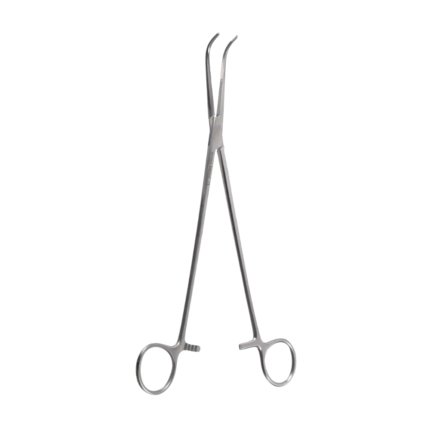
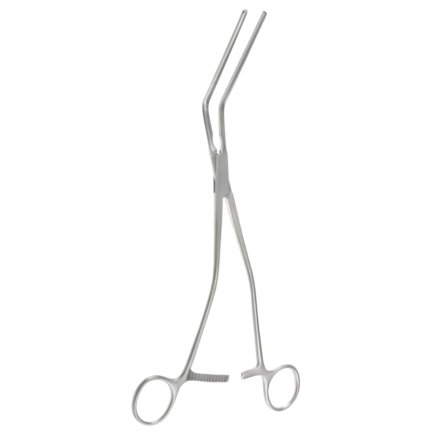
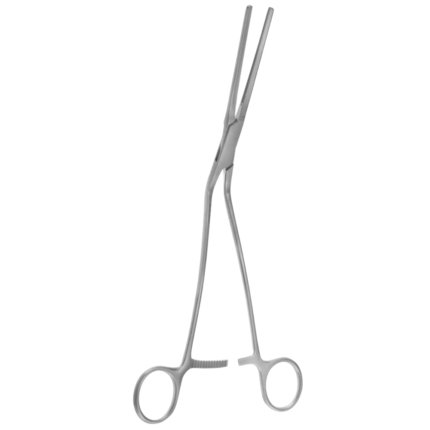
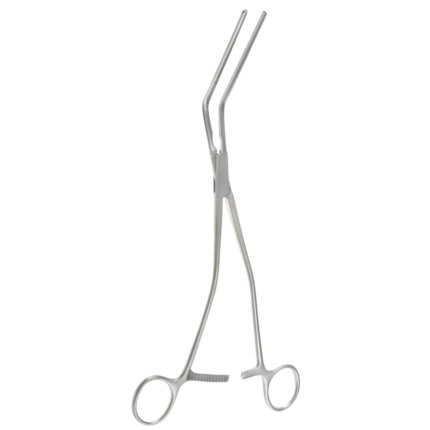
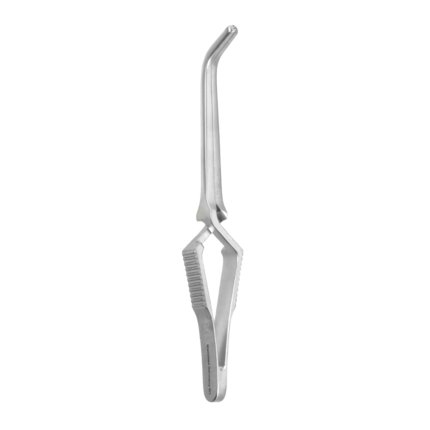
Accurate fracture reduction should be achieved before definitive fixation. The surgeon should use appropriate reduction clamps, guidewires, drills, drill guides, depth gauges, screwdrivers, and other compatible instruments according to the manufacturer’s surgical technique. Intraoperative imaging may be used to confirm reduction, implant positioning, screw length, and relationship to the elbow joint.
Screw placement around the distal humerus requires careful attention because of the proximity of the articular surface and important neurovascular structures. Screw lengths should be measured accurately and trajectories planned according to the plate design and surgical technique. Excessive screw length or inappropriate trajectory can compromise surrounding anatomy.
The implants should be handled carefully to prevent contamination, scratches, deformation, or damage to threaded locking holes. Plate bending or modification should only be performed when specifically permitted by the manufacturer and according to an approved technique. Improper modification can affect the locking interface and mechanical performance.
Sterility, packaging, storage, and processing requirements depend on the manufacturer’s product labeling and supplied configuration. Reusable surgical instruments should be cleaned, inspected, packaged, and sterilized using validated healthcare-facility procedures according to applicable manufacturer instructions.
With left and right configurations, 3–12 hole options, LCP screw compatibility, SS 316L construction, and a 112-piece selection, this distal humerus locking plate system provides a versatile orthopedic fixation option for appropriately selected distal humeral fracture procedures.
Key Features
- Designed for distal humerus fracture fixation.
- Left and right anatomical configurations.
- Available in 3 to 12-hole options.
- Compatible with LCP locking screws.
- Manufactured from SS 316L stainless steel.
- Locking interface supports angular-stable fixation.
- Multiple plate lengths accommodate different fracture patterns.
- Suitable for selected distal humeral and supracondylar fractures.
- Provides multiple fixation points for fracture stabilization.
- 112-piece selection offers multiple plate and screw configurations.
- Designed for professional orthopedic trauma applications.
- Requires compatible LCP surgical instrumentation.
Product Specifications
| Specification | Details |
|---|---|
| Product Name | Locking Distal Humerus Plates |
| Anatomical Site | Distal Humerus |
| Plate Type | Locking Compression Plate |
| Hole Options | 3 to 12 Holes |
| Side Options | Left & Right |
| Material | SS 316L Stainless Steel |
| Screws | LCP Screws Included |
| Quantity | 112 Pieces |
| Fixation Type | Locking / Angular-Stable Fixation |
| Primary Application | Distal Humerus Fracture Fixation |
| Common Applications | Selected Distal Humeral & Supracondylar Fractures |
| Plate Configuration | Anatomical Distal Humerus |
| Surgical Specialty | Orthopedic Trauma / Elbow Surgery |
| Intended Use | Professional orthopedic surgical applications |
| Instrument Compatibility | Use compatible LCP locking instrumentation |
| Sterilization | Follow product-specific manufacturer instructions and validated protocols |
FAQs
1. What are Locking Distal Humerus Plates used for?
They are orthopedic fixation implants designed for appropriately selected distal humerus fractures requiring surgical stabilization, including selected supracondylar and metaphyseal fracture patterns.
2. Are left and right plates available?
Yes. The system includes left and right configurations to correspond with the patient’s affected side.
3. What hole configurations are available?
The product includes 3 through 12-hole configurations, providing different plate lengths and fixation spans.
4. What screws are compatible with these plates?
The plates are designed for use with compatible LCP locking screws. Screw specifications must correspond to the particular plate system.
5. What does LCP mean?
LCP stands for Locking Compression Plate. The system uses threaded plate holes that can engage compatible locking screws to create an angular-stable plate-screw connection.
6. What material are these plates made from?
The plates are manufactured from SS 316L stainless steel, a low-carbon stainless steel commonly used in medical and orthopedic implant applications.
7. What types of distal humerus fractures can these plates be used for?
They may be considered for selected distal humerus, supracondylar, metaphyseal, displaced, comminuted, and other fracture patterns where locking plate fixation is clinically appropriate.
Reviews
There are no reviews yet.