
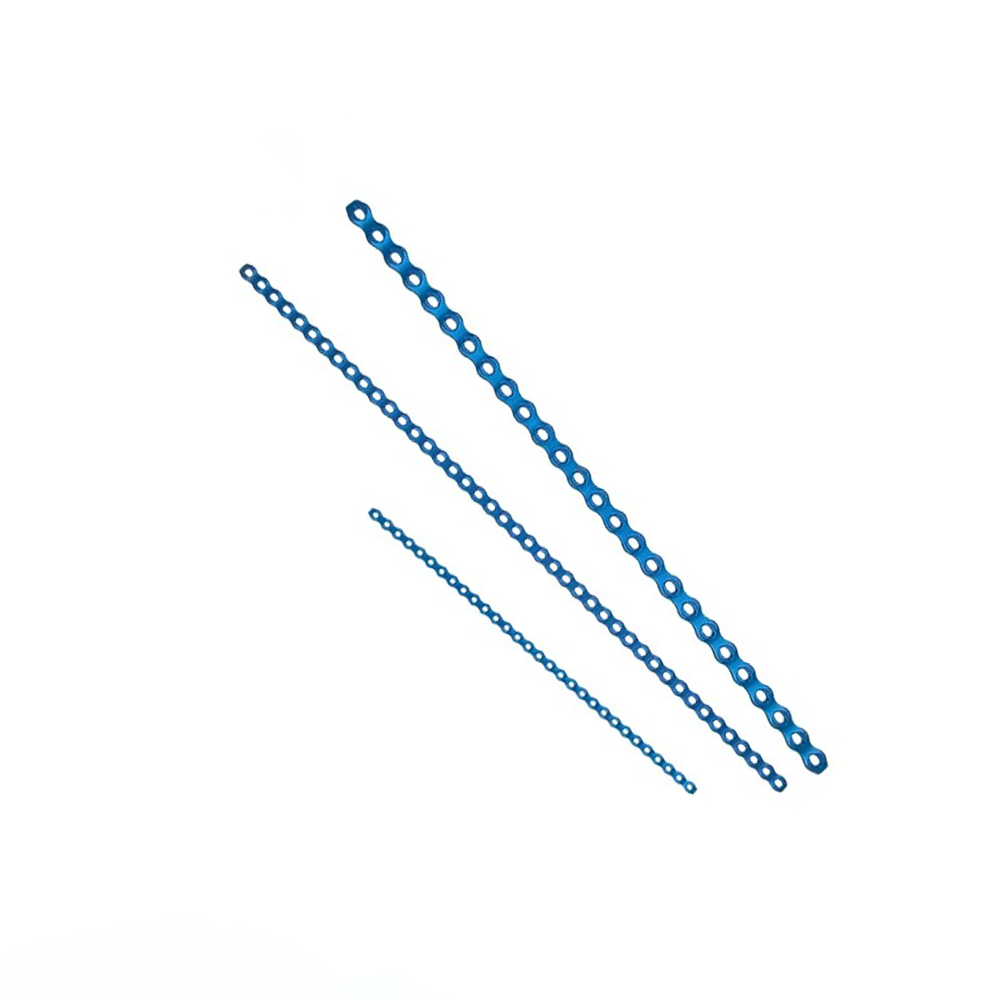
The 1.6 / 2.4 / 3.2 mm ALPS Locking Plate – Veterinary Orthopedic Implants for Dogs is a veterinary orthopedic implant designed to support fracture fixation procedures in dogs. The multiple size options provide veterinary surgeons with flexibility when selecting an appropriate locking plate system according to the patient’s bone dimensions, fracture characteristics, and surgical requirements. It is intended for professional veterinary orthopedic use as part of a compatible plate and screw fixation system.
The ALPS locking plate design uses compatible locking screws to establish a fixed-angle relationship between the screw and plate. This type of fixation can provide a stable construct while reducing the dependence on compression between the plate and bone. The appropriate fixation strategy should be determined by the treating veterinary surgeon based on the patient’s anatomy, fracture pattern, bone quality, imaging findings, and overall surgical plan.
The 1.6mm, 2.4mm, and 3.2mm system options provide different implant dimensions for varying canine orthopedic applications. Smaller systems may be appropriate for selected smaller bones and smaller patients, while larger systems can provide greater implant dimensions for applications requiring a larger fixation platform. Final implant selection should always be based on the individual animal rather than size designation alone.
Veterinary locking plates may be used for selected fracture fixation procedures involving areas such as the radius, ulna, tibia, femur, metacarpals, metatarsals, or other bones where a compatible locking plate is indicated. The exact application depends on the specific plate geometry, available lengths, screw configuration, patient anatomy, and surgeon’s technique.
A locking plate can be particularly useful when maintaining fracture alignment and providing stable fixation are important surgical objectives. Compatible locking screws engage with threaded plate holes to create angular stability. Depending on the system design, the plate may also allow conventional screw fixation or compression techniques where appropriate. The surgeon should use only compatible screws and instrumentation specified for the selected implant system.
The plate should be handled using appropriate veterinary orthopedic instrumentation. Excessive bending, repeated contouring, forceful manipulation, or improper handling can affect implant geometry and should be avoided unless specifically permitted by the manufacturer’s design and instructions. Before implantation, the surgical team should inspect the plate for damage, deformation, surface defects, or other conditions that could affect its intended use.
Proper surgical planning is essential for successful orthopedic fixation. Diagnostic imaging should be used to assess the fracture and determine appropriate plate length, positioning, screw number, screw length, and fixation strategy. The surgeon should ensure adequate bone purchase and avoid inappropriate screw placement that could interfere with joints, neurovascular structures, or other anatomical structures.
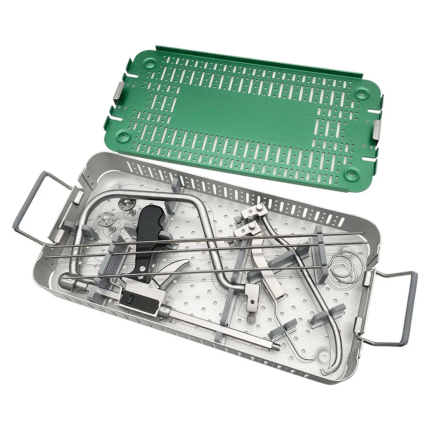
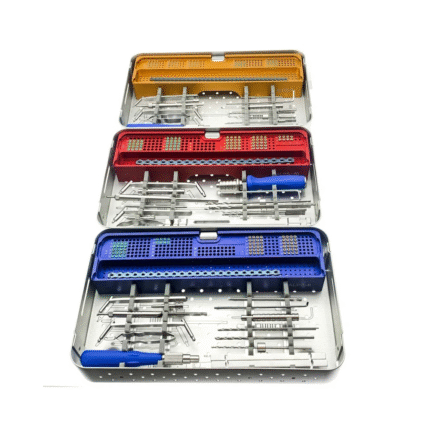
The implant should be prepared and handled according to the manufacturer’s instructions. Reusable surgical instruments used with the plate must be thoroughly cleaned after each procedure, with special attention to drill guides, screwdrivers, threaded components, and other precision areas. Instruments should be inspected for wear or damage before sterilization.
Sterilization and reprocessing procedures for reusable instruments should follow validated manufacturer instructions and the veterinary facility’s infection-control protocols. The implant itself should be handled according to its intended use and applicable manufacturer instructions. Proper storage, aseptic handling, and surgical preparation are important throughout the procedure.
The 1.6 / 2.4 / 3.2mm ALPS Locking Plate provides veterinary orthopedic professionals with multiple fixation system options for selected canine fracture procedures. Its locking-hole design and range of available system sizes make it a versatile component within a compatible veterinary orthopedic implant system.
Key Features
- Veterinary ALPS locking plate for canine orthopedic surgery
- Available in 1.6mm, 2.4mm, and 3.2mm system sizes
- Designed for selected fracture fixation procedures in dogs
- Locking-hole design for compatible fixed-angle screws
- Multiple size options for different canine anatomies
- Suitable for small-fragment and selected long-bone fixation
- Supports stable orthopedic fixation constructs
- Designed for compatibility with corresponding locking screws
- Suitable for professional veterinary orthopedic applications
- Precision implant design for controlled plate positioning
- Durable orthopedic implant construction
- Implant selection should be based on patient anatomy and fracture characteristics
Product Specifications
| Specification | Details |
|---|---|
| Product Type | Veterinary Locking Bone Plate |
| System Sizes | 1.6mm / 2.4mm / 3.2mm |
| Plate System | ALPS |
| Primary Application | Canine Fracture Fixation |
| Intended Patient | Dogs |
| Fixation Type | Locking Plate Fixation |
| Screw Type | Compatible Locking Screws |
| Surgical Specialty | Veterinary Orthopedics |
| Applications | Selected Bone & Fracture Fixation |
| Design | Threaded Locking Plate |
| Material | Implant-Grade Material |
| Use | Professional Veterinary Surgery |
FAQs
What is a 1.6 / 2.4 / 3.2mm ALPS locking plate used for?
The ALPS locking plate is designed for selected orthopedic fracture fixation procedures in dogs. The appropriate system size depends on the patient’s anatomy and surgical requirements.
What do the 1.6mm, 2.4mm, and 3.2mm sizes mean?
These designations refer to different locking plate system sizes intended to accommodate different canine bone dimensions and fixation requirements.
What are veterinary locking plates used for?
Veterinary locking plates are used to stabilize selected fractures and other orthopedic conditions requiring plate-and-screw fixation. Compatible locking screws create a fixed-angle connection with the plate.
Can this ALPS plate be used for all dog fractures?
No. Implant selection depends on the dog’s size, bone anatomy, fracture location, fracture pattern, bone quality, and the surgeon’s treatment plan.
What screws are used with an ALPS locking plate?
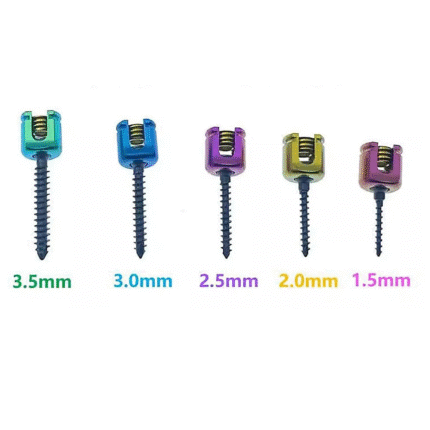
The plate should be used with compatible locking screws specified for the corresponding ALPS system and plate size. Screw dimensions should be selected according to the individual surgical requirements.
Which dogs can use a 1.6mm, 2.4mm, or 3.2mm plate?
The appropriate size depends on the dog’s skeletal dimensions, affected bone, fracture characteristics, and required fixation strength. A qualified veterinary surgeon should select the appropriate system.
What are the benefits of a locking plate in veterinary orthopedic surgery?
Locking plates provide a fixed-angle relationship between compatible screws and the plate, supporting stable fixation while allowing the surgeon to develop an appropriate fixation construct for the individual fracture.
How should instruments used with the ALPS plate be sterilized?
Reusable surgical instruments should be cleaned, inspected, and sterilized according to validated manufacturer instructions and the veterinary facility’s established infection-control procedures.






Reviews
There are no reviews yet.