
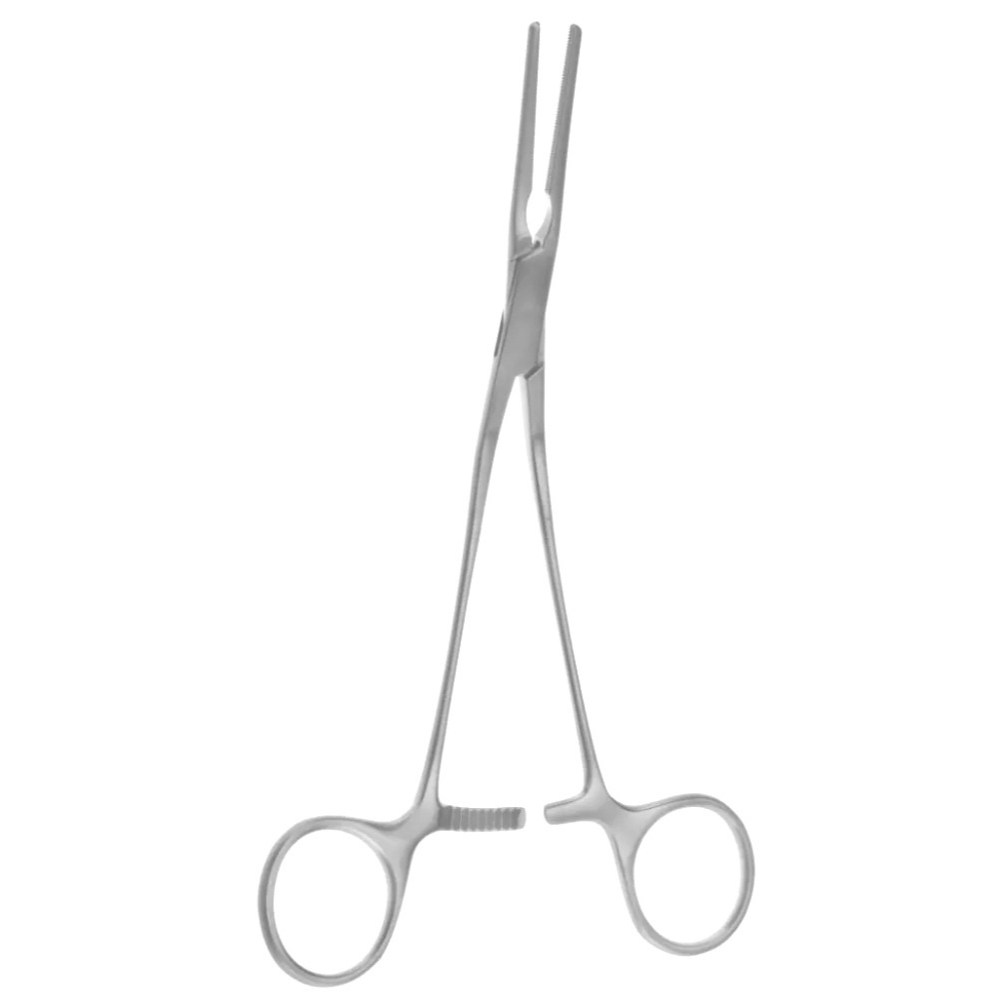
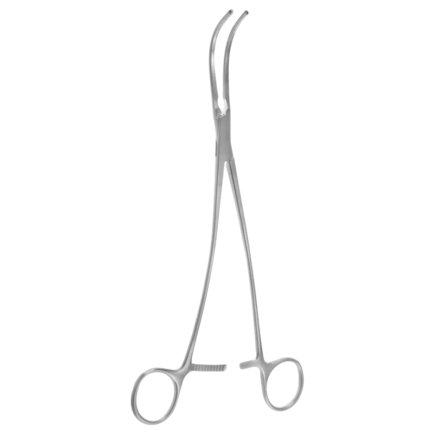

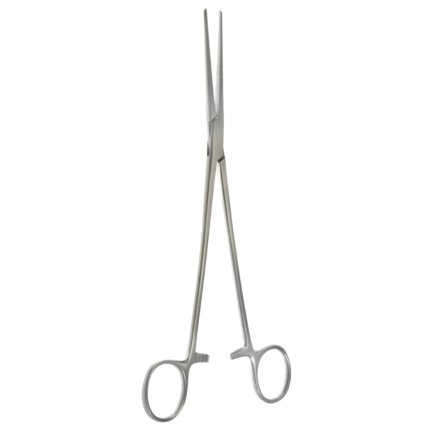
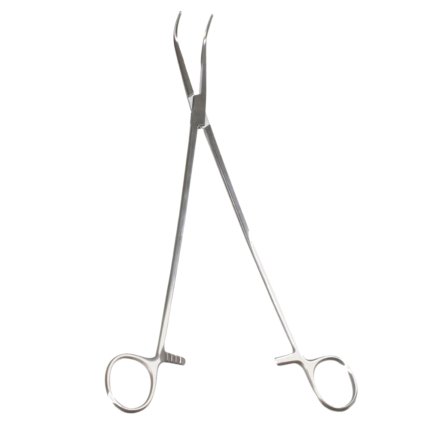
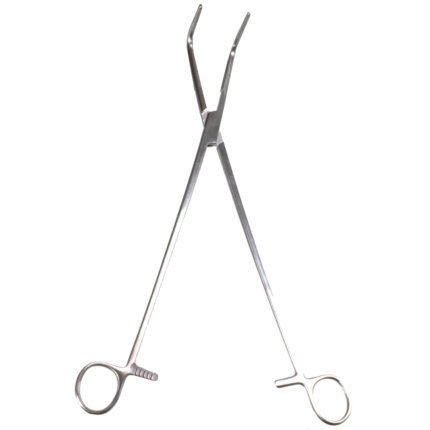
The 8″ DeBakey Patent Ductus Clamp Ang Shaft is a precision-engineered cardiovascular surgical instrument designed specifically for controlled occlusion and manipulation of the patent ductus arteriosus during congenital and cardiac surgical procedures. Manufactured for professional cardiovascular applications, this DeBakey ductus clamp features an angled shaft design that provides enhanced access, improved maneuverability, and accurate positioning when working within complex anatomical areas of the thoracic cavity.
The angled shaft configuration allows surgeons to approach the ductus arteriosus from an optimized angle, helping improve visibility and control during delicate cardiac procedures. This design is particularly beneficial in congenital heart surgery where precise instrument placement and careful tissue handling are essential. The angled profile supports efficient access while maintaining surgeon comfort and reducing the challenges associated with restricted operative spaces.
The DeBakey Patent Ductus Clamp is commonly used during patent ductus arteriosus (PDA) closure procedures and other cardiovascular operations requiring temporary vascular control. Its specialized construction allows surgeons to securely engage the ductus while maintaining controlled pressure application. The instrument provides dependable performance during procedures where accuracy, stability, and reliable vessel management are critical.
With an overall length of 8 inches, this ductus clamp provides an excellent balance between reach, precision, and maneuverability. The size allows effective access to the surgical field while maintaining comfortable handling characteristics. The carefully designed jaws and angled shaft work together to provide stable positioning and controlled manipulation during complex cardiac procedures.
Manufactured from premium surgical-grade stainless steel, the 8″ DeBakey Patent Ductus Clamp offers exceptional durability, strength, and resistance to corrosion. The high-quality material ensures the instrument can withstand repeated cleaning and sterilization cycles while maintaining its mechanical performance, alignment, and long-term reliability. The polished surgical finish supports efficient cleaning and helps maintain strict standards for operating room hygiene.
The ergonomic design of this DeBakey cardiovascular clamp enhances surgeon control and comfort. The balanced construction allows smooth movements, while the secure locking mechanism helps maintain consistent jaw positioning during procedures. These features support precise handling and reduce fatigue during extended cardiac surgeries.
This angled shaft ductus clamp is an essential instrument in cardiovascular surgery departments, pediatric cardiac centers, and specialized operating rooms. It is commonly used in congenital heart surgery, PDA ligation procedures, and other applications requiring accurate control of small vascular structures. The trusted DeBakey design provides surgeons with a dependable instrument for delicate cardiovascular interventions.
Proper care and maintenance are essential to preserve the performance and lifespan of this reusable surgical clamp. After each procedure, the instrument should be thoroughly cleaned, inspected for proper alignment and function, and sterilized according to approved medical instrument protocols. Regular maintenance ensures reliable performance and extends the service life of the instrument.
For cardiac surgeons and healthcare professionals seeking a precise and durable ductus arteriosus clamp, the 8″ DeBakey Patent Ductus Clamp Ang Shaft provides excellent control, accessibility, and long-lasting performance. Its angled shaft design, surgical-grade construction, and specialized cardiovascular application make it a valuable addition to modern cardiac surgical instrument collections.
Key Features
- 8″ DeBakey Patent Ductus Clamp designed for cardiovascular surgery
- Angled shaft improves access and instrument positioning
- Designed for patent ductus arteriosus (PDA) procedures
- Provides controlled vascular occlusion and manipulation
- DeBakey-style construction supports precise tissue handling
- Manufactured from premium surgical-grade stainless steel
- Ergonomic design enhances surgeon comfort and control
- Durable construction withstands repeated sterilization cycles
- Smooth locking mechanism ensures secure positioning
- Corrosion-resistant finish improves instrument longevity
- Suitable for pediatric and adult cardiac applications
Product Specifications Table
| Specification | Details |
|---|---|
| Product Name | 8″ DeBakey Patent Ductus Clamp Ang Shaft |
| Instrument Type | Patent Ductus Clamp |
| Surgical Specialty | Cardiovascular / Cardiac Surgery |
| Overall Length | 8 inches |
| Shaft Design | Angled Shaft |
| Application | Patent ductus arteriosus closure and vascular control |
| Material | Surgical-grade stainless steel |
| Function | Temporary vascular clamping |
| Design | DeBakey Pattern Clamp |
| Finish | Polished surgical finish |
| Sterilization | Compatible with standard sterilization methods |
| Reusable | Yes |
FAQs
1. What is the 8″ DeBakey Patent Ductus Clamp used for?
The clamp is used for controlled occlusion and manipulation of the patent ductus arteriosus during cardiac and congenital heart procedures.
2. What is the benefit of an angled shaft design?
The angled shaft improves access and allows surgeons to position the instrument more effectively in confined cardiac surgical areas.
3. Is this DeBakey ductus clamp used in pediatric cardiac surgery?
Yes, it is commonly used in congenital heart procedures, including patent ductus arteriosus closure.
4. What material is the Patent Ductus Clamp made from?
The instrument is manufactured from surgical-grade stainless steel for durability, corrosion resistance, and repeated sterilization.
5. Can the 8″ DeBakey Patent Ductus Clamp be reused?
Yes, it is a reusable surgical instrument designed for professional medical environments with proper care.
6. Why choose a DeBakey Patent Ductus Clamp?
DeBakey clamps are known for precision engineering, reliable vascular control, and ergonomic performance during cardiovascular procedures.

Reviews
There are no reviews yet.