
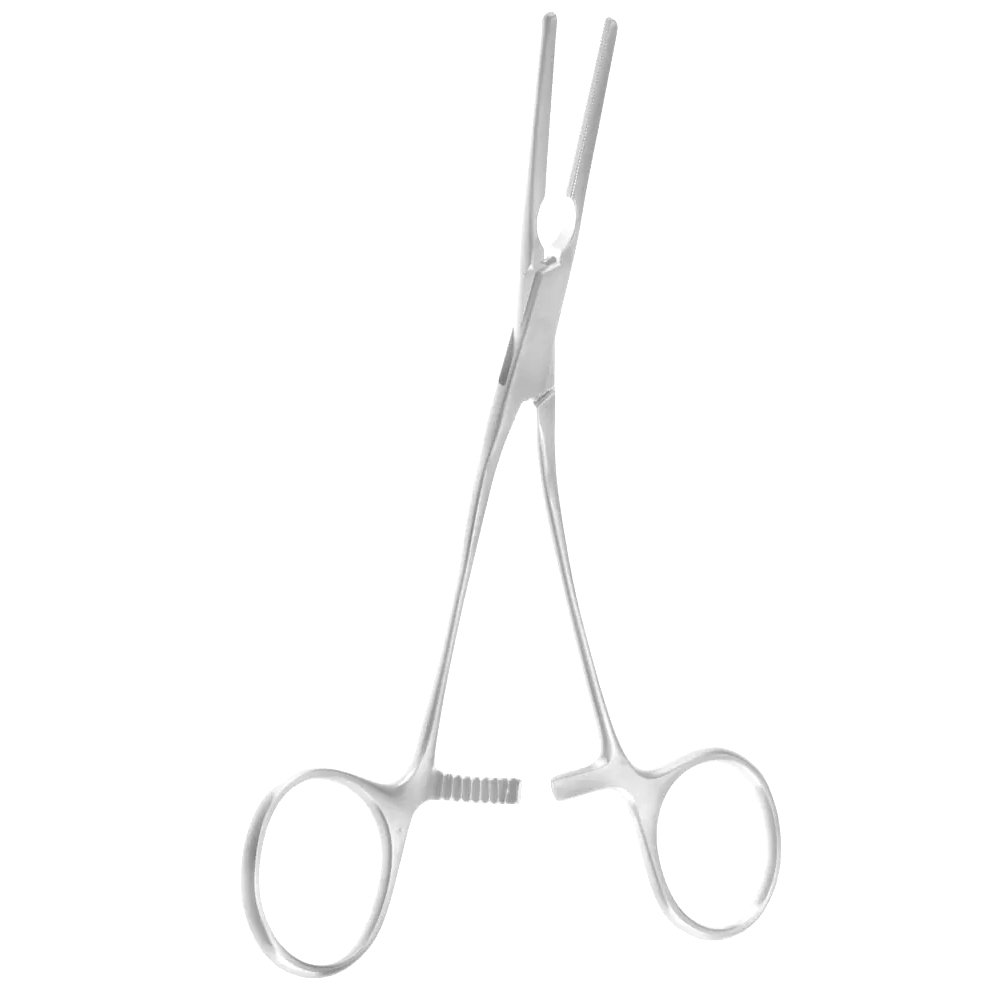
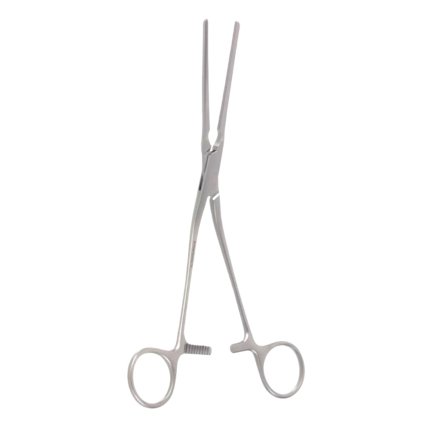
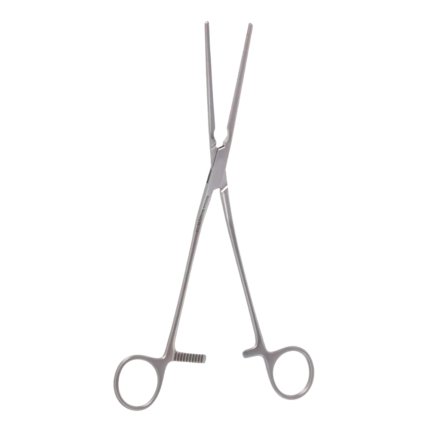
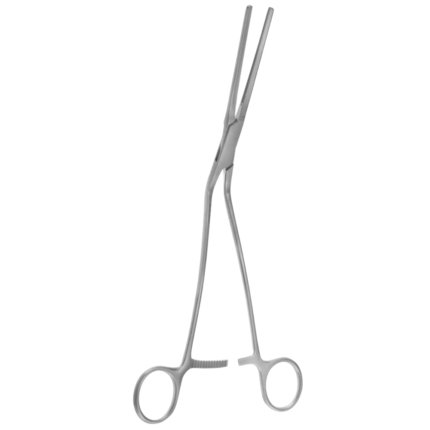
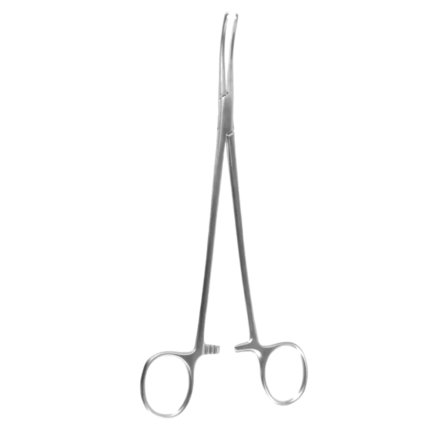
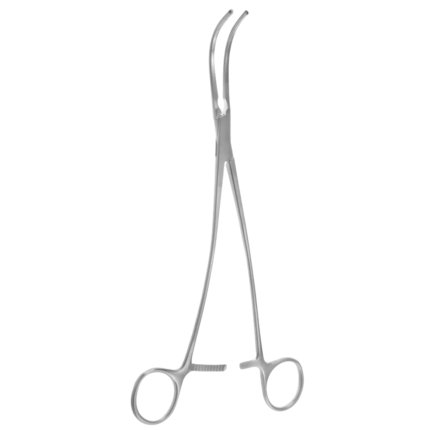
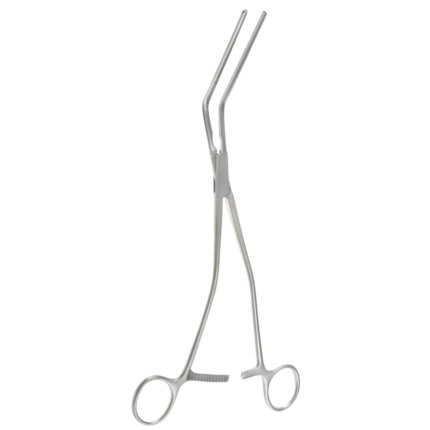
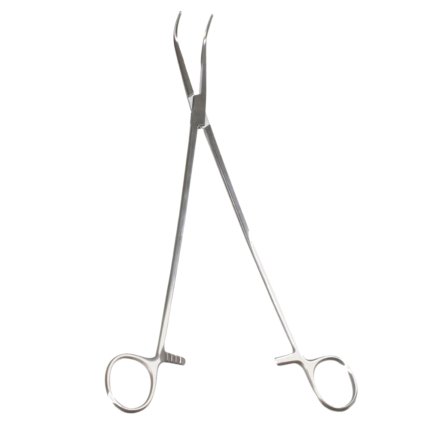
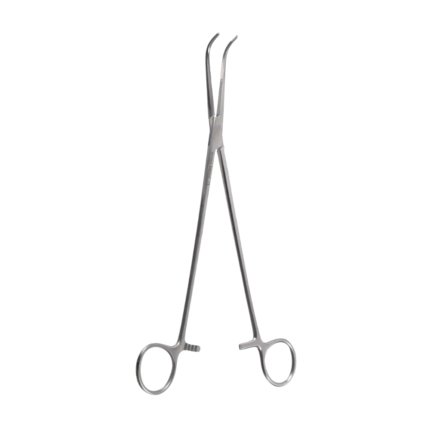
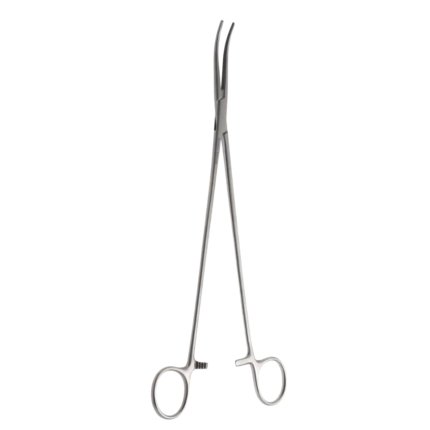
The 8″ DeBakey Patent Ductus Clamp Angled Shaft is a precision cardiovascular surgical instrument specifically designed for controlled handling and occlusion of the patent ductus arteriosus during congenital heart and vascular procedures. Featuring the trusted DeBakey design principles, this specialized clamp provides surgeons with accurate vessel control, excellent maneuverability, and reliable performance in delicate cardiovascular operations. The angled shaft configuration allows improved access to challenging anatomical locations, making it easier for surgeons to position the instrument effectively while maintaining optimal visualization of the surgical field.
This DeBakey Patent Ductus Clamp is commonly used in procedures involving patent ductus arteriosus (PDA) management, congenital cardiac surgery, vascular reconstruction, and other cardiovascular interventions requiring temporary vessel control. The 8-inch length provides an ideal balance between reach and precision, allowing surgeons to work comfortably while maintaining accurate manipulation of small and delicate vascular structures. Its specialized design supports controlled clamping while helping minimize unnecessary tissue disturbance during critical procedures.
The angled shaft design enhances surgical flexibility by allowing improved access around anatomical structures that may be difficult to approach with straight instruments. This feature helps surgeons achieve precise placement and secure positioning during ductus-related procedures. The clamp is engineered to provide controlled compression and reliable occlusion, supporting safe management of vascular structures during cardiovascular surgery.
Manufactured from premium surgical-grade stainless steel, the 8″ DeBakey Patent Ductus Clamp offers excellent durability, corrosion resistance, and long-term reliability. The high-quality stainless steel construction allows the instrument to withstand repeated cleaning and sterilization cycles while maintaining its mechanical performance and precision. Advanced manufacturing techniques ensure smooth articulation, accurate alignment, and consistent operation throughout the instrument’s service life.
The ergonomic design of this angled shaft ductus clamp supports surgeon comfort and operational efficiency. Its balanced structure allows precise handling during delicate cardiac procedures, reducing hand fatigue and improving instrument control. The angled shaft provides additional maneuverability, enabling surgeons to navigate complex surgical fields with greater accuracy.
The 8″ DeBakey Patent Ductus Clamp Angled Shaft is an important addition to cardiovascular surgical instrument sets used in hospitals, cardiac surgery departments, and specialized operating rooms. It is designed for professionals who require dependable instruments for congenital heart procedures and vascular applications. Its combination of specialized geometry, durable construction, and precise functionality makes it suitable for demanding surgical environments.
Proper maintenance, cleaning, inspection, and sterilization according to approved medical instrument protocols are essential for preserving the performance and longevity of this surgical clamp. Routine inspection of the clamp mechanism and working surfaces helps maintain accurate operation and reliable results.
Combining DeBakey precision engineering, angled shaft functionality, and durable stainless steel construction, the 8″ DeBakey Patent Ductus Clamp Angled Shaft delivers dependable performance for advanced cardiovascular procedures. Its specialized design supports accurate ductus control, improved surgical access, and efficient handling during complex cardiac operations.
Key Features
- 8″ DeBakey Patent Ductus Clamp designed for cardiovascular procedures
- Angled shaft design improves access and surgical maneuverability
- Specifically suited for patent ductus arteriosus (PDA) procedures
- Provides precise temporary vessel occlusion and control
- DeBakey-style construction supports controlled vascular handling
- Designed for delicate congenital heart and vascular surgeries
- Manufactured from premium surgical-grade stainless steel
- Corrosion-resistant finish enhances durability and longevity
- Smooth operating mechanism ensures reliable jaw movement
- Ergonomic design improves surgeon comfort and precision
- Compatible with standard surgical sterilization methods
- Professional-grade instrument for cardiac operating rooms
Product Specifications Table
| Product Specification | Details |
|---|---|
| Product Name | 8″ DeBakey Patent Ductus Clamp Angled Shaft |
| Instrument Type | Patent Ductus Clamp |
| Length | 8 Inches |
| Shaft Design | Angled Shaft |
| Pattern | DeBakey Style |
| Application | Cardiovascular and Congenital Heart Surgery |
| Primary Function | Ductus Occlusion and Vessel Control |
| Material | Surgical-Grade Stainless Steel |
| Usage | Patent Ductus Arteriosus Procedures, Vascular Surgery |
| Design Feature | Angled Access Configuration |
| Reusable | Yes |
| Sterilization | Compatible with Standard Surgical Sterilization Methods |
FAQs
1. What is the 8″ DeBakey Patent Ductus Clamp used for?
The clamp is used for controlled occlusion and management of the patent ductus arteriosus during congenital heart and cardiovascular procedures.
2. What is the benefit of an angled shaft design?
The angled shaft provides improved access and maneuverability when working in complex anatomical areas during cardiac surgery.
3. Is this DeBakey ductus clamp suitable for delicate vascular structures?
Yes, it is designed for precise handling and controlled compression of delicate cardiovascular tissues.
4. What material is used to manufacture this surgical clamp?
The instrument is made from high-quality surgical stainless steel for durability, corrosion resistance, and repeated sterilization capability.
5. Can the 8″ DeBakey Patent Ductus Clamp be reused?
Yes, it is a reusable surgical instrument when properly cleaned, maintained, and sterilized according to medical guidelines.
6. Which specialties use a patent ductus clamp?
Cardiovascular surgeons, congenital heart surgeons, and vascular specialists commonly use this type of instrument during cardiac procedures.
Reviews
There are no reviews yet.