

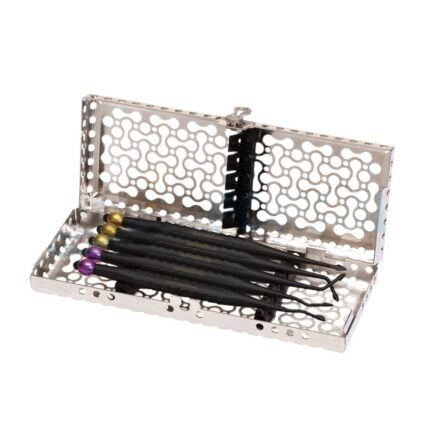
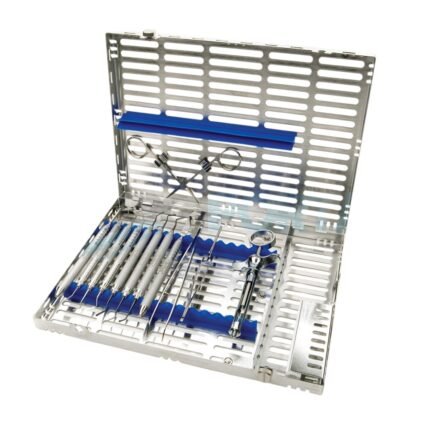
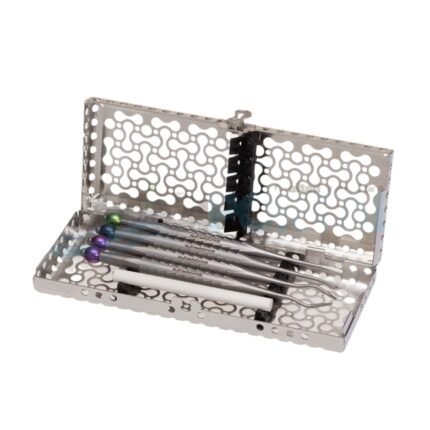
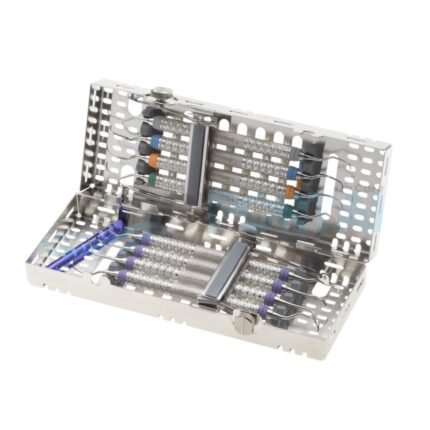
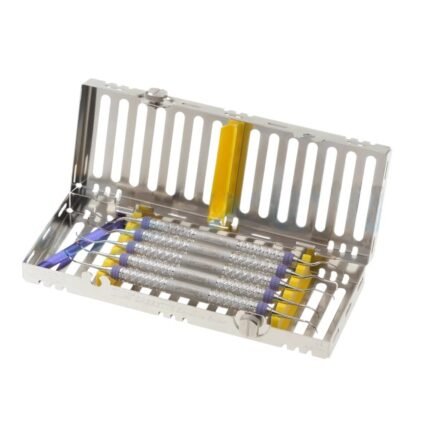
Dental Surgical Kits are organized collections of specialized dental instruments designed to support a wide range of oral surgical and dental procedures. By grouping commonly required instruments together, a surgical kit can help dental professionals prepare efficiently for procedures while keeping essential instruments organized and readily accessible.
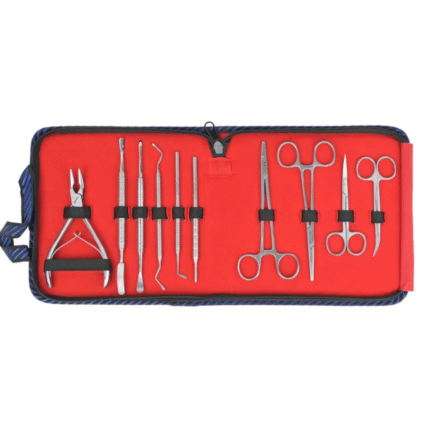
The exact contents of a dental surgical kit vary according to its intended application. General oral surgery kits may include instruments such as extraction forceps, dental elevators, surgical scissors, tissue forceps, needle holders, retractors, periosteal elevators, curettes, probes, and other instruments used during oral surgical procedures. Specialized kits may instead focus on implantology, periodontal surgery, endodontic surgery, orthodontic procedures, or other specific clinical applications.
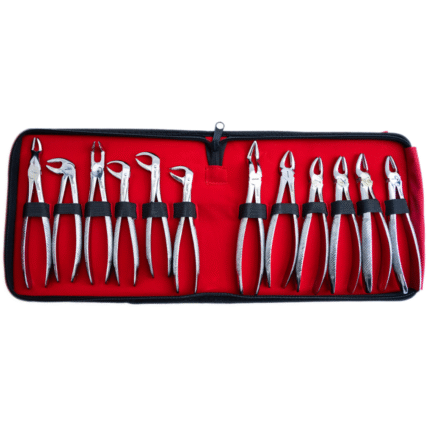
For tooth extraction procedures, a surgical kit may combine elevators and extraction forceps to support controlled loosening and removal of teeth or roots. Elevators can assist with luxation and elevation, while appropriately selected forceps provide controlled engagement and removal. Instrument selection should always be based on the tooth anatomy, clinical situation, and technique used by the qualified dental professional.
Dental surgical kits may also be configured for implant dentistry. Depending on the system, an implant kit can include drills, depth gauges, parallel pins, implant drivers, measuring instruments, and other components used during osteotomy preparation and implant placement. Implant-specific instruments should be verified for compatibility with the applicable implant system before clinical use.
For oral and periodontal surgery, kits can provide instruments for tissue management, surgical access, bone manipulation, suturing, and wound closure. Having these instruments organized as a set can help support an efficient procedural workflow and simplify preparation before surgery.
The instruments included in dental surgical kits are commonly manufactured from surgical-grade or medical-grade stainless steel. Stainless steel is widely used for reusable dental instruments because of its mechanical strength, corrosion resistance, durability, and compatibility with established cleaning and sterilization procedures. Some specialized components may use titanium or other medical-grade materials depending on their intended function.
Instrument performance depends on proper handling and maintenance. Cutting edges, fine tips, serrated jaws, hinges, and working surfaces should be inspected regularly for wear or damage. Instruments that show significant corrosion, deformation, misalignment, or compromised working surfaces should be evaluated and replaced when required.
Following each procedure, reusable instruments should be processed promptly according to validated manufacturer instructions and the dental facility’s infection-control procedures. Thorough cleaning is necessary before sterilization, with particular attention to joints, serrations, narrow working areas, and other locations where blood, tissue, bone debris, or other contaminants may remain.
Proper organization is also important when using a dental surgical kit. Instruments should be arranged according to their intended sequence of use and stored in a manner that protects delicate working ends. Specialized implant components and system-specific accessories should be clearly identified to reduce the risk of using incompatible instruments.
Dental Surgical Kits provide dental clinics, oral surgery practices, hospitals, and professional training environments with a convenient way to organize instruments for different procedures. Whether configured for extraction, implantology, periodontal surgery, or general oral surgery, the appropriate kit can bring together the instruments needed for a particular clinical workflow.
Key Features
- Professional dental surgical instrument sets
- Configurations available for different dental procedures
- Suitable for oral surgery and tooth extraction
- May include dental elevators and extraction forceps
- Can include retractors, scissors, curettes, and tissue instruments
- Specialized configurations available for implant procedures
- Supports organized clinical instrument preparation
- Typically manufactured from medical-grade or surgical-grade materials
- Designed for professional dental environments
- Reusable instruments can be cleaned and sterilized when applicable
- Precision instruments require routine inspection and maintenance
- Kit contents vary according to the intended clinical application
Product Specifications
| Specification | Details |
|---|---|
| Product Name | Dental Surgical Kits |
| Product Type | Dental Surgical Instrument Sets |
| Primary Applications | Oral Surgery and Dental Procedures |
| Possible Functions | Extraction, Suturing, Tissue Handling, Implant Surgery |
| Instrument Configuration | Varies by Kit |
| Instrument Types | Elevators, Forceps, Scissors, Retractors, Curettes, Needle Holders, and More |
| Materials | Typically Medical-Grade / Surgical-Grade Materials |
| Reusable | Yes, for applicable reusable instruments |
| Sterilization | According to Validated Manufacturer Instructions |
| Compatibility | Depends on Specific Kit Configuration |
| Intended Users | Trained Dental Professionals |
| Clinical Setting | Dental Clinics, Oral Surgery, Hospitals, Training Facilities |
FAQs
What are Dental Surgical Kits used for?
Dental Surgical Kits provide organized groups of instruments for oral surgery, tooth extraction, implant procedures, periodontal surgery, suturing, and other dental surgical applications.
What instruments are included in a dental surgical kit?
Contents vary by configuration. A kit may include dental elevators, extraction forceps, retractors, scissors, tissue forceps, curettes, needle holders, probes, periosteal elevators, or implant-specific instruments.
Are dental surgical kits available for tooth extraction?
Yes. Extraction-focused kits can include combinations of dental elevators and extraction forceps designed to support controlled tooth and root removal.
Can a dental surgical kit be used for implant surgery?
Specialized implant surgical kits can include drills, depth gauges, parallel pins, implant drivers, and other system-specific components. Compatibility should be confirmed before use.
Are Dental Surgical Kits reusable?
Reusable instruments can generally be cleaned, inspected, sterilized, and reused according to manufacturer instructions and the dental facility’s validated infection-control procedures.
What materials are dental surgical instruments made from?
Reusable dental surgical instruments are commonly made from surgical-grade stainless steel. Some specialized instruments or components may use titanium or other medical-grade materials.
How should dental surgical instruments be sterilized?
Instruments should first be thoroughly cleaned and inspected, then sterilized using the validated method specified by the manufacturer and the healthcare facility’s infection-control protocol.
How do you maintain a dental surgical kit?
Clean instruments promptly after use, inspect working ends and moving components for damage or wear, maintain proper organization, and store sterilized instruments appropriately.
Can the contents of a dental surgical kit vary?
Yes. Dental surgical kits can be configured for specific procedures, so the number, type, dimensions, and design of instruments may vary between kits.
Who should use Dental Surgical Kits?
Dental surgical kits are intended for qualified dental professionals and trained clinical personnel who understand the appropriate use, cleaning, sterilization, and maintenance of dental surgical instruments.

Reviews
There are no reviews yet.