
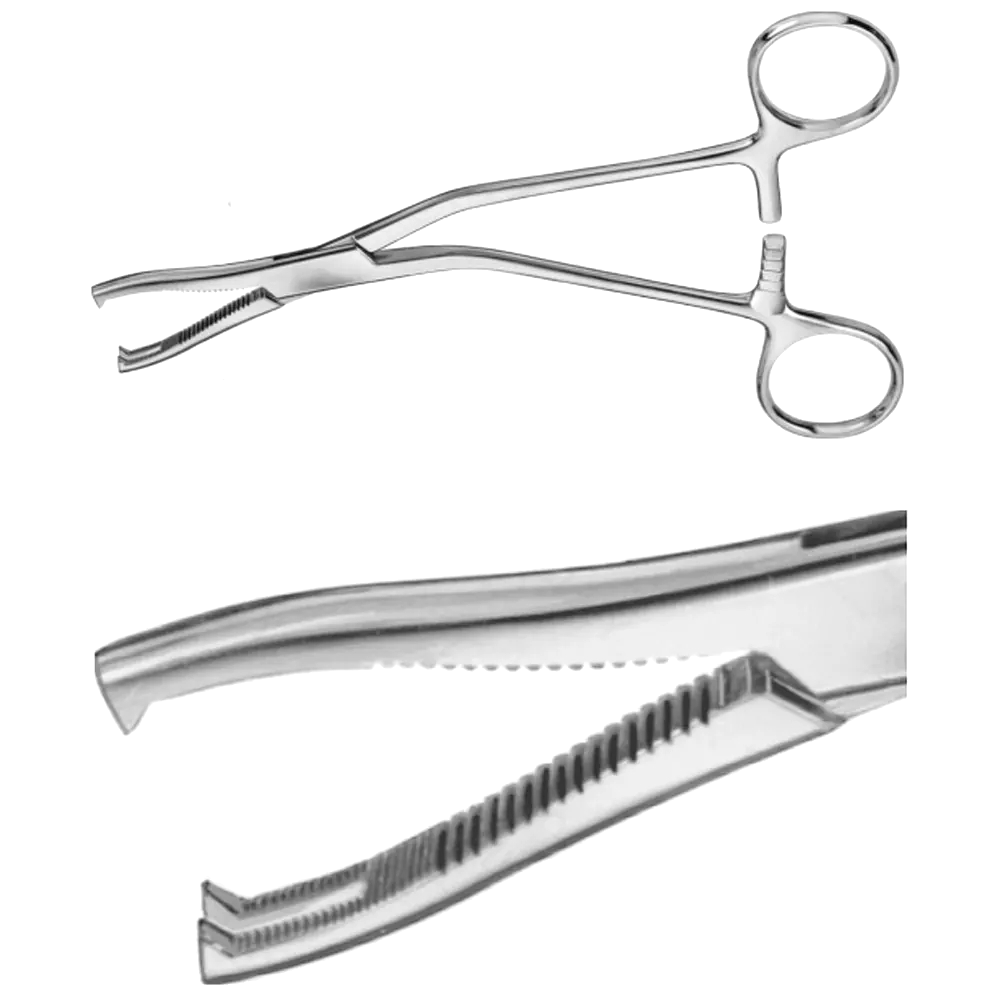
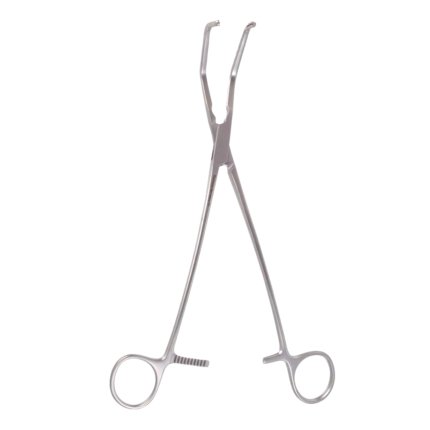
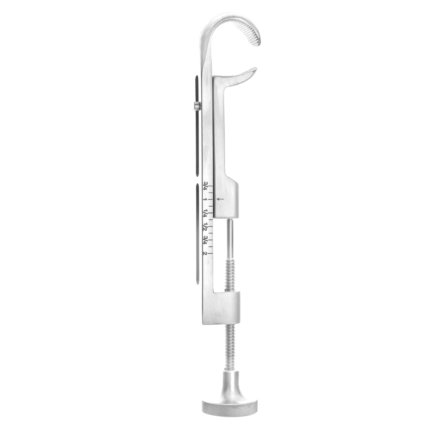
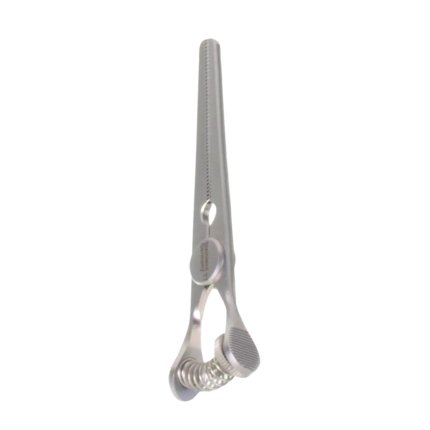
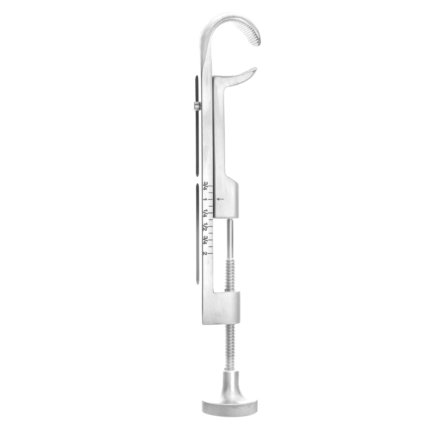
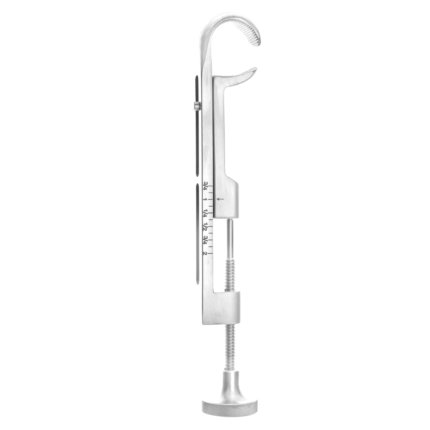
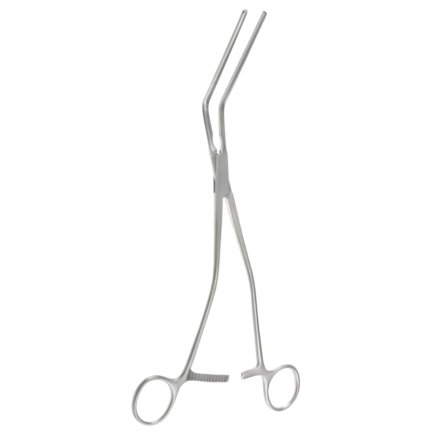
Dingman Bone Holding Forceps Surgical Orthopedic Instrument are specialized orthopedic surgical instruments designed for secure holding, alignment, and stabilization of bone fragments during fracture reduction and fixation procedures. They are widely used in orthopedic trauma surgery and reconstructive procedures where accurate bone positioning is essential before internal fixation with plates, screws, or other fixation devices.
Manufactured from premium surgical-grade stainless steel, Dingman Bone Holding Forceps offer excellent strength, durability, and corrosion resistance. The high-quality stainless steel construction ensures consistent performance and structural integrity even after repeated sterilization cycles. The polished finish provides a smooth surface that is easy to clean and suitable for sterile surgical environments.
The precision-engineered jaws are designed to firmly grip bone without slipping, allowing surgeons to maintain stable alignment of fractured segments. The controlled gripping mechanism ensures accurate positioning, which is critical for proper bone healing and restoration of anatomical structure.
The instrument features a strong locking or ratchet mechanism that maintains constant pressure without requiring continuous manual force. This allows surgeons to work efficiently while maintaining secure bone fixation during procedures.
The ergonomic handle design provides a comfortable and secure grip, enabling precise control during bone manipulation. The balanced construction reduces hand fatigue and enhances stability during prolonged orthopedic procedures.
Dingman Bone Holding Forceps are commonly used in orthopedic trauma surgery, fracture fixation (ORIF), reconstructive bone surgery, and general orthopedic procedures involving long bone or small bone alignment.
Designed for repeated professional use, the instrument is fully reusable and compatible with standard sterilization methods, including steam autoclaving. Its stainless steel construction resists rust, corrosion, staining, and wear, ensuring long-term reliability in surgical environments.
Available in multiple sizes and jaw configurations, Dingman Forceps can be selected based on bone type and surgical requirements for optimal performance.
Each instrument undergoes strict quality control testing to ensure jaw alignment, locking strength, and durable gripping performance for safe surgical use.
Key Features
- Premium surgical-grade stainless steel construction
- Designed for secure bone holding and alignment
- Strong jaws for stable fracture fixation
- Ideal for orthopedic trauma and reconstruction
- Ratchet/locking mechanism for consistent pressure
- Ergonomic handle for secure grip and control
- Balanced design reduces hand fatigue
- Corrosion, rust, and stain resistant
- Fully reusable and autoclavable
- Suitable for ORIF and fracture management
- Available in multiple sizes and configurations
- Manufactured to international surgical standards
Product Specifications
| Specification | Details |
|---|---|
| Product Name | Dingman Bone Holding Forceps |
| Instrument Type | Bone Holding / Reduction Forceps |
| Specialty | Orthopedic Surgery, Trauma Surgery, Reconstructive Surgery |
| Material | Premium Surgical Grade Stainless Steel |
| Finish | Polished Stainless Steel |
| Jaw Type | Bone Gripping Jaws |
| Mechanism | Ratchet / Locking System |
| Handle Type | Ergonomic Finger Ring Handles |
| Sterility | Non-Sterile |
| Reusable | Yes |
| Autoclavable | Yes |
| Corrosion Resistant | Yes |
| Rust Resistant | Yes |
| Latex Free | Yes |
| Clinical Application | Bone Fixation, Alignment, Fracture Reduction |
| Quality Standard | CE & ISO 13485 (Manufacturer Dependent) |
Frequently Asked Questions (FAQs)
1. What are Dingman Bone Holding Forceps used for?
They are used for holding, aligning, and stabilizing bone fragments during orthopedic fracture surgery.
2. What material are they made from?
They are made from premium surgical-grade stainless steel for durability and corrosion resistance.
3. Are they reusable?
Yes. They are designed for repeated professional use after proper cleaning and sterilization.
4. Can they be autoclaved?
Yes. They are fully compatible with standard steam autoclave sterilization procedures.
5. In which surgeries are they commonly used?
They are commonly used in orthopedic trauma surgery and fracture fixation procedures.
6. Do they help with bone alignment?
Yes. They provide strong and stable grip for accurate bone positioning during surgery.
7. Do they reduce surgical effort?
Yes. The locking mechanism maintains pressure without continuous manual force.
8. How should they be maintained?
Clean thoroughly after use, inspect jaws and locking system regularly, and sterilize according to hospital protocols.


Reviews
There are no reviews yet.