
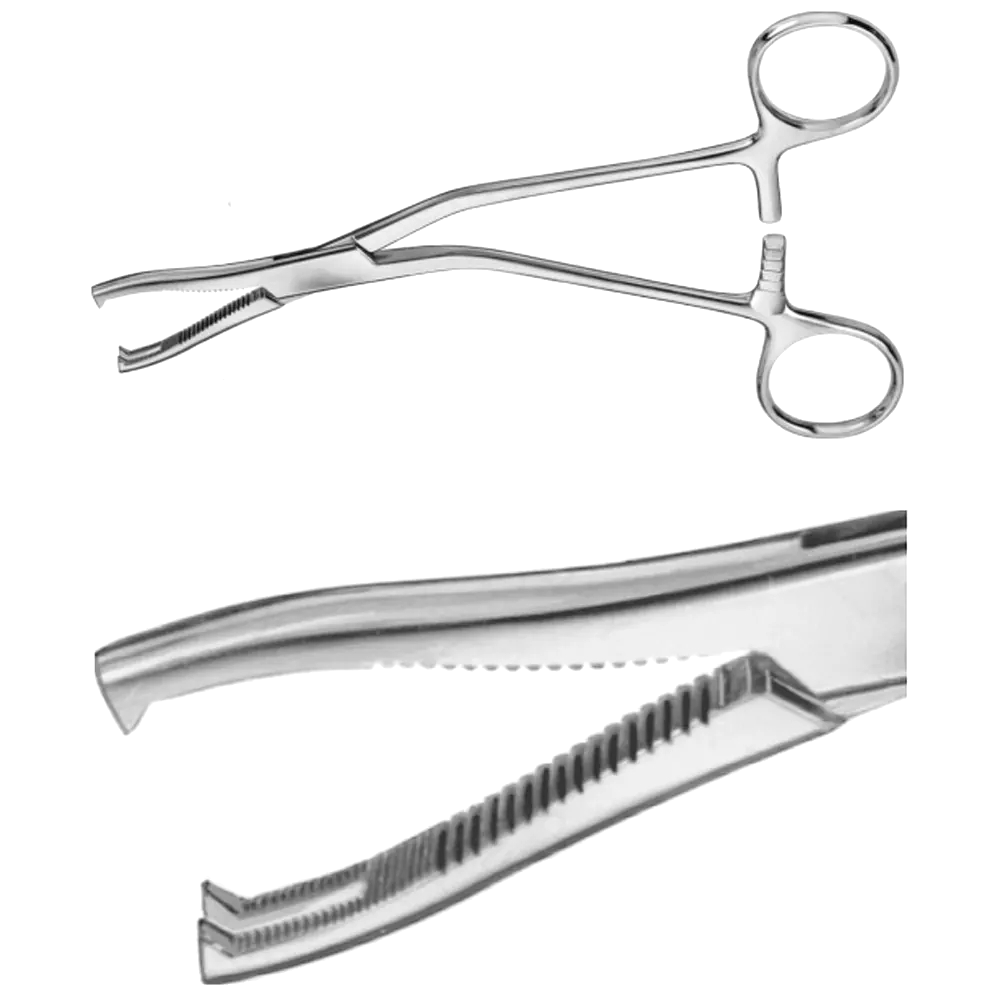
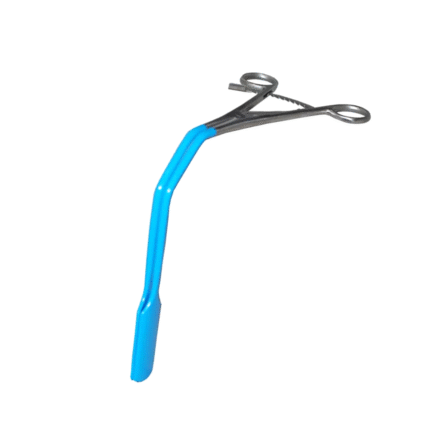
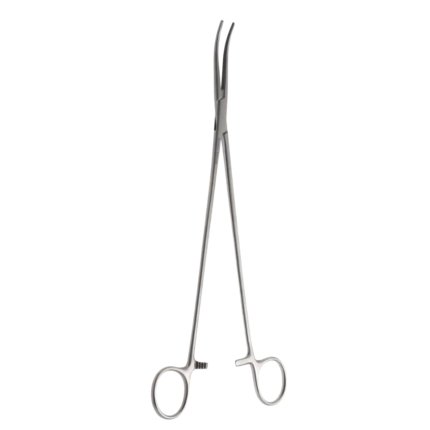
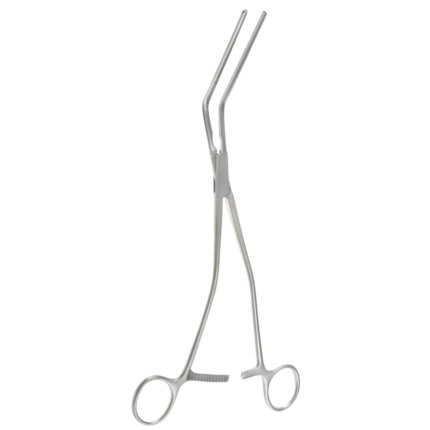
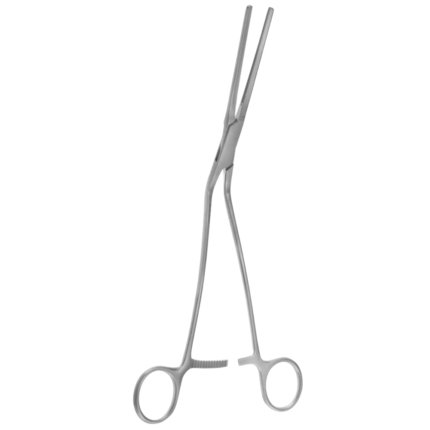
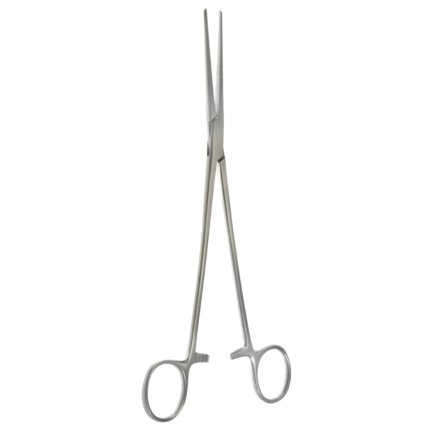
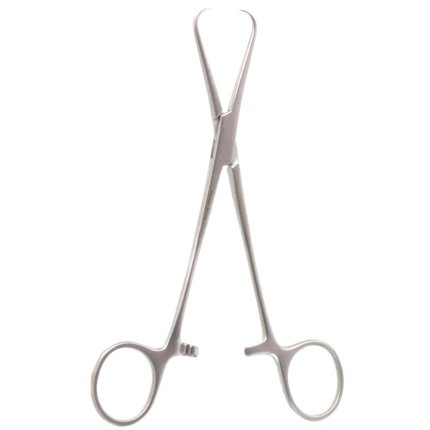
The Dingman Bone Holding Forceps are specialized orthopedic instruments designed to provide firm and stable control of bone fragments during fracture reduction, alignment, and fixation procedures. They are widely used in trauma and reconstructive orthopedic surgeries where precise bone positioning is essential for successful healing and optimal functional recovery.
These forceps feature strong, anatomically designed jaws that allow secure gripping of bone surfaces without unwanted slippage. The design ensures stable fixation of fractured segments, enabling surgeons to accurately align bone fragments before internal fixation using plates, screws, or other orthopedic implants.
The instrument is equipped with an ergonomic handle and a reliable locking mechanism that maintains consistent pressure once the desired alignment is achieved. This self-retaining function reduces the need for continuous manual force, allowing surgeons to work with improved precision and reduced fatigue during lengthy procedures.
The balanced construction of the Dingman Bone Holding Forceps enhances maneuverability and control, making them suitable for use in both small and large bone surgeries. Their design allows effective handling even in deep or difficult surgical sites.
Manufactured from premium surgical-grade stainless steel, these forceps offer excellent strength, corrosion resistance, and long-term durability. They are engineered to withstand repeated sterilization cycles while maintaining structural integrity and smooth mechanical performance.
The polished finish allows easy cleaning and supports effective sterilization, meeting strict hygiene requirements in hospitals, trauma centers, and orthopedic operating rooms. Fully autoclavable and reusable, they are designed for long-term professional surgical use.
The Dingman Bone Holding Forceps are widely used in orthopedic trauma surgery, fracture management, reconstructive bone procedures, and general orthopedic operations involving limb and long bone stabilization. Their precision and reliability make them an essential instrument in modern orthopedic practice.
Key Features
- Premium surgical-grade stainless steel construction
- Designed for secure bone holding and alignment
- Strong gripping jaws for stable fixation
- Ideal for orthopedic and trauma surgery
- Self-retaining locking mechanism for stable grip
- Ergonomic handle for improved control and comfort
- Reduces need for continuous manual pressure
- Suitable for small and large bone procedures
- Corrosion-resistant and durable material
- Fully autoclavable and reusable
- Smooth polished finish for easy cleaning
- Ensures accurate bone reduction and stabilization
Product Specifications
| Specification | Details |
|---|---|
| Product Name | Dingman Bone Holding Forceps |
| Instrument Type | Orthopedic Bone Holding Forceps |
| Material | Premium Surgical Grade Stainless Steel |
| Jaw Type | Bone Grasping / Holding Jaws |
| Handle Type | Ergonomic Locking Handle |
| Mechanism | Ratchet / Self-Retaining Lock |
| Finish | Satin / Mirror Finish |
| Reusable | Yes |
| Sterilization | Fully Autoclavable |
| Corrosion Resistance | Yes |
| Application | Bone Holding, Alignment, Fracture Fixation |
| Specialty | Orthopedic Surgery, Trauma Surgery |
| Latex Free | Yes |
| Quality | Professional Medical Grade Instrument |
FAQs
What is the Dingman Bone Holding Forceps used for?
It is used to hold, align, and stabilize bone fragments during orthopedic fracture reduction and fixation procedures.
Which surgeries use this instrument?
It is commonly used in orthopedic trauma surgery, reconstructive surgery, and fracture management procedures.
Does it provide a strong grip on bone?
Yes, its jaws are designed to securely grip bone without slipping during surgery.
What material is it made from?
It is made from premium surgical-grade stainless steel for durability and corrosion resistance.
Is it reusable?
Yes, it is designed for repeated use after proper sterilization.
Can it be autoclaved?
Yes, the Dingman Bone Holding Forceps is fully autoclavable.
Does it have a locking mechanism?
Yes, it features a locking system to maintain stable bone fixation.
Is it suitable for trauma surgery?
Yes, it is specifically designed for orthopedic trauma and fracture fixation procedures.
Does it reduce surgical effort?
Yes, the locking mechanism helps maintain grip without continuous manual pressure.
Where is it commonly used?
It is widely used in hospitals, orthopedic operating rooms, trauma centers, and surgical clinics.

Reviews
There are no reviews yet.