
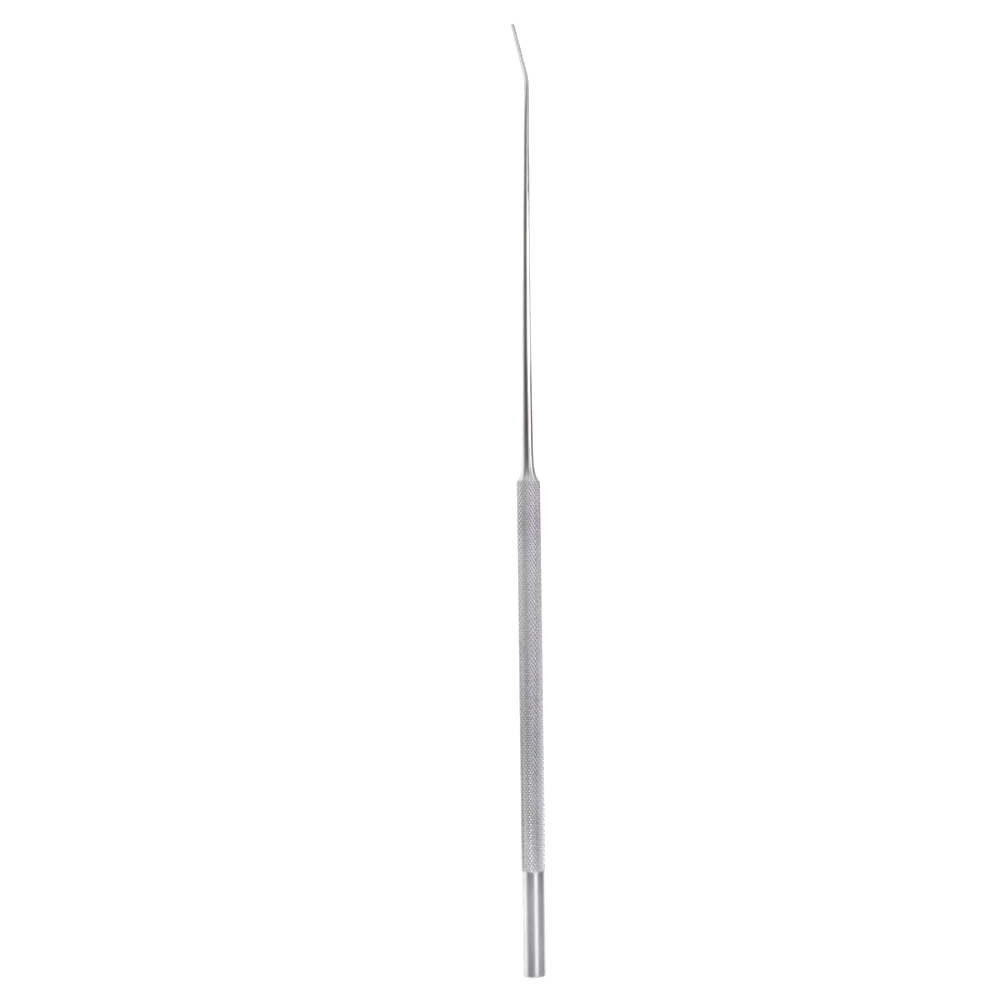
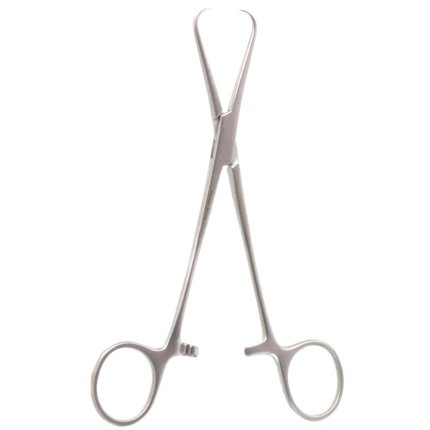
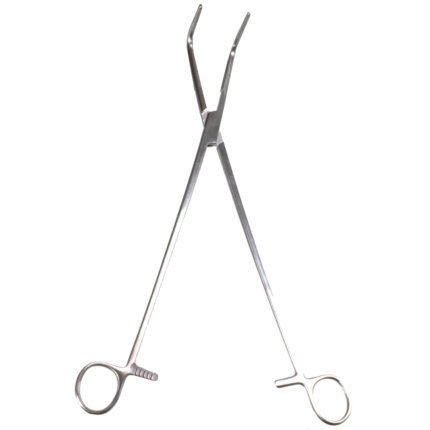
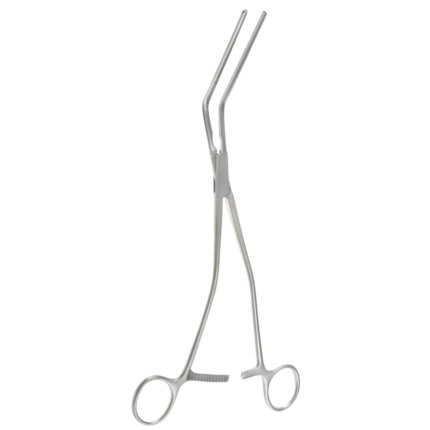
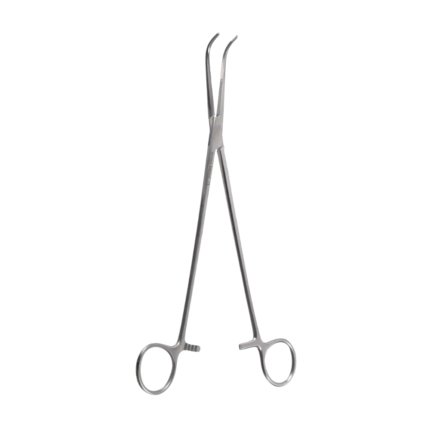
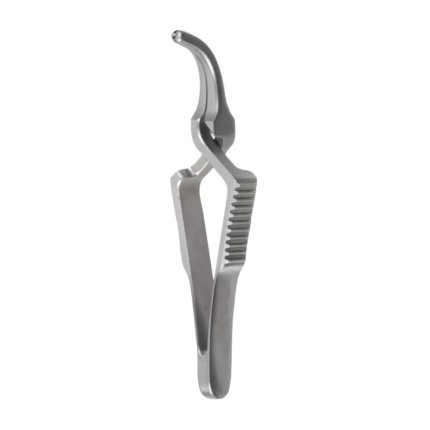
The Dissector Angled is a versatile surgical instrument designed to provide controlled blunt dissection and precise tissue plane separation in a wide range of surgical procedures. Its angled working tip allows improved access to deep, narrow, or anatomically complex regions where straight instruments may have limited reach or visibility.
The instrument features a finely crafted dissection tip designed to gently separate tissues along natural anatomical planes. This atraumatic design allows surgeons to mobilize soft tissues, fascia, and connective structures while minimizing trauma to surrounding anatomy. It is especially useful in procedures requiring careful development of tissue planes and controlled dissection around sensitive structures.
The angled configuration enhances maneuverability and visibility within confined surgical spaces. By changing the working angle, the surgeon can access areas around corners or obstructed regions without excessive tissue retraction. This improves precision and efficiency during dissection in complex anatomical environments.
Manufactured from premium surgical-grade stainless steel, the Angled Dissector offers excellent strength, corrosion resistance, and long-term durability. It is fully autoclavable and designed to maintain tip integrity and performance after repeated sterilization cycles. The satin anti-glare finish reduces reflection under operating room lighting, improving visualization during delicate procedures.
The ergonomically balanced handle provides a secure and comfortable grip, allowing for precise control and reduced hand fatigue during prolonged surgical procedures. Its lightweight construction ensures smooth handling and responsiveness during fine tissue manipulation.
The Angled Dissector is widely used across multiple surgical specialties including general surgery, plastic and reconstructive surgery, ENT surgery, orthopedic soft tissue procedures, and microsurgery. It is particularly valuable for blunt dissection, adhesiolysis, tissue plane development, and access to deep or restricted anatomical regions.
Key Features
- Premium surgical-grade stainless steel construction
- Angled tip for improved access in confined spaces
- Designed for blunt dissection and tissue separation
- Atraumatic design reduces tissue damage
- Excellent tactile feedback and control
- Ergonomic lightweight handle for reduced fatigue
- Satin anti-glare finish for better visibility
- Fully autoclavable and reusable
- Suitable for deep and complex surgical anatomy
- Versatile use across multiple surgical specialties
Product Specifications Table
| Specification | Details |
|---|---|
| Product Name | Angled Dissector |
| Material | Surgical Grade Stainless Steel |
| Instrument Type | Surgical Dissector |
| Tip Design | Angled Blunt Dissector Tip |
| Usage | Tissue dissection, separation, adhesiolysis, plane development |
| Reusability | Reusable |
| Sterilization | Autoclavable |
| Finish | Satin / Matte (Anti-Glare) |
| Application | General surgery, plastic surgery, ENT surgery, orthopedic surgery, microsurgery |
FAQs
1. What is an Angled Dissector used for?
It is used for blunt dissection and tissue separation in areas where angled access improves visibility and control.
2. Why is the angled design important?
The angled design allows surgeons to reach deep or obstructed anatomical regions without excessive tissue manipulation.
3. Is it suitable for delicate surgical work?
Yes. It is designed for controlled and atraumatic tissue plane separation in both soft and delicate structures.
4. What material is it made from?
It is typically made from surgical-grade stainless steel for durability and corrosion resistance.
5. Which surgical specialties use this instrument?
It is used in general surgery, plastic surgery, ENT, orthopedic soft tissue surgery, and microsurgical procedures.


Reviews
There are no reviews yet.