
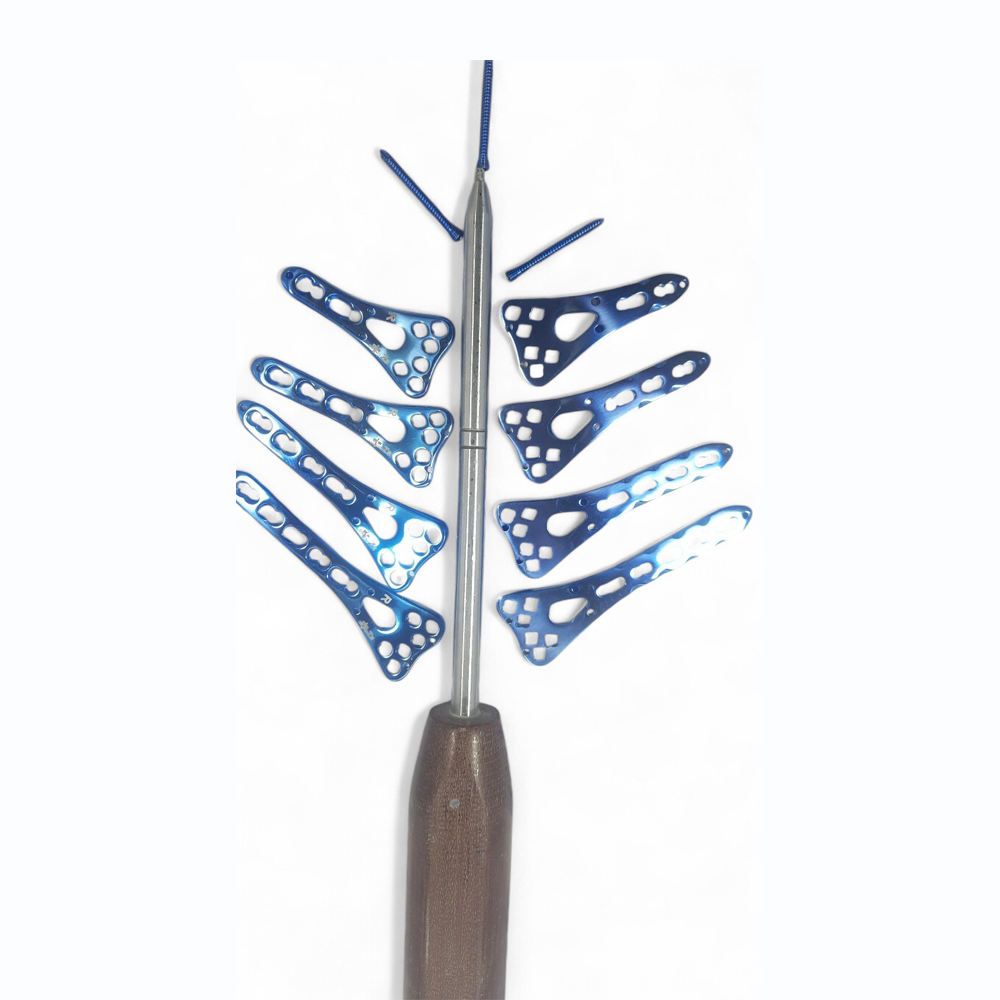
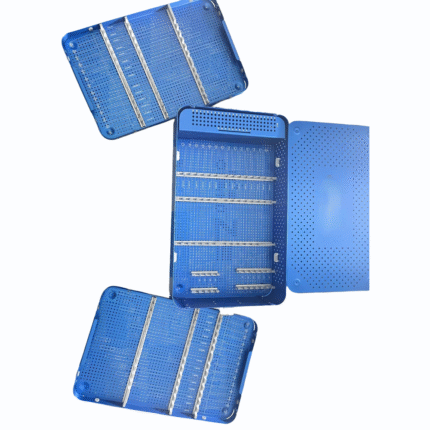
Distal Radius Volar Locking Plates 2 5 Hole Titanium are orthopedic fixation plates designed for surgical stabilization of appropriately selected distal radius fractures. Their volar plate configuration is intended to support fixation through the palmar aspect of the wrist, providing a specialized solution for fracture patterns requiring stable distal radius fixation.
The volar locking plate design incorporates locking screw technology, allowing compatible screws to engage with threaded plate holes and create a fixed-angle relationship. This can provide angular stability within the fixation construct and is particularly useful in selected distal radius fractures involving metaphyseal or periarticular bone. The exact fixation strategy should be determined according to fracture morphology, patient anatomy, bone quality, and the applicable surgical technique.
Available in left and right configurations, the plates are designed to correspond with the anatomical side of the distal radius. Correct laterality can help support appropriate positioning and anatomical conformity during surgery. The 2- to 5-hole configurations provide multiple options for selecting an appropriate plate length and fixation span according to the fracture pattern and available bone.
The plates are manufactured from titanium, a material widely used in orthopedic implant applications due to its combination of strength, relatively low density, corrosion resistance, and biocompatibility characteristics. Titanium construction can provide a favorable balance between mechanical performance and implant weight. The specific titanium grade and mechanical specifications should be verified against the manufacturer’s technical documentation for the individual product.
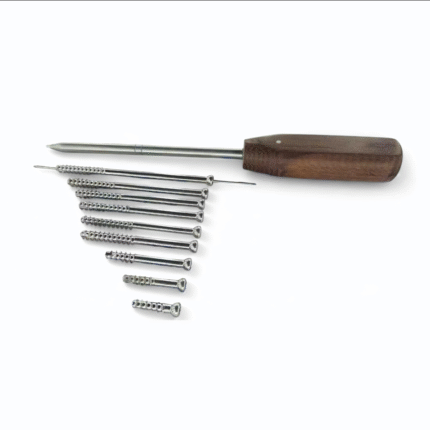
The supplied screws are intended to provide compatible fixation with the corresponding plates. Proper screw selection is essential to ensure secure locking engagement and appropriate bone purchase. Screw length should be selected according to bone thickness, fracture location, plate position, and the manufacturer’s recommended surgical technique. Compatible drilling guides, drivers, and other orthopedic instrumentation should be used where specified.
The 86-piece selection provides a broad range of distal radius volar plates and screws for orthopedic surgical facilities, hospitals, trauma centers, and medical implant suppliers. Having multiple left and right plate configurations and different hole counts allows surgical teams to select an appropriate construct according to the patient’s anatomy and intraoperative findings.
Volar locking plates may be considered for a range of appropriately selected distal radius fractures, including fractures where stable plate fixation is clinically indicated. The final implant choice and surgical approach must be determined by a qualified orthopedic surgeon following appropriate clinical and radiographic assessment. The plate should not be considered universally appropriate for every distal radius fracture.
During use, the plate should be positioned according to the manufacturer’s surgical technique, with care taken to avoid inappropriate placement or screw trajectory. Locking screws must engage the compatible threaded plate holes correctly. Improper screw selection, excessive force, incorrect drilling, or incompatible components may compromise the fixation construct.
Implants should be protected from contamination, deformation, scratching, and other physical damage during handling. Sterility requirements depend on the product configuration and manufacturer labeling. Sterile components should remain sealed until use, while reusable surgical instruments associated with the procedure should be cleaned, inspected, packaged, and sterilized according to validated healthcare-facility protocols.
With 2–5 hole configurations, left and right anatomical options, compatible screws, titanium construction, and an 86-piece selection, these Distal Radius Volar Locking Plates provide a versatile orthopedic fixation solution for professional distal radius fracture management.
Key Features
- Designed for distal radius fracture fixation.
- Volar plate configuration for palmar-side distal radius applications.
- Available in 2, 3, 4, and 5 hole configurations.
- Offered in left and right anatomical versions.
- Manufactured from titanium.
- Supplied with compatible fixation screws.
- Locking plate design supports angular-stable fixation when used with compatible screws.
- Multiple configurations provide flexibility for different fracture patterns.
- Designed for selected metaphyseal and periarticular distal radius fractures.
- 86-piece selection provides a broad range of plate and screw options.
- Compatible surgical instrumentation should be used according to the applicable technique.
- Suitable for professional orthopedic trauma and fracture fixation applications.
Product Specifications
| Specification | Details |
|---|---|
| Product Name | Distal Radius Volar Locking Plates |
| Anatomical Site | Distal Radius / Wrist |
| Plate Position | Volar |
| Hole Options | 2–5 Holes |
| Laterality | Left & Right |
| Screws | Included |
| Material | Titanium |
| Quantity | 86 Pieces |
| Fixation Type | Locking Plate Fixation |
| Application | Distal Radius Fracture Fixation |
| Surgical Specialty | Orthopedic Trauma |
| Plate Design | Volar Locking Plate |
| Intended Use | Professional orthopedic surgical applications |
| Instrument Compatibility | Use compatible plating instrumentation |
| Sterilization | Follow product-specific manufacturer instructions and validated protocols |
FAQs
1. What are Distal Radius Volar Locking Plates used for?
Distal Radius Volar Locking Plates are orthopedic implants designed to stabilize appropriately selected distal radius fractures using a volar plate fixation approach and compatible locking screws.
2. What hole configurations are available?
The product includes 2-, 3-, 4-, and 5-hole configurations, providing different plate options for varying fracture patterns, fixation spans, and patient anatomy.
3. Are left and right plates available?
Yes. The product includes left and right configurations, allowing selection according to the anatomical side of the distal radius being treated.
4. Are screws included with the plates?
Yes. The product title specifies that the set includes screws. Exact screw quantities, dimensions, and configurations should be confirmed against the manufacturer’s detailed product specification.
5. What material are these volar locking plates made from?
The plates are manufactured from titanium, a material commonly used for orthopedic implants because of its favorable strength-to-weight characteristics, corrosion resistance, and biocompatibility.
6. What is a volar locking plate?
A volar locking plate is an orthopedic fixation plate positioned on the palmar or volar aspect of the distal radius. Locking screw technology allows compatible screws to engage with threaded plate holes to create an angular-stable fixation construct.
7. What types of distal radius fractures can these plates treat?
Volar locking plates may be used for appropriately selected distal radius fractures where plate fixation is clinically indicated. The specific fracture pattern, bone quality, anatomy, and surgical requirements determine the appropriate implant.
8. What is the benefit of locking screws in distal radius fixation?
Locking screws can establish a fixed-angle relationship with the plate, providing angular stability within the fixation construct. This can be beneficial in selected distal radius fractures, particularly where stable fixation of metaphyseal or periarticular fragments is required.
9. How many pieces are included in the set?
The product is supplied as an 86-piece selection, consisting of the specified distal radius volar locking plates and screws.
10. Should compatible surgical instruments be used?
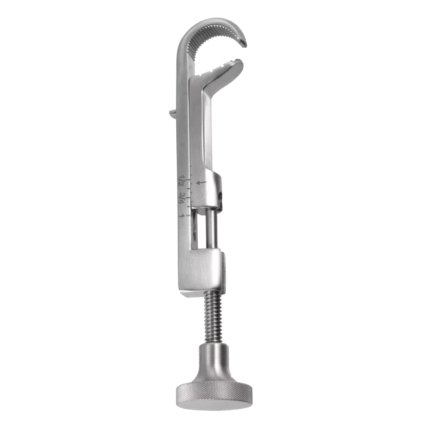
Yes. Compatible drilling guides, screwdrivers, drills, and other instrumentation should be used according to the applicable fixation system and manufacturer’s surgical technique to support accurate plate placement and screw insertion.

Reviews
There are no reviews yet.