
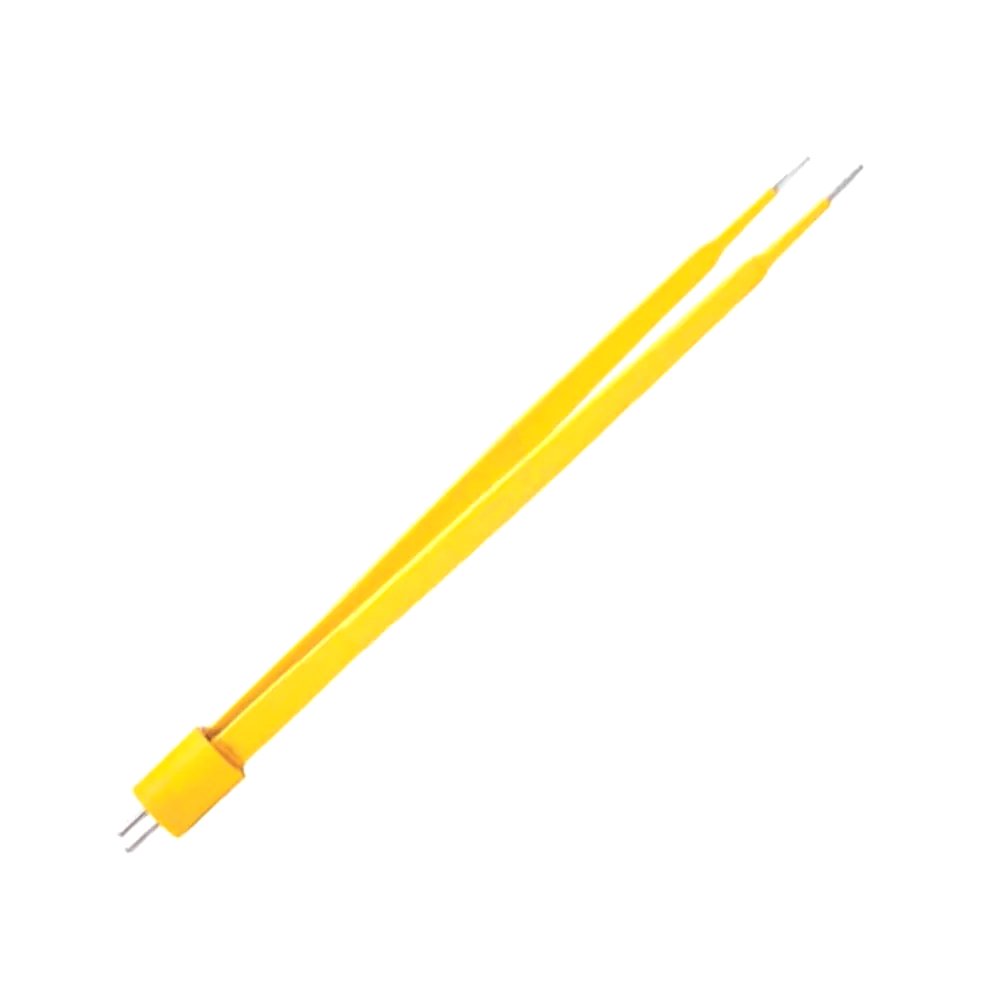
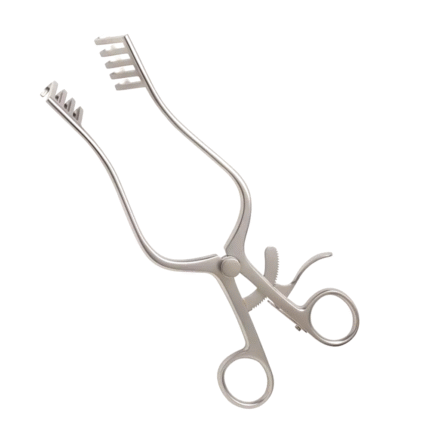

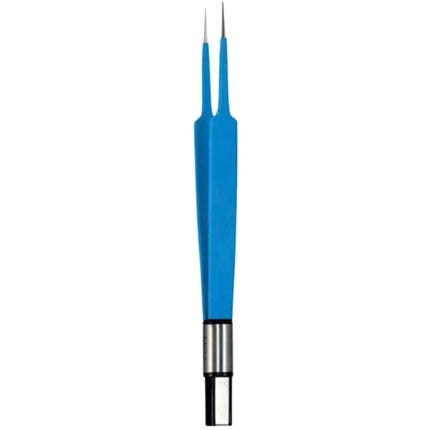
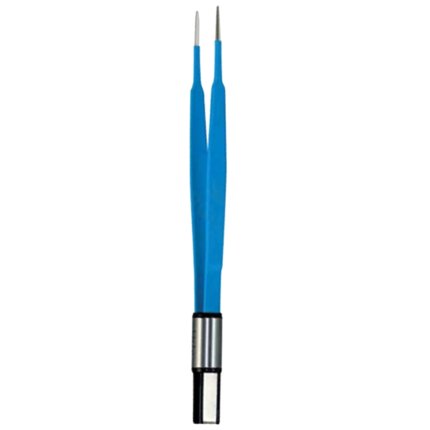
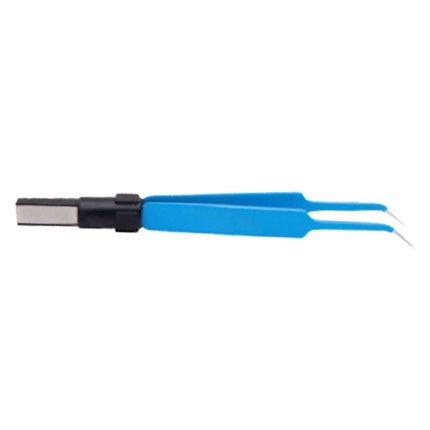
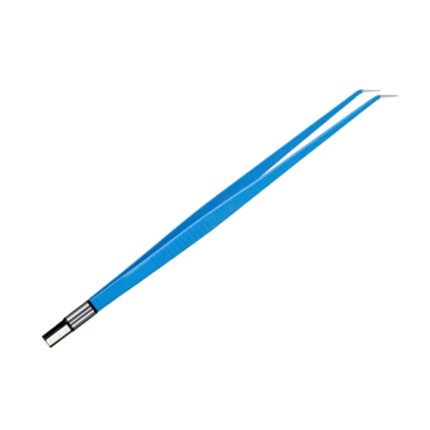
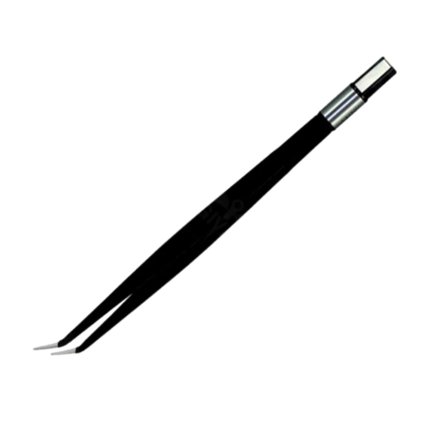
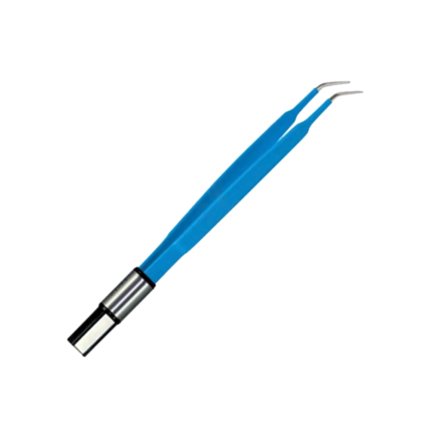
The Electro Surgical Gerald Straight Bipolar Forceps are high-precision electrosurgical instruments designed for controlled coagulation and fine tissue manipulation in a wide range of surgical procedures. Commonly used in neurosurgery, ENT, plastic surgery, and microsurgery, these forceps deliver reliable performance where accuracy and stability are essential.
The Gerald straight design provides a direct-access configuration, allowing surgeons to work efficiently in open or easily accessible surgical fields. This straight alignment ensures excellent control during delicate procedures, particularly when coagulating small vessels or handling fine tissue structures.
These forceps operate using bipolar electrosurgical technology, which allows electrical current to pass only between the two tips of the instrument. This eliminates the need for a grounding pad and significantly reduces the risk of unintended thermal injury to surrounding tissues, ensuring safer and more controlled surgical outcomes.
Manufactured from high-quality surgical-grade stainless steel, the Electro Surgical Gerald Straight Forceps offer excellent durability, corrosion resistance, and long-term reliability. They are designed to withstand repeated sterilization cycles while maintaining optimal performance in demanding operating room environments.
The precision-aligned tips provide accurate energy delivery, enabling effective coagulation with minimal thermal spread. This makes the instrument especially suitable for delicate microsurgical procedures where tissue preservation is critical.
The insulated shaft ensures that electrical energy is confined strictly to the working tips, improving safety and reducing unintended tissue damage. The ergonomic lightweight design enhances surgeon comfort and reduces fatigue during long or complex procedures.
The Electro Surgical Gerald Straight Forceps are fully compatible with standard bipolar electrosurgical units used in modern surgical settings. Their stable energy transmission and precise handling make them a dependable choice for controlled electrosurgical applications.
Whether used for fine vessel coagulation, tissue dissection, or microsurgical procedures, these forceps deliver consistent performance, safety, and precision.
Key Features
- Gerald straight design for direct surgical access
- High-quality surgical-grade stainless steel construction
- Bipolar technology eliminates need for grounding pad
- Ideal for neurosurgery, ENT, and microsurgery
- Precision-aligned tips for accurate coagulation
- Excellent corrosion resistance and durability
- Insulated shaft reduces thermal spread
- Lightweight ergonomic design for comfort
- Reusable and fully autoclavable instrument
- Stable and controlled energy delivery
- Suitable for delicate open surgical procedures
- Reliable performance in operating room environments
Product Specifications
| Specification | Details |
|---|---|
| Product Type | Bipolar Forceps |
| Application | Neurosurgery, ENT, Microsurgery, Plastic Surgery |
| Material | Medical Grade Stainless Steel |
| Finish | Satin / Polished Conductive Surface |
| Sterilization | Autoclavable |
| Reusability | Reusable |
| Specialty | Gerald Straight Design |
| Instrument Type | Electro Surgical Bipolar Forceps |
| Usage | Tissue coagulation and fine dissection |
| Product Contents | 1 x Bipolar Forceps Unit |
Applications
- Neurosurgical procedures
- ENT microsurgery
- Plastic and reconstructive surgery
- Fine vessel coagulation
- Open surgical field dissection
- Electrosurgical bleeding control
- Microsurgical precision procedures
FAQs
Q1: What is Gerald Straight Forceps used for?
A1: It is used for precise coagulation and fine tissue handling in electrosurgical procedures.
Q2: Do these forceps require a grounding pad?
A2: No, bipolar forceps do not require a grounding pad.
Q3: Are they reusable?
A3: Yes, they are fully reusable and designed for repeated autoclave sterilization.
Q4: What material are they made from?
A4: They are made from high-quality surgical-grade stainless steel.
Q5: What makes the straight design useful?
A5: It allows direct access and better control in open surgical fields.
Q6: Which specialties commonly use this instrument?
A6: Neurosurgery, ENT, plastic surgery, and microsurgery commonly use it.


Reviews
There are no reviews yet.