
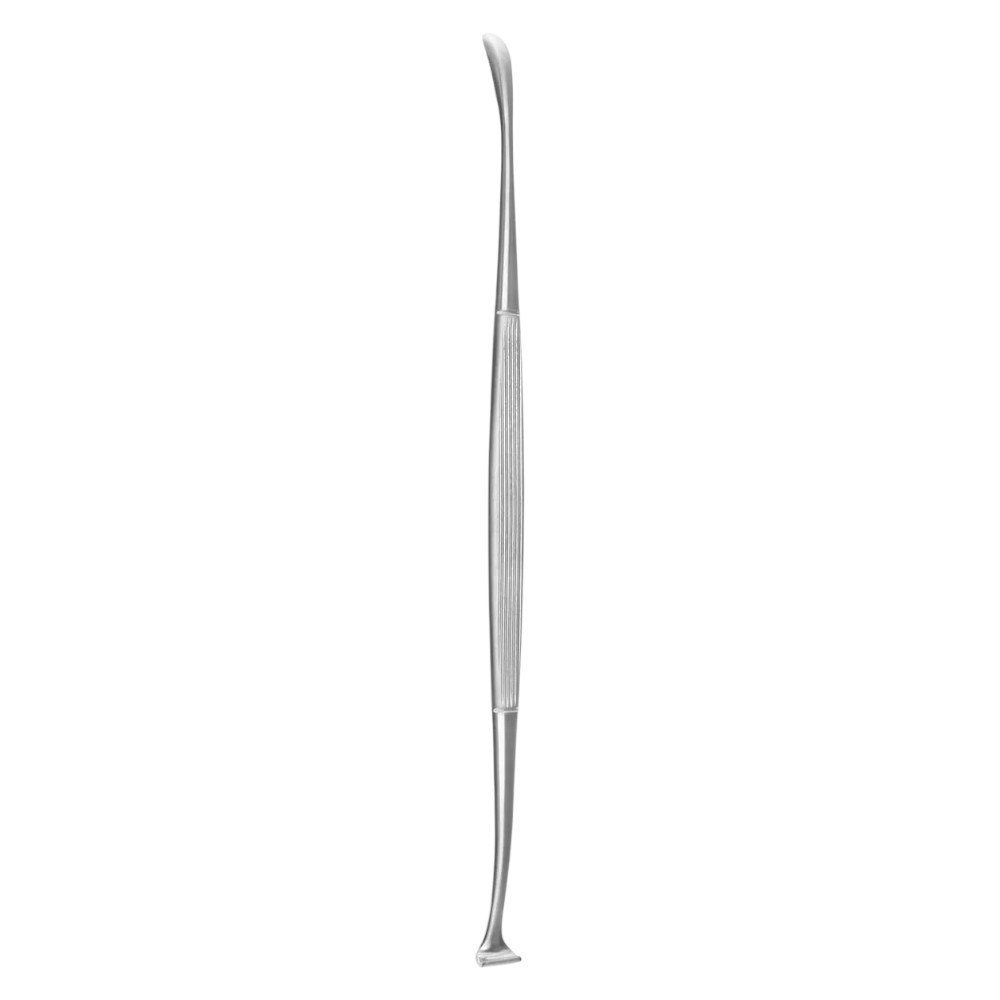


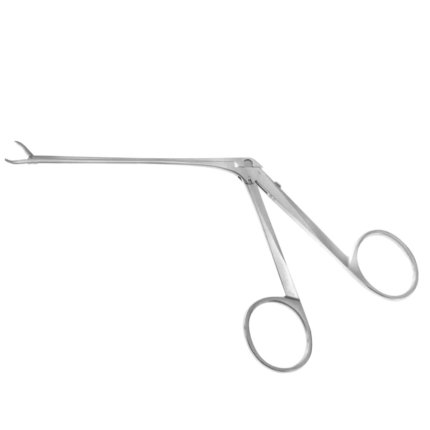
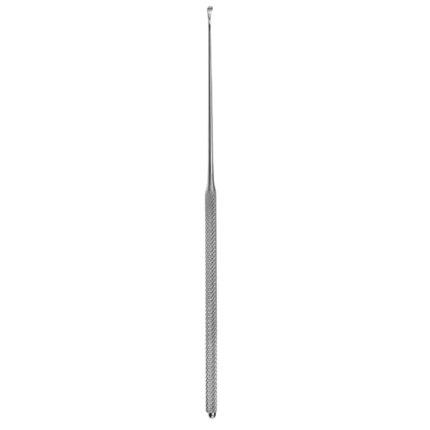
The ENT 8 7/8″ Morrison Hurd Dissector & Pillar Retractor is a premium-quality otolaryngology surgical instrument specifically engineered for tissue dissection and retraction during a wide range of ENT procedures. Combining two essential surgical functions into one instrument, it enables surgeons to perform delicate soft tissue dissection while simultaneously providing effective retraction of the tonsillar pillars and surrounding tissues. This dual-purpose design improves surgical efficiency by minimizing instrument exchanges during procedures.
Measuring 8 7/8 inches (approximately 22.5 cm) in length, the Morrison Hurd Dissector & Pillar Retractor provides excellent reach and balanced handling for procedures performed within the oral cavity and oropharynx. Its ergonomic length allows surgeons to access deeper anatomical structures comfortably while maintaining exceptional precision and control throughout surgery.
Manufactured from premium medical-grade surgical stainless steel, this instrument offers outstanding strength, corrosion resistance, and durability. The carefully machined working ends are designed for atraumatic tissue handling, allowing precise blunt dissection while minimizing unnecessary tissue trauma. The retractor end effectively retracts the anterior and posterior tonsillar pillars, providing improved exposure of the operative field for enhanced surgical accuracy.
The Morrison Hurd Dissector & Pillar Retractor is widely used during tonsillectomy, adenoidectomy, pharyngeal surgery, oral cavity procedures, and other otolaryngology operations. The dissector end assists in separating tissue planes and mobilizing soft tissue, while the retractor maintains consistent exposure of critical anatomical structures. This combination supports efficient dissection, improved visualization, and safer surgical workflow.
Its ergonomic handle provides a secure, comfortable grip, reducing hand fatigue during prolonged surgical procedures. The balanced construction enhances maneuverability and enables controlled instrument movement, even in confined operative spaces.
The instrument features a satin or matte finish that minimizes glare from operating room lighting and surgical headlamps, helping maintain clear visualization throughout delicate procedures. Its smooth finish also facilitates effective cleaning and decontamination following use.
Designed for repeated sterilization, the Morrison Hurd Dissector & Pillar Retractor is fully compatible with standard steam autoclave sterilization protocols. The premium stainless steel construction maintains structural integrity and precise functionality after numerous sterilization cycles, making it an economical and reliable choice for hospitals, surgical centers, and ENT specialty clinics.
Whether performing routine tonsil surgery or advanced oropharyngeal procedures, the ENT 8 7/8″ Morrison Hurd Dissector & Pillar Retractor delivers the precision, versatility, and durability expected by modern otolaryngology professionals.
Key Features
- Dual-ended dissector and pillar retractor design
- Overall length of 8 7/8″ (approximately 22.5 cm)
- Precision dissector for controlled blunt tissue separation
- Retractor end provides excellent tonsillar pillar exposure
- Manufactured from premium medical-grade surgical stainless steel
- Ergonomic balanced design for superior instrument control
- Atraumatic working ends minimize tissue damage
- Satin/matte finish reduces operating room glare
- Corrosion-resistant for extended clinical use
- Fully autoclavable and reusable
- Suitable for adult and pediatric ENT procedures
- Professional-quality instrument for hospitals and surgical centers
Product Specifications
| Specification | Details |
|---|---|
| Product Type | Dissector & Pillar Retractor |
| Application | Tissue Dissection and Soft Tissue Retraction |
| Material | Premium Medical Grade Surgical Stainless Steel |
| Finish | Satin / Matte Finish |
| Sterilization | Autoclavable |
| Reusability | Reusable |
| Specialty | ENT (Otolaryngology) |
| Instrument Type | Dual-Ended Surgical Instrument |
| Overall Length | 8 7/8″ (Approx. 22.5 cm) |
| Usage | Tonsillectomy, Adenoidectomy, Oropharyngeal Surgery |
Product Contents
- 1 × ENT 8 7/8″ Morrison Hurd Dissector & Pillar Retractor
- Individually inspected and securely packaged for professional medical use
Applications
The ENT 8 7/8″ Morrison Hurd Dissector & Pillar Retractor is commonly used for:
- Tonsillectomy
- Adenoidectomy
- Oropharyngeal surgery
- Tonsillar pillar retraction
- Blunt soft tissue dissection
- Pharyngeal surgery
- Oral cavity procedures
- Pediatric ENT surgery
- Adult ENT surgery
- Hospital operating rooms
- Ambulatory surgical centers
- ENT specialty clinics
FAQs
1. What is the Morrison Hurd Dissector & Pillar Retractor used for?
It is used for blunt tissue dissection and retraction of the tonsillar pillars during tonsillectomy, adenoidectomy, and other ENT surgical procedures.
2. What is the length of this instrument?
The instrument measures 8 7/8 inches (approximately 22.5 cm), providing excellent reach and control during oropharyngeal surgery.
3. What material is the Morrison Hurd Dissector & Pillar Retractor made from?
It is manufactured from premium medical-grade surgical stainless steel for durability, corrosion resistance, and reliable long-term performance.
4. Is this instrument reusable?
Yes. It is designed for repeated professional use and can be reprocessed according to standard hospital sterilization protocols.
5. Can this instrument be autoclaved?
Yes. The instrument is fully autoclavable and maintains its precision and structural integrity through repeated steam sterilization cycles.
6. Which surgical specialties commonly use this instrument?
It is primarily used in ENT (otolaryngology) procedures and is also suitable for oral and pharyngeal surgeries requiring tissue dissection and soft tissue retraction.
7. What are the benefits of the dual-ended design?
The dual-ended configuration combines a dissector and pillar retractor into one instrument, reducing instrument changes, improving surgical efficiency, and providing better exposure of the operative field during ENT procedures.

Reviews
There are no reviews yet.