


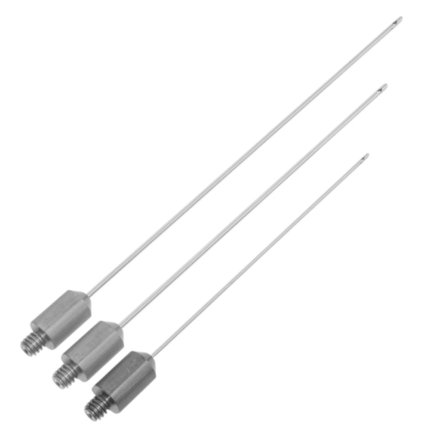
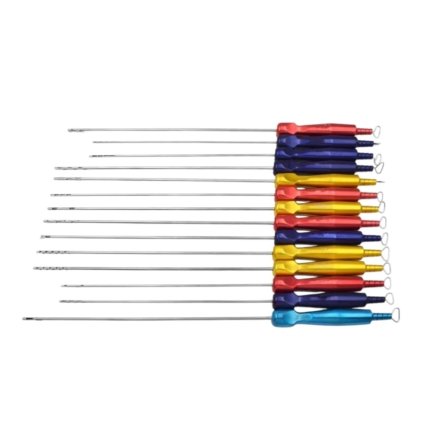
Liposuction cannulas are precision surgical instruments designed for efficient fat aspiration during cosmetic and reconstructive body contouring procedures. Because these instruments are repeatedly exposed to biological materials, proper cleaning, maintenance, and sterilization are critical to preserve their performance, functionality, and safety. A well-maintained liposuction cannula provides consistent suction efficiency, smooth tissue movement, and reliable results during surgical procedures.
Professional care of liposuction cannulas begins immediately after use. Any remaining tissue residue, fat particles, or biological material should be removed promptly to prevent drying and buildup inside the cannula openings and internal channels. Delayed cleaning can make contamination removal more difficult and may affect instrument performance over time.
Proper Cleaning Process for Liposuction Cannulas
The first step in maintaining liposuction cannulas is thorough pre-cleaning. The instrument should be flushed and rinsed according to recommended surgical instrument cleaning protocols. Using appropriate medical-grade cleaning solutions helps remove organic materials without damaging the stainless steel surface or cannula structure.
Manual cleaning with suitable soft brushes may be required for removing debris from internal passages and side ports. Avoid using abrasive materials that can scratch the polished finish, as surface damage may create areas where contaminants can accumulate.
After cleaning, liposuction cannulas should be carefully inspected for any signs of blockage, bending, corrosion, or mechanical damage. The cannula tip, openings, handle connection, and tubing adapters should be checked to ensure proper function before sterilization.
Sterilization and Infection Control
Sterilization is one of the most important steps in liposuction cannula maintenance. High-quality surgical cannulas are commonly manufactured from medical-grade stainless steel, allowing them to withstand repeated sterilization cycles when handled correctly.
Before sterilization, instruments must be completely clean and dry. Following the manufacturer’s recommended sterilization guidelines helps maintain the cannula’s surface finish, structural integrity, and surgical reliability.
Proper sterilization practices reduce the risk of cross-contamination and ensure that liposuction instruments remain safe for repeated clinical use in plastic surgery, cosmetic surgery, and body contouring procedures.
Storage and Handling Recommendations
Correct storage plays an important role in extending the lifespan of liposuction cannulas. After sterilization, instruments should be stored in a clean, dry surgical environment using protective cases or sterilization trays.
Avoid placing heavy instruments on top of delicate cannula tips, as excessive pressure may cause deformation. Organized storage also makes it easier for surgical teams to identify the required cannula size, length, and configuration before procedures.
Benefits of Proper Cannula Maintenance
Regular maintenance provides several advantages, including improved suction performance, reduced risk of instrument failure, and extended product lifespan. Well-maintained liposuction cannulas maintain their smooth surface, precise openings, and ergonomic handling characteristics.
For plastic surgeons and cosmetic surgery professionals, reliable surgical instruments contribute to efficient workflow and consistent procedural outcomes. Investing time in proper cleaning and care helps protect the value of reusable liposuction equipment while supporting high standards of surgical hygiene.
High-quality liposuction cannulas are essential tools for procedures such as abdominal liposuction, thigh contouring, buttock reshaping, facial fat removal, and fat transfer treatments. With correct maintenance, these precision instruments can deliver dependable performance throughout many surgical applications.
Key Features
- Expert maintenance guidance for reusable liposuction cannulas
- Helps improve surgical instrument performance and reliability
- Covers professional cleaning and sterilization practices
- Supports longer lifespan of stainless steel cannula systems
- Prevents residue buildup inside aspiration channels
- Maintains smooth cannula surface and precision openings
- Suitable for plastic surgery and body contouring applications
- Provides safe handling and storage recommendations
- Helps reduce contamination risks during surgical procedures
- Designed for medical professionals using liposuction equipment
Product Specifications Table
| Specification | Details |
|---|---|
| Product Type | Liposuction Cannula Maintenance & Cleaning Guide |
| Application | Cleaning, maintenance, and sterilization of surgical cannulas |
| Material | Medical-grade stainless steel instruments |
| Finish | Polished surgical-grade finish |
| Sterilization | Compatible with standard medical sterilization procedures |
| Reusability | Designed for reusable surgical instruments |
| Specialty | Plastic Surgery / Cosmetic Surgery Equipment Care |
| Instrument Type | Liposuction Cannula Care & Maintenance Resource |
| Usage | Professional surgical instrument maintenance |
Product Contents
- Expert guide for liposuction cannula maintenance
- Cleaning procedure recommendations
- Sterilization and storage instructions
- Professional care guidelines for reusable cannula systems
Applications
Liposuction cannula maintenance practices are used in:
- Cosmetic liposuction procedures
- Abdominal fat removal surgery
- Thigh and hip contouring procedures
- Buttock reshaping and body sculpting
- Facial fat extraction and fat transfer procedures
- Plastic and reconstructive surgery applications
- Aesthetic surgery clinics and hospitals
FAQs
1. Why is proper cleaning important for liposuction cannulas?
Proper cleaning removes biological residue and helps maintain safe, reliable surgical performance during repeated procedures.
2. What material are professional liposuction cannulas usually made from?
Most surgical liposuction cannulas are manufactured from high-quality medical-grade stainless steel for durability and corrosion resistance.
3. Can liposuction cannulas be reused after sterilization?
Yes, many professional liposuction cannulas are designed for repeated use when properly cleaned, inspected, and sterilized.
4. How should cannula openings be cleaned?
Cannula openings and internal channels should be cleaned using appropriate medical cleaning tools and recommended procedures to remove trapped debris.
5. How does maintenance improve liposuction performance?
Regular maintenance helps preserve suction efficiency, instrument accuracy, and smooth handling during surgical procedures.
6. Where are liposuction cannulas commonly used?
They are widely used in plastic surgery clinics, cosmetic surgery centers, hospitals, and aesthetic medical facilities.
7. How should liposuction cannulas be stored after sterilization?
Cannulas should be stored in clean, dry environments using protective trays or cases to prevent damage and contamination.


Reviews
There are no reviews yet.