
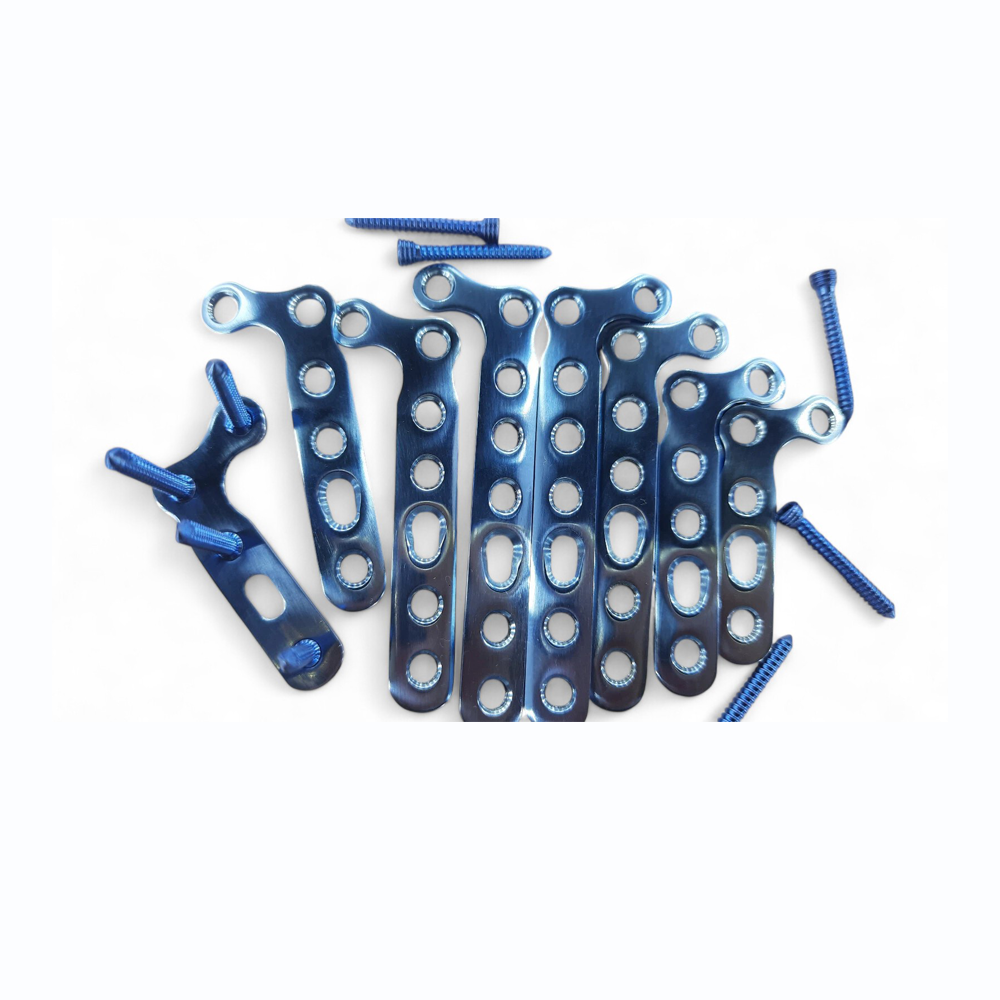

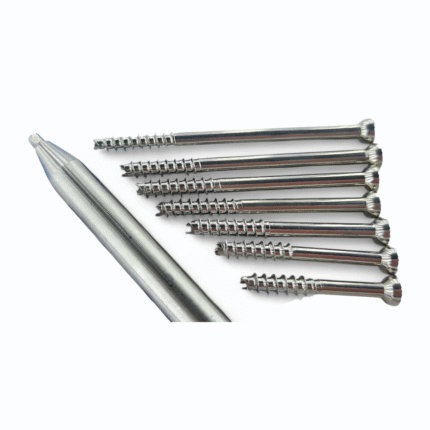
The Locking Dorsal Distal Radius L Oblique Plate 2.7mm is an orthopedic fixation solution designed for surgical management of distal radius fractures requiring anatomically appropriate plate positioning and locking screw fixation. The plate incorporates an L-shaped oblique configuration intended to support fixation around the dorsal aspect of the distal radius, where specialized plate geometry can be important for addressing fracture patterns and maintaining appropriate fixation.
Designed for use with 2.7 mm locking screws, this distal radius plate provides a locking fixation interface that can support angular stability between the plate and compatible screws. Locking plate technology is particularly useful in fracture fixation when stable fixation is required in metaphyseal or periarticular bone, subject to appropriate surgical technique, fracture characteristics, and surgeon judgment.
The dorsal distal radius L oblique design provides a specialized configuration for orthopedic procedures involving the distal radius. Its geometry is intended to help accommodate the anatomy of the wrist region while providing a platform for screw fixation. The 3- to 6-hole configurations allow selection of an appropriate plate option according to fracture location, required fixation span, bone quality, and surgical planning.
Constructed from titanium, the plates offer a combination of strength, low density, corrosion resistance, and biocompatibility characteristics that make titanium widely used in orthopedic implant applications. Titanium construction can also provide a favorable balance between mechanical performance and implant weight. The exact grade, mechanical properties, surface finish, and implant specifications should be verified against the manufacturer’s technical documentation for the specific product.
The 39-piece set includes multiple plate and screw configurations, giving orthopedic surgical facilities a practical selection for different distal radius fracture fixation requirements. Having several plate sizes and compatible screws available can assist surgical teams in selecting an appropriate construct based on patient anatomy and intraoperative findings.
This distal radius locking plate system may be considered for fixation of appropriately selected distal radius fractures, including fracture patterns where dorsal fixation is clinically indicated. The final implant selection and fixation technique should always be determined by a qualified orthopedic surgeon based on radiographic evaluation, fracture morphology, bone quality, soft-tissue considerations, and the manufacturer’s approved surgical technique.
The plates and screws should be handled using appropriate surgical techniques to prevent contamination, scratching, deformation, or other damage before implantation. Surgical instruments used for plate preparation, positioning, drilling, and screw insertion should be compatible with the fixation system. Proper instrumentation is important for achieving accurate plate placement and screw trajectory.
For reusable surgical instruments associated with the system, cleaning, inspection, packaging, and sterilization should follow validated healthcare-facility procedures and the manufacturer’s instructions. Implant components must be processed and handled according to their specific labeling and applicable regulatory requirements. Sterility and packaging integrity should be verified before clinical use.
With its 2.7 mm locking screw compatibility, dorsal distal radius L oblique configuration, 3–6 hole options, titanium construction, and 39-piece selection, this system provides a specialized orthopedic plating option for professional distal radius fracture fixation procedures.
Key Features
- Specialized dorsal distal radius L oblique plate configuration.
- Designed for use with compatible 2.7 mm locking screws.
- Available in 3–6 hole configurations.
- Manufactured from titanium for orthopedic implant applications.
- Supplied as a comprehensive 39-piece plate and screw set.
- Designed for distal radius fracture fixation procedures.
- Locking screw interface supports angular-stable fixation when used with compatible components.
- L-oblique geometry provides a specialized option for dorsal wrist fixation.
- Multiple plate configurations support different fracture patterns and fixation spans.
- Suitable for professional orthopedic trauma and fracture fixation applications.
- Titanium construction offers corrosion resistance and favorable implant-weight characteristics.
- Compatible instrumentation should be used according to the applicable surgical technique.
Product Specifications
| Specification | Details |
|---|---|
| Product Name | Locking Dorsal Distal Radius L Oblique Plate |
| Application | Distal Radius Fracture Fixation |
| Plate Design | Dorsal L Oblique |
| Screw Size | 2.7 mm |
| Hole Configuration | 3–6 Holes |
| Included Screws | Yes |
| Material | Titanium |
| Quantity | 39 Pieces |
| Fixation Type | Locking Plate Fixation |
| Anatomical Region | Distal Radius / Wrist |
| Product Category | Orthopedic Trauma Implant / Fixation Plate |
| Intended Application | Professional orthopedic fracture fixation |
| Instrument Compatibility | Use compatible orthopedic plating instrumentation |
| Sterilization | Follow applicable manufacturer instructions and validated protocols |
FAQs
1. What is a Locking Dorsal Distal Radius L Oblique Plate?
A Locking Dorsal Distal Radius L Oblique Plate is an orthopedic fixation plate designed for surgical stabilization of appropriately selected distal radius fractures. Its L-oblique configuration is intended for dorsal fixation around the distal radius.
2. What size screws are used with this distal radius plate?
The system is designed for use with 2.7 mm locking screws. Compatibility should be confirmed with the specific plate, screw, and instrumentation system before clinical use.
3. What material is the distal radius plate made from?
The plate is manufactured from titanium, a material widely used in orthopedic implant applications because of its corrosion resistance, favorable mechanical properties, and biocompatibility characteristics.
4. How many holes are available in the plates?
The product includes 3- to 6-hole configurations, allowing surgeons to select an appropriate plate length and fixation span according to the fracture and patient anatomy.
5. How many pieces are included in the set?
The product is supplied as a 39-piece set, including the specified distal radius plates and compatible screws.
6. What fractures can a dorsal distal radius plate be used for?
Dorsal distal radius locking plates may be used for appropriately selected distal radius fractures where dorsal fixation is clinically indicated. The surgeon determines the appropriate implant based on fracture morphology, anatomy, bone quality, and surgical requirements.
7. What are the advantages of locking screws in distal radius fixation?
Locking screws engage with the plate to create a fixed-angle relationship between the screw and plate. This can provide angular stability and is useful in selected fracture fixation constructs, particularly where stable fixation in metaphyseal or periarticular bone is required.
8. Is titanium suitable for orthopedic fixation implants?
Titanium is widely used in orthopedic implant manufacturing because it combines favorable strength-to-weight characteristics, corrosion resistance, and biocompatibility. The specific titanium grade and properties should be confirmed from the manufacturer’s documentation.
9. Should the plate be sterilized before use?
Processing requirements depend on the specific device and manufacturer labeling. Implant components and reusable surgical instruments should be handled according to their validated instructions, applicable regulatory requirements, and healthcare-facility protocols.

Reviews
There are no reviews yet.