
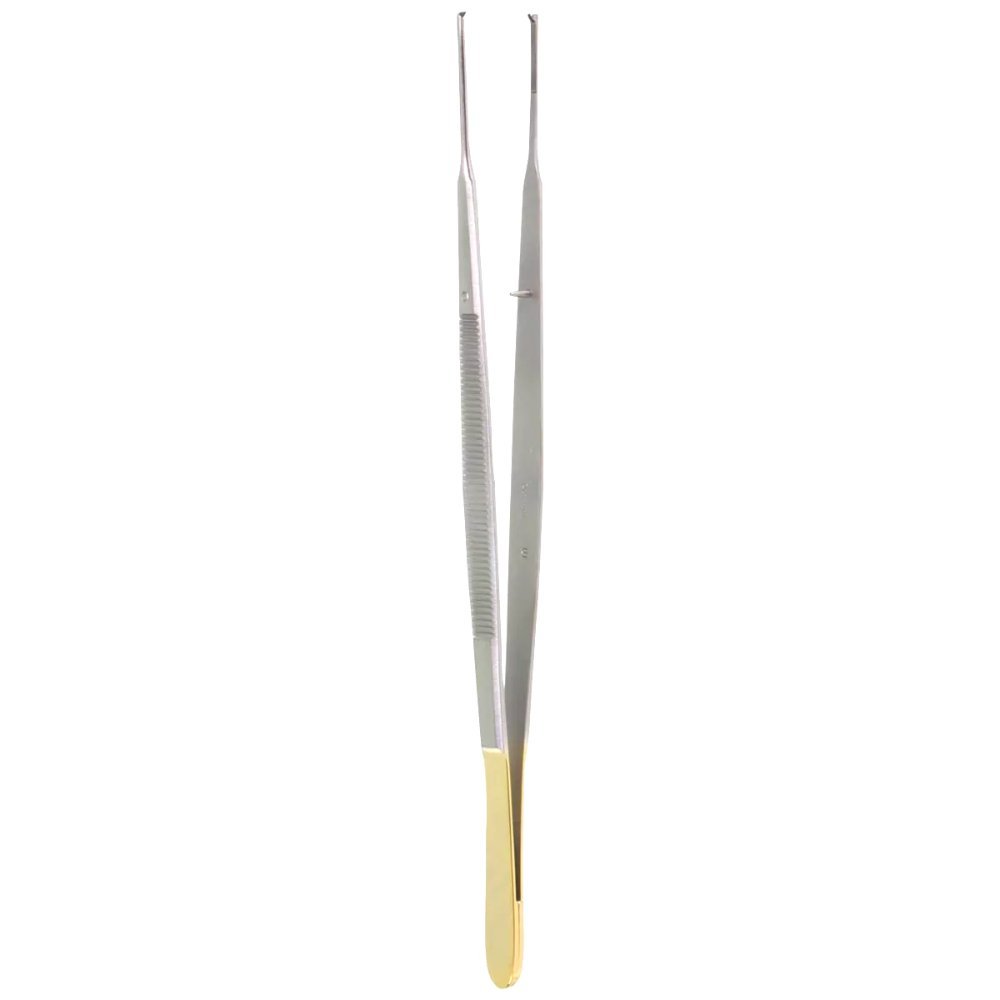
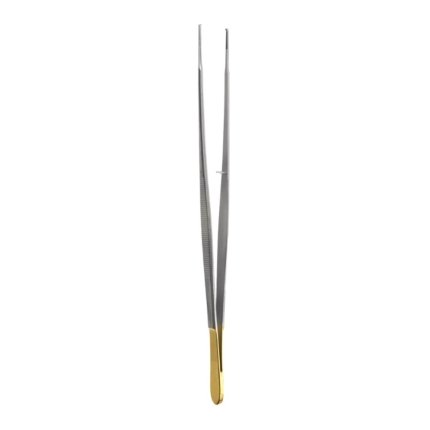

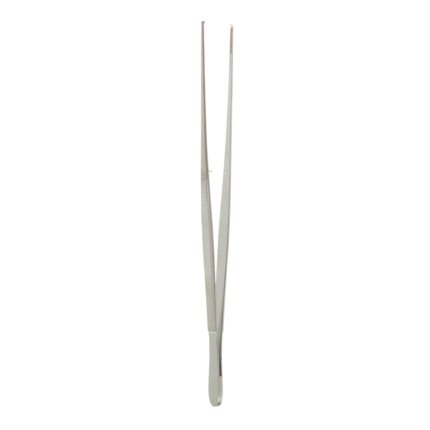
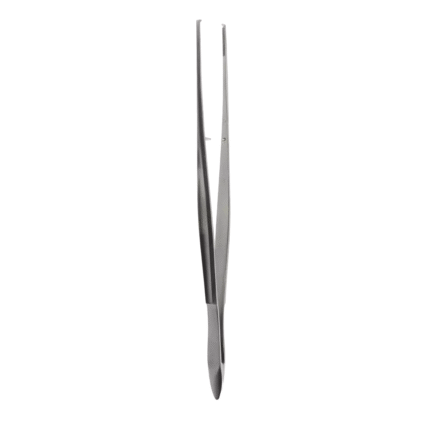
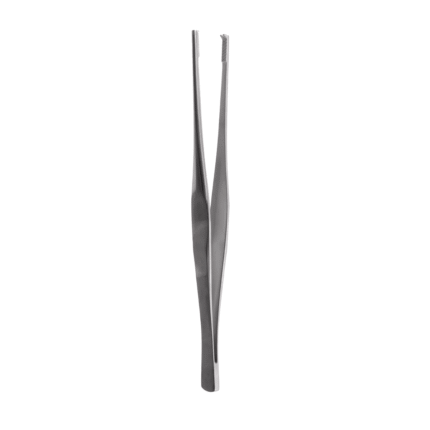
The Neurosurgery Surgical 7” Gerald GG Tissue Forceps (1mm, 1×2 Teeth) are premium microsurgical instruments engineered to meet the demanding precision requirements of neurosurgery, microsurgery, and other delicate surgical specialties. Designed for atraumatic tissue manipulation, these forceps feature fine 1mm tips and a precision 1×2 teeth configuration, allowing surgeons to securely grasp delicate tissues while preserving surrounding anatomical structures. Their exceptional craftsmanship and ergonomic design make them an indispensable instrument for procedures requiring meticulous accuracy.
With an overall length of 7 inches, these forceps provide the ideal balance of control, reach, and maneuverability. Their compact profile enables surgeons to work efficiently within confined operative fields while maintaining excellent visualization and unrestricted movement. The lightweight, balanced design enhances precision during delicate surgical maneuvers, making the instrument particularly suitable for intricate cranial, spinal, and microsurgical procedures.
The 1mm fine tips are specifically designed for handling fragile tissues with exceptional accuracy. Combined with the 1×2 teeth configuration, they provide a secure yet atraumatic grip that minimizes tissue slippage while reducing unnecessary compression. This design allows surgeons to perform fine dissections, stabilize delicate tissues, and manipulate small anatomical structures with confidence, contributing to improved surgical precision and patient safety.
Manufactured from premium surgical-grade stainless steel, the Neurosurgery Surgical 7” Gerald GG Tissue Forceps (1mm, 1×2 Teeth) offer outstanding corrosion resistance, durability, and long-term reliability. The high-quality material maintains precise jaw alignment and smooth operation even after repeated steam autoclave sterilization and standard hospital reprocessing. Precision manufacturing ensures dependable performance throughout the instrument’s service life.
The ergonomic handle design enhances surgeon comfort during extended procedures by minimizing hand fatigue and improving tactile feedback. The balanced construction supports precise hand movements, allowing controlled tissue manipulation with minimal effort. This ergonomic performance is especially beneficial during lengthy neurosurgical operations where consistent accuracy is essential.
These forceps are widely used in cranial neurosurgery, spinal surgery, microsurgery, vascular surgery, peripheral nerve surgery, ophthalmic procedures, and reconstructive surgery. They are ideal for grasping delicate soft tissues, assisting with microdissection, manipulating fine vascular structures, and performing precision tissue handling in complex surgical procedures. Their versatility makes them a valuable component of advanced microsurgical and neurosurgical instrument sets.
The satin finish minimizes glare under operating room lighting while facilitating efficient cleaning and sterilization. Fully compatible with steam autoclave sterilization and other approved hospital sterilization methods, these forceps maintain their structural integrity and precise performance through repeated sterilization cycles.
Every Neurosurgery Surgical 7” Gerald GG Tissue Forceps (1mm, 1×2 Teeth) is manufactured under strict quality control standards to ensure accurate jaw alignment, smooth operation, and reliable clinical performance. Combining premium materials, precision engineering, ergonomic handling, and fine microsurgical tips, these forceps deliver the accuracy and dependability required by modern surgical professionals.
Whether used during delicate cranial procedures, spinal decompressions, vascular microsurgery, or peripheral nerve repairs, the Neurosurgery Surgical 7” Gerald GG Tissue Forceps (1mm, 1×2 Teeth) provide the precision, stability, and atraumatic tissue control essential for achieving optimal surgical outcomes.
Key Features
- Designed for delicate neurosurgical and microsurgical tissue handling
- 7-inch length provides excellent maneuverability and precision
- Fine 1mm tips allow accurate manipulation of delicate tissues
- 1×2 teeth configuration ensures secure and atraumatic tissue grasping
- Manufactured from premium surgical-grade stainless steel
- Precision-aligned jaws provide consistent gripping performance
- Corrosion-resistant construction for long-term durability
- Ergonomic handle minimizes hand fatigue during prolonged procedures
- Satin finish reduces glare and supports easy cleaning
- Fully reusable and compatible with standard autoclave sterilization
- Suitable for neurosurgery, microsurgery, spinal surgery, vascular surgery, and peripheral nerve procedures
- Professional-grade construction for hospitals and surgical centers
Product Specifications
| Specification | Details |
|---|---|
| Product Name | Neurosurgery Surgical 7” Gerald GG Tissue Forceps (1mm, 1×2 Teeth) |
| Instrument Type | Tissue Forceps |
| Overall Length | 7 Inches |
| Tip Size | 1 mm |
| Jaw Configuration | 1×2 Teeth |
| Material | Premium Surgical Grade Stainless Steel |
| Finish | Satin Finish |
| Specialty | Neurosurgery |
| Applications | Tissue Grasping, Microsurgery, Fine Tissue Manipulation |
| Sterilization | Autoclave Sterilizable |
| Reusable | Yes |
| Corrosion Resistant | Yes |
| Latex Free | Yes |
FAQs
1. What are the Neurosurgery Surgical 7” Gerald GG Tissue Forceps (1mm, 1×2 Teeth) used for?
These forceps are used for grasping and manipulating delicate tissues during neurosurgery, microsurgery, spinal surgery, vascular surgery, and peripheral nerve procedures.
2. What is the benefit of the 1mm fine tips?
The 1mm tips allow surgeons to handle delicate anatomical structures with exceptional precision while minimizing trauma to surrounding tissues.
3. What is the advantage of the 1×2 teeth configuration?
The 1×2 teeth provide a secure grip on tissue while reducing slippage and helping preserve tissue integrity during delicate surgical procedures.
4. Can these forceps be sterilized and reused?
Yes. They are fully reusable and compatible with steam autoclave sterilization and standard hospital sterilization protocols.
5. Which surgical specialties commonly use these forceps?
These forceps are widely used in neurosurgery, microsurgery, spinal surgery, vascular surgery, peripheral nerve surgery, ophthalmic surgery, and reconstructive procedures requiring precise tissue handling.



Reviews
There are no reviews yet.