
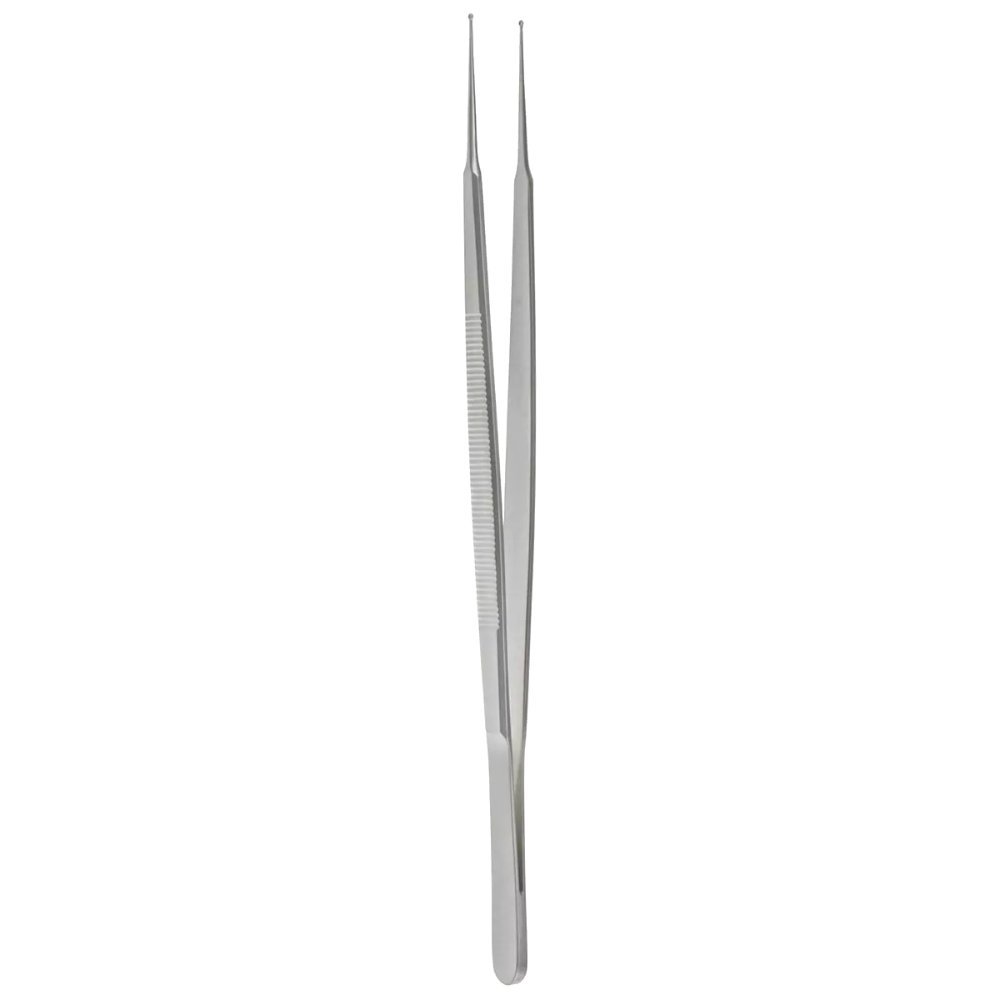
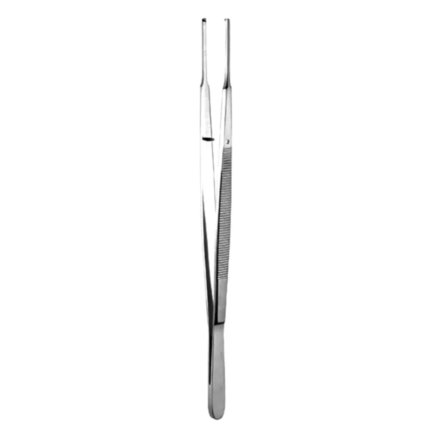
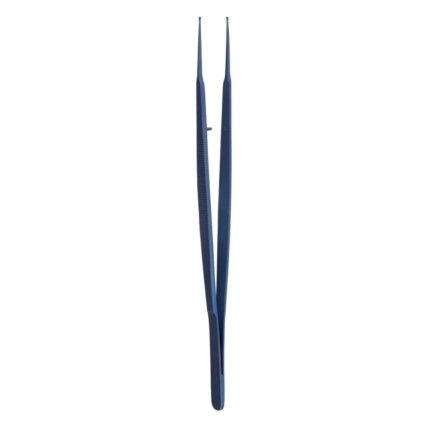
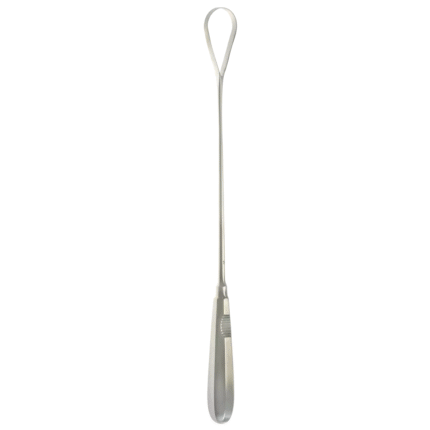
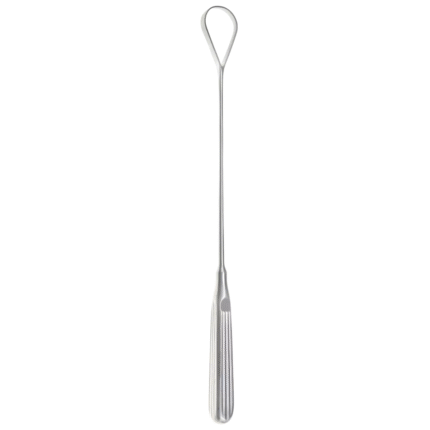
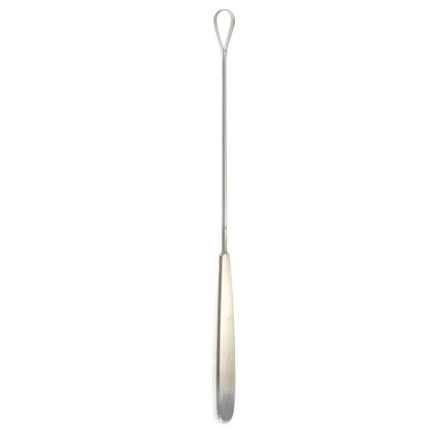
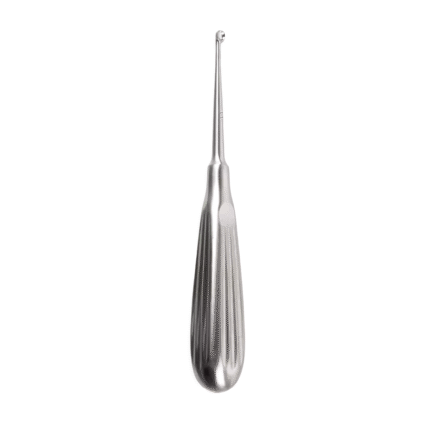
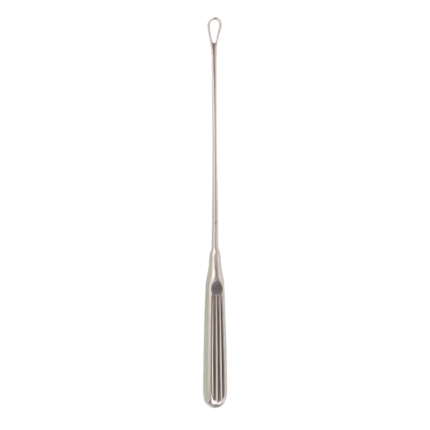
The Neurosurgery Surgical 7” Gerald Ring Tip Forceps 1mm Tip is a premium microsurgical instrument specifically designed for precise tissue manipulation during complex neurosurgical, spinal, cranial, and microvascular procedures. Engineered for maximum control and accuracy, this forceps enables surgeons to perform delicate surgical tasks while minimizing trauma to fragile tissues and surrounding anatomical structures.
Gerald forceps are among the most widely used microsurgical instruments due to their exceptional precision and reliable performance. The 7-inch Gerald Ring Tip Forceps offers an ideal combination of maneuverability and stability, making it suitable for procedures performed under operating microscopes and surgical magnification. Its compact size allows surgeons to work comfortably within narrow operative fields while maintaining complete control throughout intricate dissections and tissue manipulation.
The finely crafted 1mm ring tips are specifically designed to securely grasp delicate tissues, blood vessels, nerves, and microsurgical materials without excessive compression. This atraumatic design helps preserve tissue integrity while providing a firm and controlled grip during complex neurosurgical procedures. The ring tip configuration also enhances visualization by allowing surgeons to clearly identify tissue planes and anatomical landmarks during surgery.
Manufactured from premium surgical-grade stainless steel, the Neurosurgery Surgical 7” Gerald Ring Tip Forceps 1mm Tip offers outstanding corrosion resistance, durability, and long-term reliability. Precision machining ensures accurate tip alignment and smooth instrument action throughout repeated clinical use. The high-quality stainless steel construction withstands continuous sterilization cycles without compromising performance, making it a dependable instrument for demanding operating room environments.
The lightweight ergonomic handle provides excellent balance and comfortable handling during extended procedures. Its carefully engineered design minimizes hand fatigue while maximizing tactile sensitivity, allowing surgeons to perform precise movements with confidence. Enhanced tactile feedback is particularly valuable during microsurgical procedures where delicate tissue discrimination is essential for successful outcomes.
This versatile microsurgical forceps is routinely used in brain surgery, spinal decompression, cervical and lumbar procedures, skull base surgery, aneurysm repair, peripheral nerve surgery, microvascular reconstruction, and tumor resections. Beyond neurosurgery, it is also suitable for orthopedic spine surgery, plastic and reconstructive microsurgery, ENT procedures, vascular surgery, and ophthalmic microsurgery where meticulous tissue handling is required.
The instrument is fully compatible with standard hospital sterilization methods, including steam autoclaving, ensuring compliance with modern infection prevention protocols. Its reusable design provides excellent long-term value while maintaining consistent precision and dependable performance over years of clinical use.
Healthcare professionals trust the Neurosurgery Surgical 7” Gerald Ring Tip Forceps 1mm Tip for its superior craftsmanship, precise engineering, and dependable functionality. Whether performing highly complex neurological procedures or routine microsurgical interventions, this forceps delivers the precision and control required to support optimal surgical outcomes.
Designed for hospitals, neurosurgical centers, ambulatory surgical facilities, and medical teaching institutions, this instrument represents an essential component of any advanced microsurgical instrument set. Its exceptional durability, ergonomic handling, and precision tip design make it an excellent choice for surgeons who demand reliable performance in every procedure.
Key Features
- Precision 1mm ring tips for delicate tissue manipulation
- Compact 7-inch length for enhanced surgical maneuverability
- Designed for neurosurgical and microsurgical procedures
- Atraumatic tip design helps minimize tissue injury
- Excellent tactile feedback for precise tissue handling
- Lightweight ergonomic construction reduces hand fatigue
- Premium surgical-grade stainless steel construction
- Precision-machined tips ensure consistent alignment
- Corrosion-resistant for long-term clinical use
- Satin finish minimizes glare under operating lights
- Fully reusable and autoclavable
- Ideal for hospitals, surgical centers, and specialty clinics
Product Specifications
| Specification | Details |
|---|---|
| Product Name | Neurosurgery Surgical 7” Gerald Ring Tip Forceps 1mm Tip |
| Specialty | Neurosurgery |
| Instrument Type | Microsurgical Tissue Forceps |
| Overall Length | 7 Inches |
| Tip Size | 1mm |
| Tip Style | Ring Tip |
| Pattern | Gerald |
| Material | Premium Surgical Grade Stainless Steel |
| Finish | Satin / Matte Finish |
| Handle Type | Standard Gerald Handle |
| Sterility | Supplied Non-Sterile |
| Reusable | Yes |
| Sterilization | Steam Autoclave Compatible |
| Corrosion Resistant | Yes |
| Latex Free | Yes |
| Clinical Applications | Neurosurgery, Spine Surgery, Cranial Surgery, Skull Base Surgery, Peripheral Nerve Surgery, Microvascular Surgery, Plastic Microsurgery, ENT Microsurgery |
FAQs
1. What is the Neurosurgery Surgical 7” Gerald Ring Tip Forceps 1mm Tip used for?
It is used for precise grasping, positioning, and manipulation of delicate tissues during neurosurgical, spinal, and microsurgical procedures.
2. Why does this forceps feature a 1mm ring tip?
The 1mm ring tip provides secure, atraumatic handling of fine tissues, nerves, and blood vessels while reducing the risk of tissue damage.
3. What material is used to manufacture this instrument?
The forceps is manufactured from premium surgical-grade stainless steel, offering excellent corrosion resistance, durability, and long service life.
4. Can this Gerald Ring Tip Forceps be sterilized and reused?
Yes. The instrument is fully reusable and compatible with standard steam autoclave sterilization protocols used in hospitals and surgical centers.
5. Which surgical specialties commonly use this instrument?
It is widely used in neurosurgery, orthopedic spine surgery, microvascular surgery, peripheral nerve surgery, plastic and reconstructive surgery, ENT microsurgery, vascular surgery, and other specialties requiring precision tissue handling.


Reviews
There are no reviews yet.