


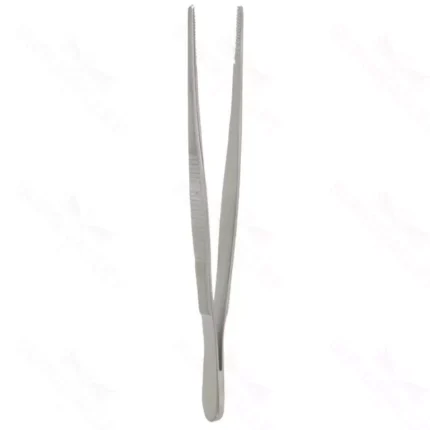
The Neurosurgery IVD Forceps Case, 9″ x 14″ x 5″ is a high-quality surgical instrument storage and sterilization case specifically designed for the safe organization, protection, transportation, and sterilization of neurosurgical forceps and other delicate microsurgical instruments. Measuring 9 inches × 14 inches × 5 inches, this spacious case provides an efficient solution for keeping valuable surgical instruments properly arranged, protected from damage, and ready for immediate use in operating rooms, sterilization departments, and surgical centres.
Neurosurgical instruments require meticulous care due to their precision-engineered construction and delicate working tips. Fine forceps, micro forceps, dressing forceps, tissue forceps, bayonet forceps, and other microsurgical instruments can become damaged if improperly stored or transported. The Neurosurgery IVD Forceps Case is specifically engineered to prevent instrument movement, minimize contact between delicate components, and maintain proper organization throughout sterilization, storage, and transport.
Its generous 9″ × 14″ × 5″ dimensions provide ample capacity for a wide variety of neurosurgical instruments while allowing efficient arrangement for quick identification and retrieval. The case is ideal for organizing complete neurosurgical forceps sets, microsurgical instrument collections, spinal surgery instruments, and specialty surgical trays used during complex neurological procedures.
Manufactured from premium surgical-grade stainless steel, the IVD Forceps Case offers outstanding structural strength and exceptional resistance to corrosion, staining, and repeated exposure to sterilization environments. The high-quality stainless steel construction maintains its durability and appearance through frequent cleaning, disinfection, and steam autoclave sterilization, ensuring years of dependable clinical service.
The carefully engineered design promotes efficient steam penetration and drainage during sterilization cycles, helping achieve effective instrument sterilization while supporting compliance with modern infection control standards. The rigid construction protects delicate forceps from bending, crushing, or accidental damage during handling and transport between operating theatres and central sterile services departments (CSSD).
Designed for daily clinical use, the case features a secure closure mechanism that helps keep instruments safely contained throughout transportation and storage. The smooth, polished surfaces facilitate rapid cleaning while minimizing the accumulation of biological debris. Rounded edges improve handling safety and simplify routine maintenance, making the case suitable for demanding hospital environments.
The Neurosurgery IVD Forceps Case is ideal for organizing a wide range of neurosurgical instruments, including tissue forceps, dressing forceps, bayonet forceps, micro forceps, bipolar forceps, vascular forceps, spinal instruments, and other precision microsurgical tools. It is widely used in neurosurgery, spinal surgery, orthopaedics, ENT surgery, plastic surgery, vascular surgery, and other specialties requiring organized instrument management.
Its reusable design supports sustainable hospital practices by reducing the need for disposable packaging while ensuring instruments remain protected during repeated sterilization cycles. The durable construction helps extend instrument lifespan by preventing unnecessary wear and mechanical damage caused by improper storage.
Whether used in hospitals, ambulatory surgical centres, teaching institutions, or specialized neurosurgical facilities, the Neurosurgery IVD Forceps Case, 9″ × 14″ × 5″ provides a dependable solution for maintaining surgical instrument organization, protecting valuable equipment, and supporting efficient operating room workflow.
Key Features
- Premium Neurosurgery IVD Forceps Case, 9″ × 14″ × 5″
- Designed for safe storage, transport, and sterilization of neurosurgical forceps
- Spacious 9″ × 14″ × 5″ capacity for multiple instruments
- Manufactured from premium surgical-grade stainless steel
- Corrosion-resistant and highly durable construction
- Protects delicate microsurgical instruments from damage
- Promotes efficient instrument organization and accessibility
- Compatible with steam autoclave sterilization
- Smooth polished surfaces for easy cleaning and maintenance
- Secure closure helps prevent instrument movement during transport
- Reusable and suitable for long-term clinical use
- Ideal for hospitals, CSSD departments, surgical centres, and operating rooms
Product Specifications
| Specification | Details |
|---|---|
| Product Name | Neurosurgery IVD Forceps Case, 9″ × 14″ × 5″ |
| Product Type | Surgical Instrument Sterilization & Storage Case |
| Specialty | Neurosurgery |
| Dimensions | 9″ × 14″ × 5″ |
| Material | Premium Surgical Grade Stainless Steel |
| Construction | Rigid Protective Case |
| Finish | Satin / Polished Finish |
| Reusable | Yes |
| Sterilization | Steam Autoclavable |
| Corrosion Resistant | Yes |
| Application | Instrument Storage, Organization, Protection, Transport, Sterilization |
| Compatible Instruments | Tissue Forceps, Dressing Forceps, Bayonet Forceps, Micro Forceps, Bipolar Forceps, Vascular Forceps, Microsurgical Instruments |
FAQs
1. What is the Neurosurgery IVD Forceps Case used for?
The case is designed to safely organize, protect, transport, and sterilize neurosurgical forceps and other delicate microsurgical instruments.
2. What instruments can be stored in this case?
It can accommodate a variety of neurosurgical instruments, including tissue forceps, dressing forceps, bayonet forceps, micro forceps, bipolar forceps, vascular forceps, and other precision microsurgical tools.
3. Is the IVD Forceps Case autoclavable?
Yes. The case is fully compatible with standard steam autoclave sterilization and is designed to withstand repeated sterilization cycles without compromising durability.
4. What material is the case made from?
The case is manufactured from premium surgical-grade stainless steel, providing exceptional corrosion resistance, strength, and long-term reliability in demanding clinical environments.
5. Why is a dedicated forceps case important in neurosurgery?
A dedicated forceps case helps protect delicate microsurgical instruments from damage, keeps instruments organized, supports efficient sterilization, and extends instrument lifespan by ensuring safe storage and transportation between procedures.




Reviews
There are no reviews yet.