
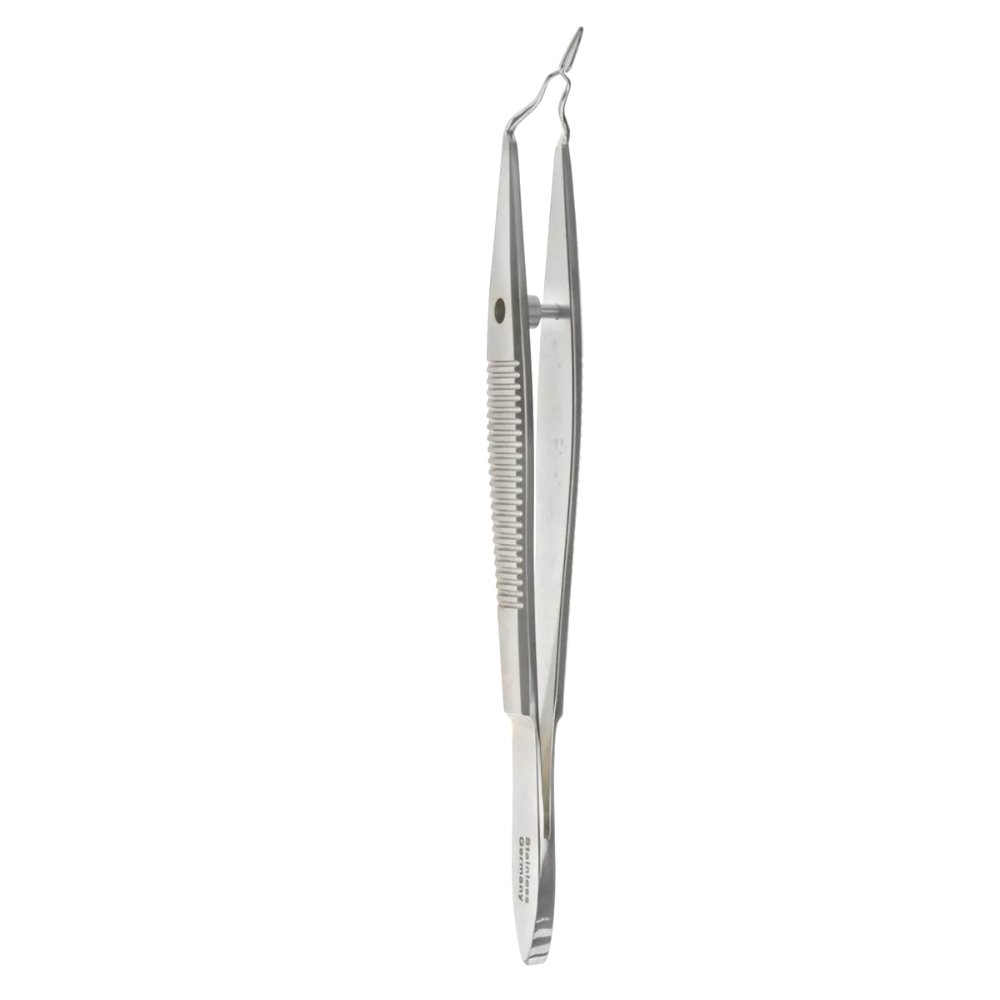
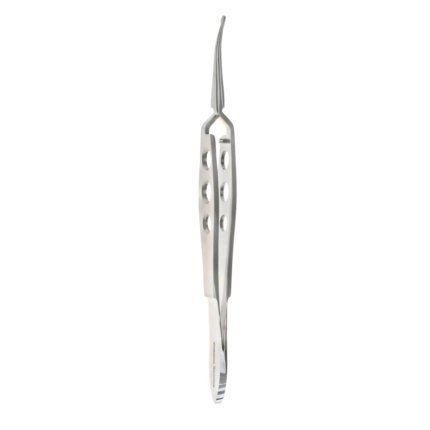
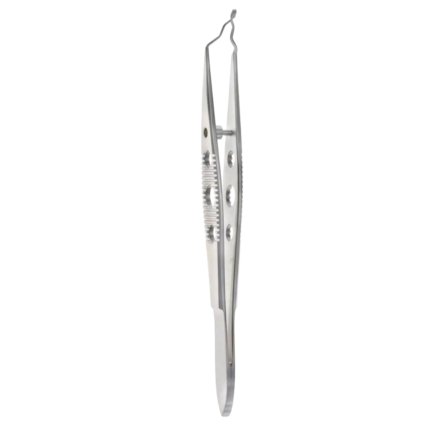
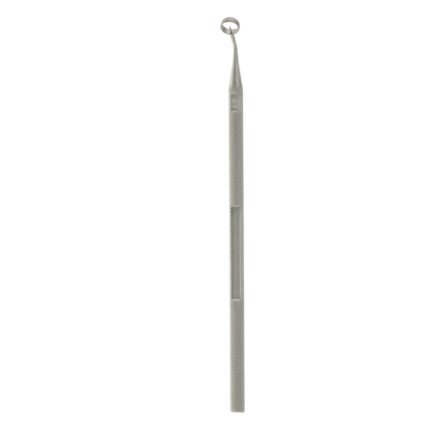
The Ophthalmology Ernest-McDonald II IOL Forceps are specialized ophthalmic microsurgical instruments engineered for the precise manipulation and implantation of intraocular lenses (IOLs) during cataract extraction, phacoemulsification, refractive lens exchange, and other anterior segment procedures. Designed to meet the demanding standards of modern ophthalmic surgery, these forceps enable surgeons to handle delicate foldable and rigid IOLs with confidence, accuracy, and minimal risk of damage.
Successful cataract surgery depends on careful handling of the intraocular lens during implantation. The Ernest-McDonald II IOL Forceps are designed with finely aligned atraumatic jaws that securely grasp the optic or haptics of the lens while minimizing compression, scratching, or deformation. Their precision tip geometry allows controlled insertion and positioning of the lens through small corneal incisions, supporting minimally invasive cataract surgery techniques.
Manufactured from premium surgical-grade stainless steel, these forceps offer outstanding corrosion resistance, strength, and long-lasting durability. Precision machining ensures smooth jaw alignment and reliable gripping performance, while the satin or matte finish minimizes glare under the operating microscope for improved visualization during delicate microsurgical procedures.
The lightweight ergonomic handle is carefully balanced to provide exceptional tactile feedback and comfortable handling. This design helps reduce hand fatigue during prolonged surgeries while allowing surgeons to perform precise lens manipulation within the confined anterior chamber. The instrument’s fine tips are specifically engineered for atraumatic handling, helping preserve the integrity of premium foldable acrylic, hydrophobic acrylic, hydrophilic acrylic, silicone, and PMMA intraocular lenses.
The Ophthalmology Ernest-McDonald II IOL Forceps are compatible with a wide range of contemporary intraocular lens designs used in cataract and refractive procedures. Their versatility makes them valuable instruments for hospitals, ambulatory surgery centers, ophthalmology clinics, and academic teaching institutions. Whether used for routine cataract extraction or more complex secondary IOL implantation, these forceps provide dependable control and precision throughout the procedure.
Designed for repeated professional use, the instrument is fully reusable and compatible with standard steam autoclave sterilization protocols. Its robust stainless steel construction maintains structural integrity and precision even after numerous cleaning and sterilization cycles, making it a cost-effective solution for high-volume ophthalmic practices.
Precision craftsmanship, ergonomic comfort, and exceptional durability make the Ernest-McDonald II IOL Forceps an essential component of modern ophthalmic surgical instrument sets. Their reliable performance supports safe intraocular lens implantation, efficient surgical workflow, and consistent clinical outcomes.
Key Features
- Designed for precise intraocular lens (IOL) implantation
- Ideal for cataract and anterior segment surgery
- Fine atraumatic jaws protect delicate IOL optics and haptics
- Secure grip minimizes lens slippage during implantation
- Compatible with foldable and rigid intraocular lenses
- Precision-engineered for minimally invasive cataract surgery
- Premium surgical-grade stainless steel construction
- Satin finish minimizes glare under surgical microscopes
- Lightweight ergonomic handle for enhanced comfort and control
- Excellent tactile feedback for microsurgical precision
- Corrosion-resistant, durable, and long-lasting
- Fully reusable and steam autoclavable
Product Specifications
| Specification | Details |
|---|---|
| Product Type | Intraocular Lens (IOL) Forceps |
| Application | IOL Handling, Positioning & Implantation |
| Material | Premium Surgical Grade Stainless Steel |
| Finish | Satin / Matte Finish |
| Sterilization | Steam Autoclavable |
| Reusability | Yes |
| Specialty | Ophthalmology |
| Instrument Type | Microsurgical IOL Forceps |
| Usage | Cataract Surgery, Phacoemulsification & Lens Implantation |
Product Contents
- 1 × Ophthalmology Ernest-McDonald II IOL Forceps
Applications
The Ophthalmology Ernest-McDonald II IOL Forceps are commonly used for:
- Cataract surgery
- Phacoemulsification procedures
- Intraocular lens (IOL) implantation
- Foldable acrylic IOL insertion
- Silicone IOL handling
- Hydrophobic and hydrophilic IOL positioning
- PMMA lens implantation
- Refractive lens exchange
- Secondary IOL implantation
- Anterior segment microsurgery
Frequently Asked Questions (FAQs)
1. What are Ernest-McDonald II IOL Forceps used for?
These forceps are used to grasp, position, and implant intraocular lenses during cataract surgery and other ophthalmic lens replacement procedures.
2. Are these forceps suitable for foldable intraocular lenses?
Yes. They are designed to safely handle foldable acrylic, hydrophobic acrylic, hydrophilic acrylic, silicone, and rigid PMMA intraocular lenses.
3. What material are the Ernest-McDonald II IOL Forceps made from?
The forceps are manufactured from premium surgical-grade stainless steel, offering excellent corrosion resistance, precision, and long-term durability.
4. Can these forceps be sterilized and reused?
Yes. They are fully reusable and compatible with standard steam autoclave sterilization methods used in hospitals and surgical centers.
5. Which ophthalmic procedures commonly require these forceps?
They are widely used during cataract extraction, phacoemulsification, refractive lens exchange, secondary intraocular lens implantation, and other anterior segment microsurgical procedures.
6. What advantages do Ernest-McDonald II IOL Forceps provide?
Their precision jaws, ergonomic balance, and atraumatic design provide secure lens handling, improved surgical control, reduced risk of lens damage, and efficient intraocular lens implantation.
7. Are these forceps appropriate for professional ophthalmic surgical settings?
Yes. The Ernest-McDonald II IOL Forceps are designed for use in hospitals, ophthalmic operating rooms, ambulatory surgery centers, specialty eye clinics, and academic teaching institutions where precision and reliability are essential.


Reviews
There are no reviews yet.