
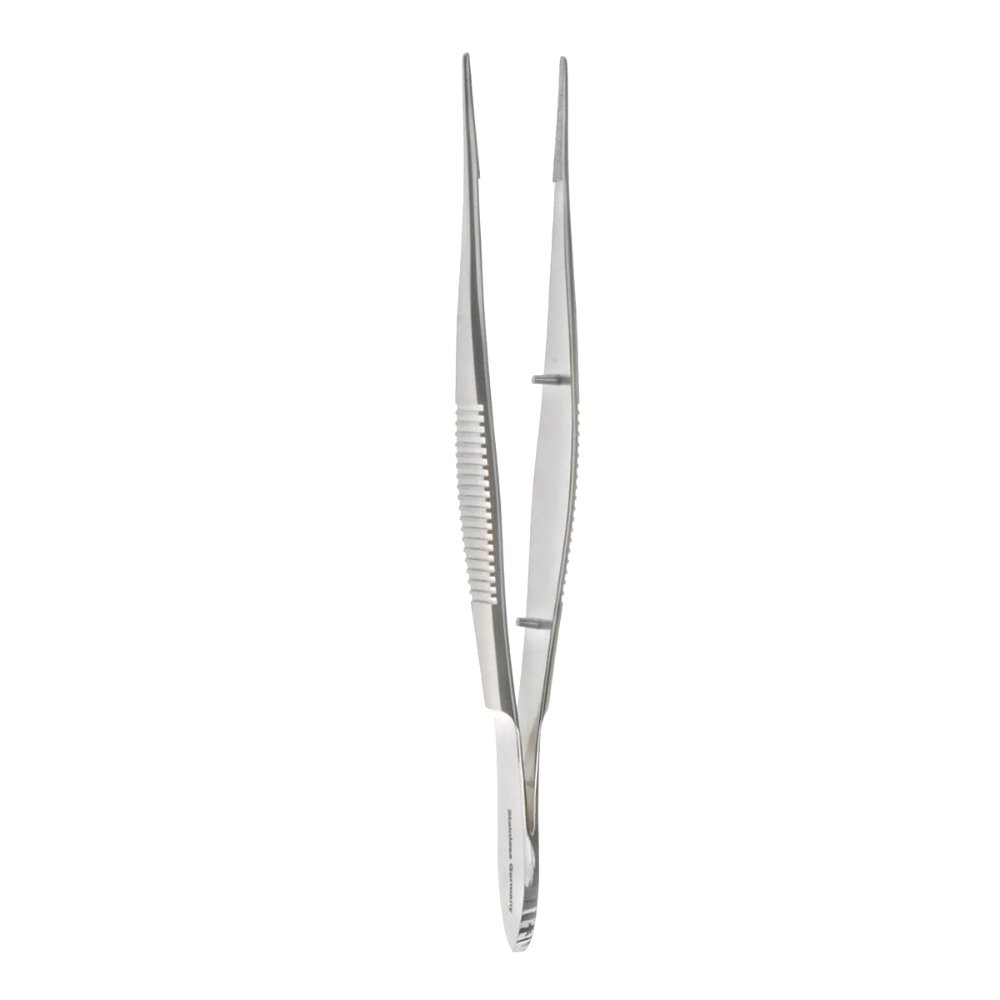
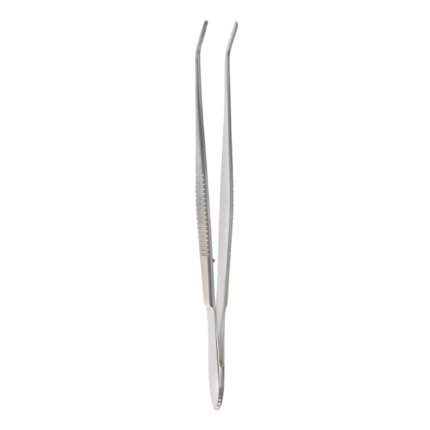

The Ophthalmology Wills Hospital Utility Forceps Cross Serrated Jaw is a specialized ophthalmic surgical instrument designed for accurate tissue handling, grasping, and manipulation during delicate eye procedures. Commonly used by ophthalmologists and microsurgical specialists, this utility forceps provides a dependable solution for procedures requiring a secure grip with controlled handling.
Ophthalmic surgery demands instruments that offer precision while maintaining gentle interaction with sensitive ocular structures. The Wills Hospital Utility Forceps Cross Serrated Jaw features finely engineered cross-serrated jaws that enhance gripping ability by providing secure tissue contact without excessive force. This design allows surgeons to maintain control during surgical manipulation while supporting accurate placement and movement.
The cross-serrated jaw configuration improves traction and stability, making this forceps suitable for handling tissues, materials, and surgical components during ophthalmic procedures. The carefully aligned jaws provide consistent performance and help reduce slipping during delicate operations where precision is essential.
Manufactured from premium surgical-grade stainless steel, the Wills Hospital Utility Forceps offers exceptional strength, corrosion resistance, and long-lasting durability. The high-quality material allows the instrument to withstand repeated sterilization cycles while maintaining its structural integrity and surgical performance.
The smooth surgical finish supports efficient cleaning and sterilization, helping healthcare facilities maintain proper infection control standards. Its reusable construction makes it a practical and economical choice for hospitals, eye clinics, and specialized ophthalmology centers.
The ergonomic design of the Wills Hospital Utility Forceps Cross Serrated Jaw provides comfortable handling and improved surgeon control. The balanced structure allows smooth operation during microsurgical procedures while reducing hand fatigue during extended use. The precision-crafted tips ensure reliable alignment and consistent gripping performance.
This ophthalmic forceps is widely used in various eye surgery applications, including general ophthalmic procedures, microsurgical tissue manipulation, and delicate handling tasks. Its versatility makes it an essential instrument in ophthalmology instrument sets and surgical trays.
Designed for professional medical environments, the Wills Hospital Utility Forceps Cross Serrated Jaw combines traditional surgical reliability with modern manufacturing standards. Its durable construction, precise jaw design, and dependable functionality make it a trusted choice for ophthalmic surgeons requiring high-quality surgical instruments.
With proper maintenance and sterilization, this reusable ophthalmic forceps provides long-term clinical value and consistent performance. It is an ideal instrument for healthcare professionals seeking accuracy, reliability, and superior control in eye surgery procedures.
Key Features
- Precision-designed Wills Hospital Utility Forceps Cross Serrated Jaw for ophthalmology
- Cross-serrated jaws provide enhanced grip and tissue control
- Designed for secure handling during delicate eye procedures
- Ideal for ophthalmic and microsurgical applications
- Manufactured from premium surgical-grade stainless steel
- Excellent corrosion resistance for long-term durability
- Smooth finish allows easy cleaning and sterilization
- Ergonomic design improves surgeon comfort and handling
- Provides reliable jaw alignment and controlled manipulation
- Suitable for repeated sterilization cycles
- Reusable instrument for hospital and surgical center use
- Trusted choice for ophthalmologists and eye surgeons
Product Specifications
| Specification | Details |
|---|---|
| Product Type | Utility Forceps |
| Application | Ophthalmic tissue handling and surgical manipulation |
| Material | Surgical Grade Stainless Steel |
| Finish | Satin / Polished Surgical Finish |
| Sterilization | Autoclavable and compatible with standard sterilization methods |
| Reusability | Reusable surgical instrument |
| Specialty | Ophthalmology |
| Instrument Type | Utility Surgical Forceps |
| Jaw Design | Cross Serrated Jaw |
| Usage | Eye surgery and microsurgical procedures |
Product Contents
- 1 × Ophthalmology Wills Hospital Utility Forceps Cross Serrated Jaw
- Individual reusable ophthalmic surgical instrument
Applications
The Wills Hospital Utility Forceps Cross Serrated Jaw is used in:
- Ophthalmic surgical procedures
- Eye tissue manipulation
- Microsurgical ophthalmology applications
- Anterior segment eye surgery
- Delicate tissue grasping procedures
- General ophthalmic operating room applications
- Surgical instrument sets for eye specialists
Frequently Asked Questions (FAQs)
1. What is the Wills Hospital Utility Forceps Cross Serrated Jaw used for?
The Wills Hospital Utility Forceps Cross Serrated Jaw is used for secure grasping, holding, and manipulation of tissues and surgical materials during ophthalmic procedures.
2. What is the advantage of cross-serrated jaws in surgical forceps?
Cross-serrated jaws provide improved grip and stability, helping surgeons maintain better control during delicate surgical tasks.
3. Is this ophthalmic utility forceps reusable?
Yes, it is manufactured from durable surgical stainless steel and designed for repeated sterilization and professional reuse.
4. What material is used to manufacture this forceps?
The instrument is made from surgical-grade stainless steel, providing strength, corrosion resistance, and long-lasting performance.
5. Can Wills Hospital Utility Forceps be sterilized in an autoclave?
Yes, this ophthalmic forceps is compatible with standard sterilization procedures, including steam autoclaving.
6. Who uses Wills Hospital Utility Forceps?
It is commonly used by ophthalmologists, eye surgeons, and microsurgical specialists.
7. Why are precision utility forceps important in ophthalmology?
Precision utility forceps allow controlled handling of delicate structures, improving accuracy and safety during eye surgery procedures.



Reviews
There are no reviews yet.