

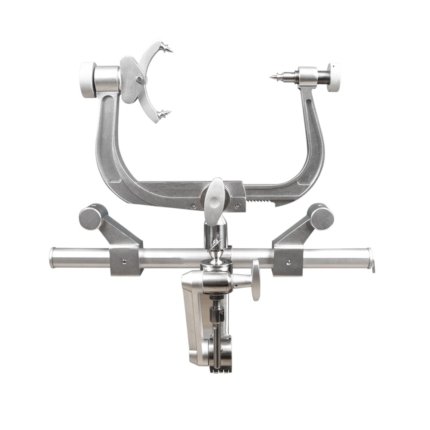

The Orthopedic Cranial Mill & Drill Machine – Electric Neurosurgery Drill System is a powered surgical instrument system intended for controlled bone work in neurosurgical and orthopedic operating environments. Electric surgical drills provide rotary power to compatible cutting attachments, allowing surgeons to perform drilling, milling, cutting, and bone preparation with controlled instrument movement.
In neurosurgery, cranial drilling systems are used for procedures requiring access through the skull or modification of cranial bone. Depending on the compatible handpiece, burr, and cutting attachment, an electric cranial drill may support craniotomy, burr-hole preparation, bone flap creation, cranial edge refinement, and other procedures involving controlled removal of bone.
The system can also have applications in selected orthopedic procedures where powered drilling or bone preparation is required. The exact orthopedic application depends on the available accessories, drive characteristics, and intended use of the specific configuration. Users should verify the system’s approved applications rather than assuming that every cranial attachment is suitable for orthopedic surgery.
An electric drive provides a consistent source of rotational power compared with manually operated drilling instruments. This can help reduce operator effort and support controlled bone preparation during procedures where powered drilling is indicated. Exact speed, torque, power output, control method, and handpiece compatibility are dependent on the particular machine and configuration.
The cranial mill function is particularly relevant to procedures requiring controlled removal or shaping of skull bone. Depending on the cutting attachment, the system may be used for milling, drilling, contouring, or preparation of cranial bone. Different burr profiles are generally selected according to the surgical task, bone characteristics, and surgeon preference.
A complete electric neurosurgical drill system may consist of the drive unit, handpiece, power or control components, and compatible burrs or milling accessories. The exact components supplied with this product should be confirmed from the product configuration. Accessories from different manufacturers or systems should not be assumed to be interchangeable without verified compatibility.
Ergonomic handling is important during powered bone surgery. The surgeon needs controlled positioning of the handpiece and cutting accessory, particularly when working near sensitive neurological or vascular structures. Appropriate drilling technique, irrigation or cooling where specified, instrument speed, and accessory selection should follow the applicable surgical protocol and device instructions.
The system may support procedures such as craniotomy, cranial decompression, traumatic brain surgery, intracranial tumor procedures, skull-base approaches, and other cranial operations requiring bone access. In orthopedic settings, compatible drilling accessories may support selected bone preparation procedures. Actual clinical use depends on the device configuration and intended application.
Routine inspection and maintenance are essential for powered surgical equipment. Before use, the drive unit, handpiece, cables, connections, controls, and cutting accessories should be checked for visible damage, wear, contamination, and proper mechanical operation. Cutting accessories should be inspected for excessive wear, deformation, or damage and replaced as appropriate.
Cleaning and sterilization requirements vary between powered equipment components. Some handpieces may require specific cleaning, lubrication, flushing, or sterilization procedures, while electrical or control components may have different processing requirements. The validated manufacturer’s instructions for the exact system should always be followed.
The Orthopedic Cranial Mill & Drill Machine Electric Neurosurgery Drill System is suitable for hospitals, neurosurgical operating rooms, orthopedic surgical departments, trauma centers, and specialty medical facilities requiring powered bone-drilling equipment. Its electric operating system provides a practical platform for controlled surgical bone preparation when used with compatible accessories.
Key Features
- Electric-powered surgical cranial drill system
- Designed for controlled bone drilling and milling
- Suitable for selected neurosurgical procedures
- Supports cranial access and bone preparation
- Useful for craniotomy and burr-hole procedures
- Can support controlled cranial bone shaping with compatible attachments
- May be used for selected orthopedic drilling applications with appropriate accessories
- Consistent powered rotary operation
- Compatible handpieces and burrs are configuration dependent
- Supports professional operating-room surgical workflows
- Requires routine inspection and maintenance
- Reprocessing must follow validated manufacturer instructions for each component
Product Specifications
| Specification | Details |
|---|---|
| Product Name | Orthopedic Cranial Mill & Drill Machine |
| Product Type | Electric Surgical Drill System |
| Primary Specialties | Neurosurgery / Orthopedics |
| Primary Function | Bone Drilling, Milling and Cutting |
| Cranial Applications | Craniotomy, Burr Holes, Cranial Bone Preparation |
| Orthopedic Applications | Selected Bone Drilling, Configuration Dependent |
| Drive Type | Electric |
| Operating Speed | Model / Control System Dependent |
| Torque / Power | Model Dependent |
| Handpiece | Configuration Dependent |
| Cutting Accessories | Burrs / Milling Attachments, Not Universally Interchangeable |
| Control System | Electric Control Unit, Configuration Dependent |
| Power Supply | System Specific |
| Reusable | Component Specific |
| Sterilization | Follow Validated Manufacturer Instructions |
| Compatibility | Verify Handpiece and Accessory Compatibility |
FAQs
What is an electric cranial drill used for?
An electric cranial drill is used for controlled drilling, cutting, milling, and shaping of skull bone during selected neurosurgical procedures.
What is a cranial mill?
A cranial mill is a powered surgical system or attachment used to remove or shape cranial bone in a controlled manner, depending on the configuration and cutting accessory.
Can this drill be used for craniotomy?
A compatible electric cranial drill can support craniotomy and related cranial bone procedures when used with the appropriate handpiece and cutting attachment.
Can the system be used for burr-hole preparation?
Yes, a compatible cranial drill and suitable burr can be used for burr-hole preparation as indicated by the surgical technique and device configuration.
Is this drill suitable for orthopedic surgery?
The system may support selected orthopedic bone-drilling applications when the machine, handpiece, and accessories are specifically suitable for those procedures. Cranial accessories should not automatically be assumed to be orthopedic-compatible.
What accessories are used with a cranial drill?
Depending on the system, accessories may include surgical handpieces, cutting burrs, milling attachments, and other compatible components. Exact accessories vary by configuration.
Are burrs compatible with every electric surgical drill?
No. Burr dimensions, connection interfaces, drive requirements, and approved accessories can differ between systems. Compatibility should be verified before use.
What is the benefit of an electric surgical drill?
An electric drill provides powered rotary movement, which can reduce manual effort and provide consistent drilling performance when the system is appropriately configured.
Is the entire drill system reusable?
Reusability depends on the individual components. Handpieces and certain accessories may be reusable when specifically designed and labeled for reuse, while control or electrical components may have different requirements.
How should an electric cranial drill be cleaned and sterilized?
Each component should be processed according to its validated manufacturer instructions. Powered handpieces can have specific cleaning, lubrication, flushing, and sterilization requirements.
What should be inspected before using the drill machine?
Inspect the drive system, handpiece, cables, connections, controls, burrs, and milling attachments for damage, wear, contamination, or abnormal operation before clinical use.


Reviews
There are no reviews yet.