
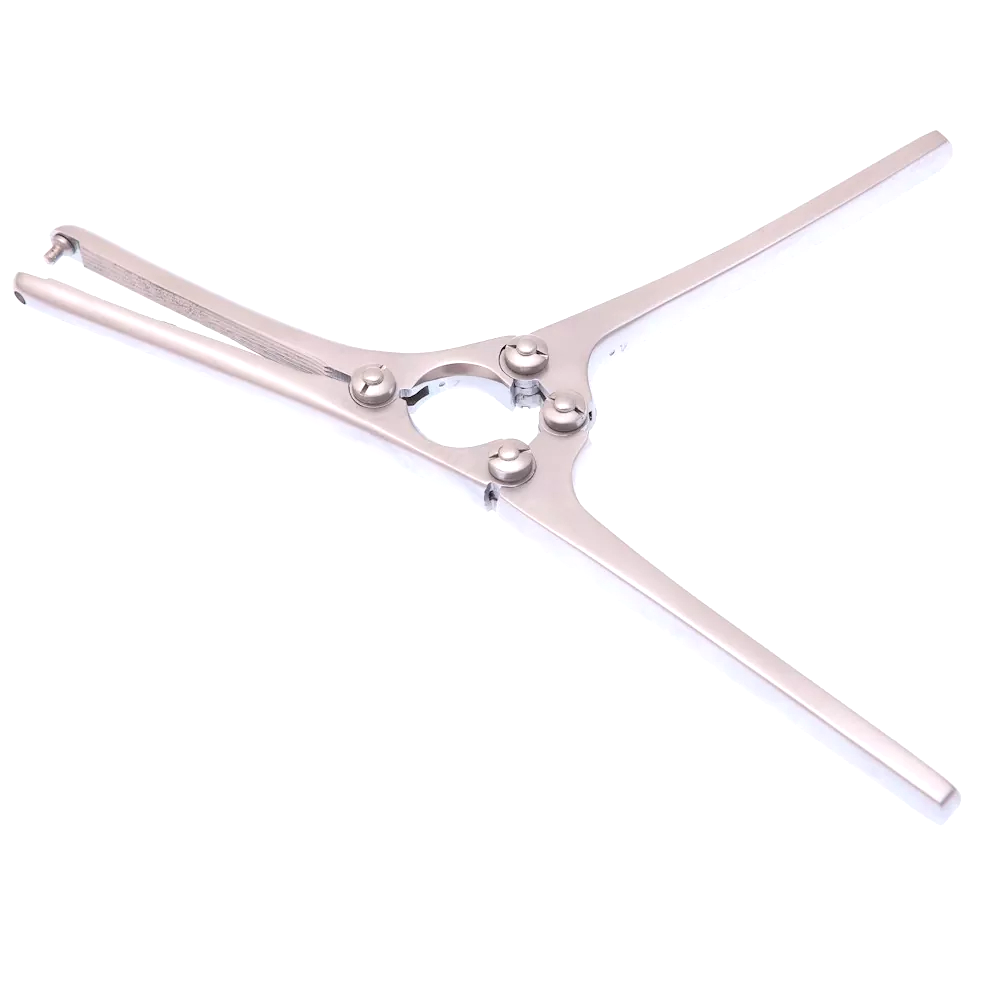
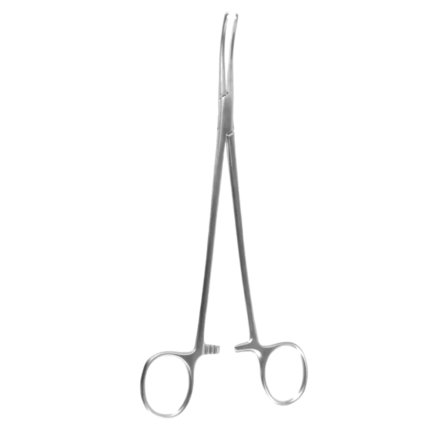
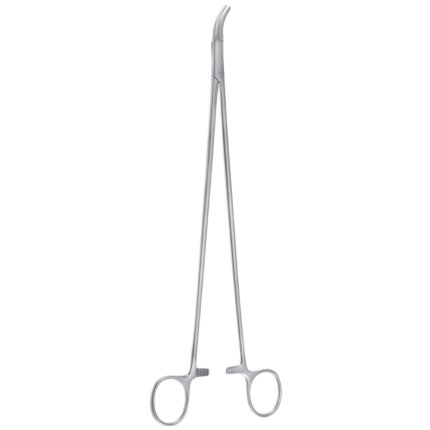
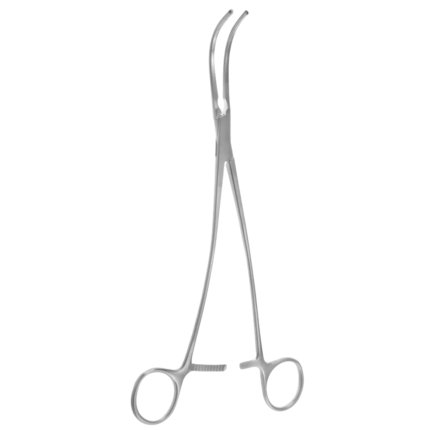
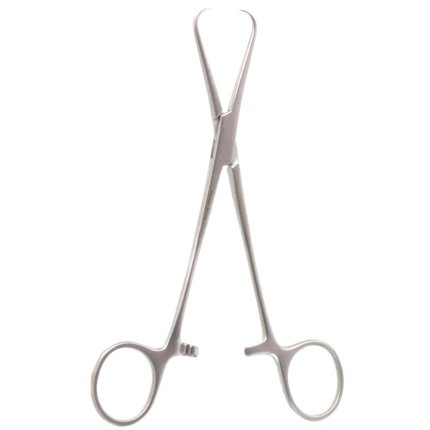
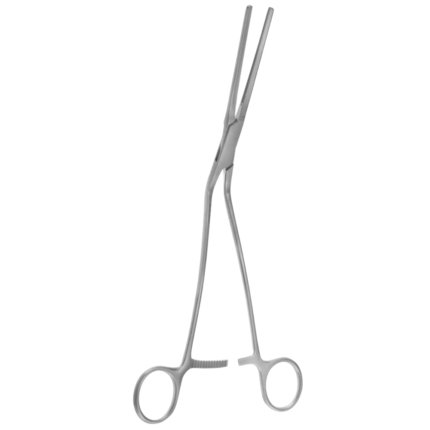
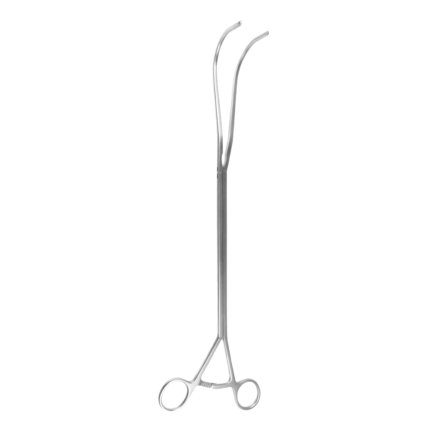
Payr Intestinal Pylorus Clamp 70mm Serrated with Pin 203mm General Surgery Instrument is a specialized general surgical instrument designed for controlled occlusion and temporary clamping of intestinal and pyloric segments during abdominal and gastrointestinal procedures. It is widely used in general surgery where secure but atraumatic tissue compression is required.
Manufactured from premium surgical-grade stainless steel, the Payr Intestinal Pylorus Clamp offers excellent durability, corrosion resistance, and long-term reliability. The high-quality stainless steel construction ensures consistent performance even after repeated sterilization cycles. The polished finish provides a smooth surface that is easy to clean and suitable for sterile surgical environments.
The 70 mm serrated jaw design ensures firm and evenly distributed pressure across the tissue, helping to prevent slippage while minimizing localized trauma. The integrated pin mechanism enhances stability and control during clamping procedures.
The 203 mm length provides excellent reach and maneuverability, allowing surgeons to access deep abdominal structures with precision and control. This makes it suitable for both routine and complex gastrointestinal surgeries.
Payr Intestinal Pylorus Clamp is commonly used in general surgery, intestinal resection, anastomosis procedures, and pyloric or bowel management where temporary occlusion is required to maintain a clean operative field.
The ergonomic ring handle design ensures a secure and comfortable grip, enabling precise control during surgical manipulation. Its balanced construction reduces hand fatigue and enhances accuracy during prolonged procedures.
Designed for repeated professional use, the instrument is fully reusable and compatible with standard sterilization methods, including steam autoclaving. The stainless steel construction resists rust, corrosion, staining, and wear, ensuring long-term performance in clinical environments.
Each instrument undergoes strict quality control testing to ensure jaw alignment, smooth locking function, and reliable clamping strength for safe clinical use.
Key Features
- Premium surgical-grade stainless steel construction
- Designed for intestinal and pyloric occlusion
- 203 mm length for deep surgical access
- 70 mm serrated jaws for secure grip
- Integrated pin for improved stability
- Ideal for general and gastrointestinal surgery
- Atraumatic yet firm tissue compression
- Ergonomic ring handle for precise control
- Smooth and stable locking mechanism
- Corrosion, rust, and stain resistant
- Fully reusable and autoclavable
- Enhances surgical safety and efficiency
Product Specifications
| Specification | Details |
|---|---|
| Product Name | Payr Intestinal Pylorus Clamp |
| Instrument Type | Surgical Clamp |
| Length | 203 mm |
| Jaw Width | 70 mm Serrated |
| Feature | With Pin Mechanism |
| Specialty | General Surgery, Gastrointestinal Surgery |
| Material | Premium Surgical Grade Stainless Steel |
| Finish | Polished Stainless Steel |
| Jaw Type | Serrated Occlusion Jaws |
| Handle Type | Ring Handles |
| Sterility | Non-Sterile |
| Reusable | Yes |
| Autoclavable | Yes |
| Corrosion Resistant | Yes |
| Rust Resistant | Yes |
| Latex Free | Yes |
| Clinical Application | Intestinal Clamping, Pylorus Occlusion, Bowel Surgery |
| Quality Standard | CE & ISO 13485 (Manufacturer Dependent) |
Frequently Asked Questions (FAQs)
1. What is Payr Intestinal Pylorus Clamp used for?
It is used for temporary occlusion of intestinal and pyloric segments during gastrointestinal surgery.
2. What is the purpose of serrated jaws?
They provide firm, even pressure while reducing slippage during clamping.
3. What does the pin do?
It enhances stability and helps maintain secure clamping during procedures.
4. What material is it made from?
It is made from premium surgical-grade stainless steel for durability and corrosion resistance.
5. Is it reusable?
Yes. It is designed for repeated professional use after proper cleaning and sterilization.
6. Can it be autoclaved?
Yes. It is fully compatible with standard steam autoclave sterilization procedures.
7. Where is it commonly used?
It is commonly used in intestinal, pyloric, and general abdominal surgeries.
8. How should it be maintained?
Clean thoroughly after each use, inspect locking mechanism regularly, and sterilize according to hospital protocols.

Reviews
There are no reviews yet.