


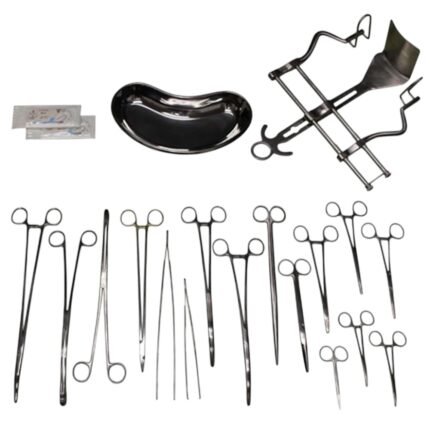
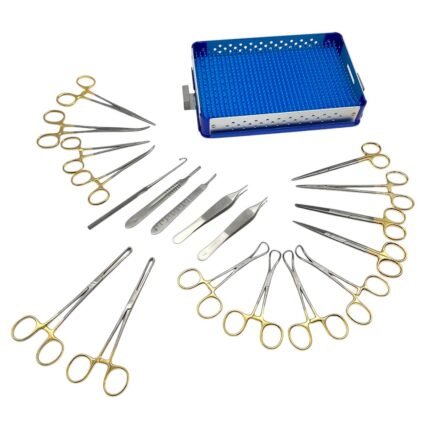
Varicose Vein Surgical Instruments are specialized vascular instruments designed to support qualified healthcare professionals during procedures involving varicose veins and superficial venous structures. These instruments are developed for functions such as tissue handling, dissection, vein identification, vessel management, ligation, cutting, and surgical exposure, depending on the individual instrument design.
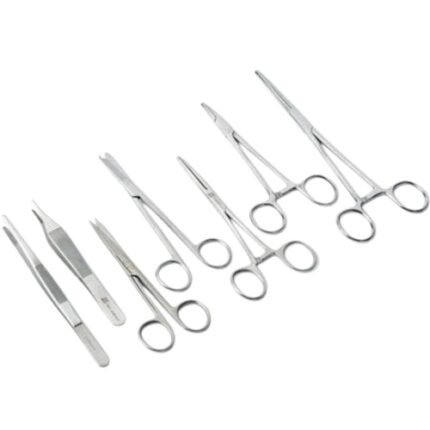
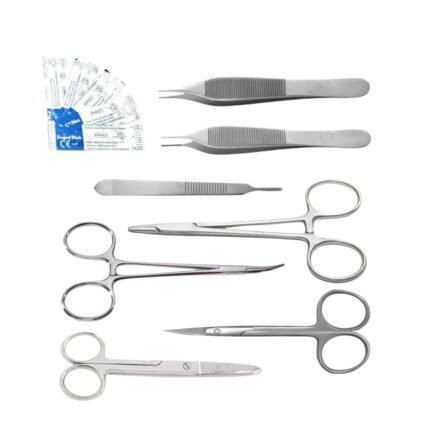
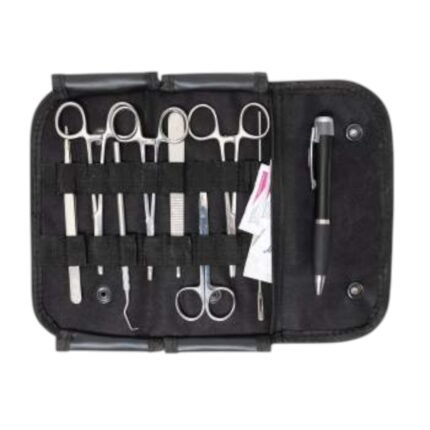
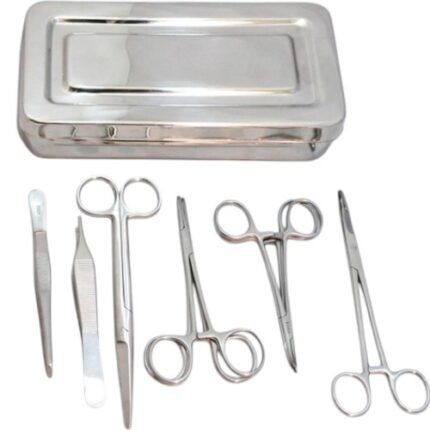
Treatment of varicose veins can involve different surgical approaches, and the instruments required depend on the selected technique, anatomy, and procedural requirements. A professional varicose vein instrument collection may include vein strippers, vein hooks, dissecting forceps, vascular clamps, scissors, needle holders, retractors, and other specialized vascular tools. Individual instruments can be selected according to the specific stage and requirements of a procedure.
Vein strippers are designed for selected vein-stripping techniques and generally feature a slender shaft with a specialized working end. Vein hooks can assist with controlled handling or identification of superficial veins. Fine forceps and dissecting instruments can support tissue manipulation, while clamps may be used for controlled management of vessels or tissues where appropriate. Surgical scissors and needle holders provide additional support for cutting and suturing tasks according to their individual designs.
The instruments can be used in vascular surgery departments, hospitals, outpatient surgical centers, and other professional healthcare facilities. Having purpose-specific vascular instruments available can help surgical teams prepare an appropriate operating field and maintain access to the tools required for their selected procedure.
Varicose vein surgical instruments are commonly manufactured from surgical stainless steel or other medical-grade materials. Stainless steel is widely used for reusable surgical instruments because of its strength, durability, and resistance to corrosion when properly cleaned and maintained. Specific material grades, surface finishes, dimensions, jaw patterns, shaft lengths, and working-end configurations vary by instrument and manufacturer.
Instrument design is particularly important in vascular applications. Working ends may be straight, curved, angled, serrated, smooth, or otherwise specialized depending on their intended function. Handles and shafts are generally designed to provide controlled manipulation and appropriate visibility within the operative field. Exact performance characteristics should be evaluated against the manufacturer’s specifications rather than assumed from the instrument name alone.
For reusable instruments, proper cleaning and sterilization are essential for maintaining functionality and supporting safe clinical use. Instruments should be processed according to manufacturer instructions and the healthcare facility’s validated reprocessing procedures. Hinges, jaws, tips, cutting edges, locking mechanisms, and shafts should be inspected routinely for residue, corrosion, deformation, or other signs of wear.
Varicose Vein Surgical Instruments are intended for professional healthcare use by appropriately trained surgical personnel. Selection should be based on the procedure, surgical technique, patient anatomy, and specific instrument requirements.
Key Features
- Specialized instruments for varicose vein procedures
- Designed for vascular and venous surgical applications
- Supports controlled tissue and vein handling
- Suitable for dissection and operative exposure
- May include vein strippers and vein hooks
- May include vascular forceps, clamps, and scissors
- Available in multiple working-end configurations
- Designed for professional surgical handling
- Commonly manufactured from surgical stainless steel
- Durable construction for repeated professional use where applicable
- Reusable where specifically designated
- Suitable for hospitals and vascular surgery centers
Product Specifications
| Specification | Details |
|---|---|
| Product Name | Varicose Vein Surgical Instruments |
| Product Type | Vascular Surgical Instruments |
| Primary Specialty | Vascular Surgery |
| Main Application | Varicose Vein & Venous Procedures |
| Functions | Vein Handling, Dissection, Ligation & Tissue Manipulation |
| Instrument Types | Strippers, Hooks, Forceps, Clamps, Scissors & Others |
| Material | Surgical Stainless Steel or Specified Material |
| Working End | Instrument-Specific Configuration |
| Shaft Design | Straight, Curved or Specialized Depending on Model |
| Reusable | Where Designated Reusable |
| Sterilization | According to Manufacturer Instructions & Facility Protocol |
| Intended Users | Qualified Healthcare Professionals |
FAQs
1. What are varicose vein surgical instruments used for?
They are specialized instruments used to support procedures involving varicose veins and superficial venous structures, including tissue handling, dissection, vein management, and operative exposure.
2. What instruments are commonly used for varicose vein surgery?
Depending on the procedure, instruments may include vein strippers, vein hooks, forceps, vascular clamps, scissors, needle holders, retractors, and dissecting instruments.
3. What is a vein stripper used for?
A vein stripper is designed to support selected surgical techniques involving the removal or stripping of a targeted vein.
4. What is a vein hook used for?
A vein hook can assist trained surgical professionals with controlled identification, positioning, or manipulation of superficial veins during appropriate procedures.
5. Are varicose vein surgical instruments reusable?
Instruments specifically manufactured and designated for reusable use can generally be reprocessed according to manufacturer instructions and validated healthcare facility protocols.
6. What material are vascular surgical instruments made from?
They are commonly manufactured from surgical stainless steel or another specified medical-grade instrument material. The exact grade depends on the manufacturer.
7. Can these instruments be sterilized?
Reusable instruments should be cleaned, inspected, and sterilized using a validated process appropriate for the specific instrument and according to manufacturer instructions.
8. Where are varicose vein instruments used?
They may be used in hospitals, vascular surgery departments, outpatient surgical centers, and other professional healthcare environments.
9. How should vascular instruments be maintained?
They should be cleaned promptly after use, thoroughly dried, inspected for damage, and processed according to the manufacturer’s care instructions and facility reprocessing protocols.
10. Who should use varicose vein surgical instruments?
These instruments are intended for qualified healthcare professionals trained in vascular procedures and appropriate surgical instrument handling.


Reviews
There are no reviews yet.