
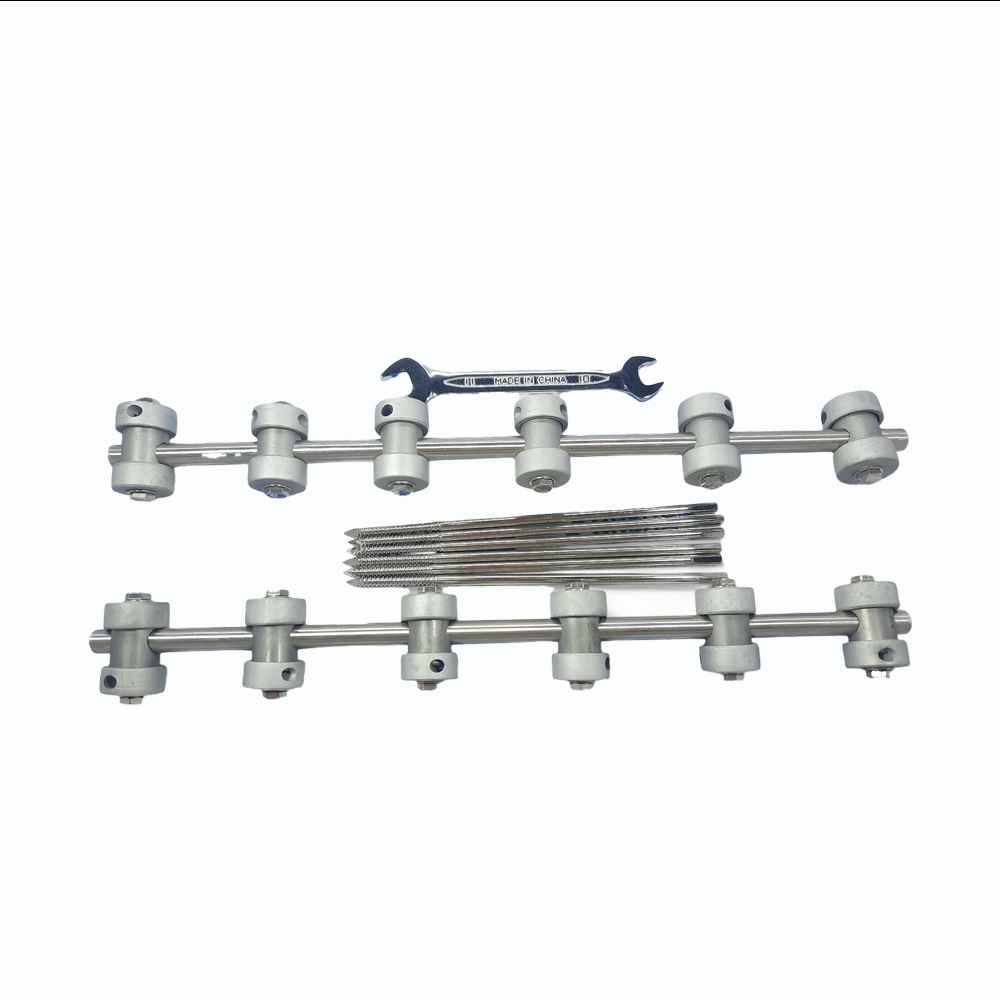
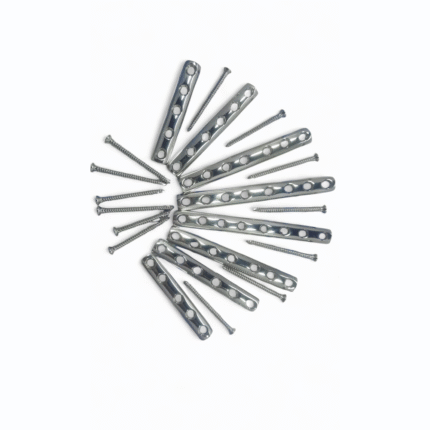
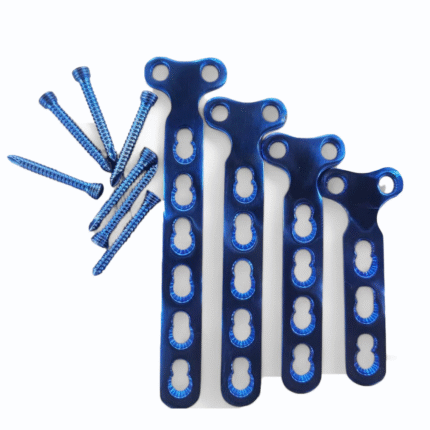
The 5 mm A.O External Fixator Surgical Instrument Set is a specialized orthopedic surgical instrumentation system designed to support external fixation procedures for fracture stabilization and temporary or definitive skeletal fixation. External fixation provides a method of stabilizing bone using fixation pins or wires connected to external frame components positioned outside the patient’s body. A dedicated external fixator instrument set helps surgeons prepare, assemble, position, and adjust compatible fixation components during orthopedic trauma procedures.
The 5 mm designation identifies the specified fixation-system size and should be matched to compatible external fixation components according to the manufacturer’s system specifications. The term A.O in the product title describes the intended external-fixation style or system category; it should not automatically be interpreted as proof of association, authorization, or OEM status with a particular trademarked manufacturer unless formally documented.
External fixation is used in a range of orthopedic trauma situations where controlled skeletal stabilization is required. Depending on the frame design, anatomical region, fracture pattern, soft-tissue condition, and surgeon’s treatment strategy, external fixation may be used for selected open or complex fractures, temporary stabilization before definitive fixation, damage-control orthopedic procedures, limb reconstruction, and other indications. The exact clinical indication should always be determined by the treating orthopedic or trauma surgeon.
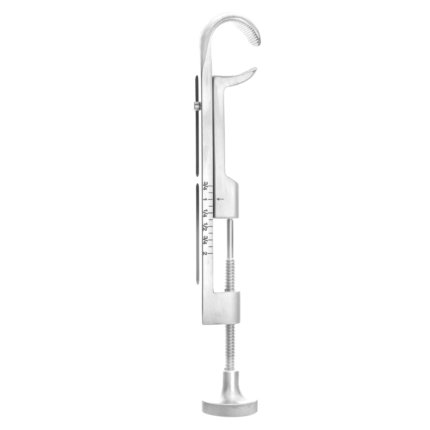
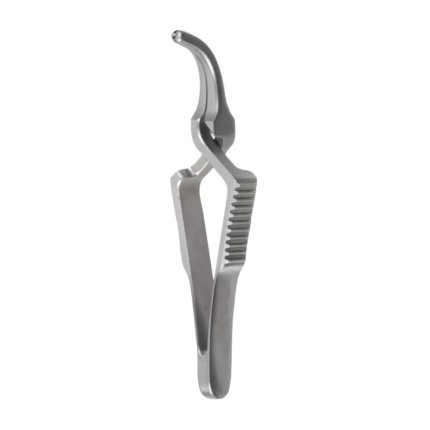
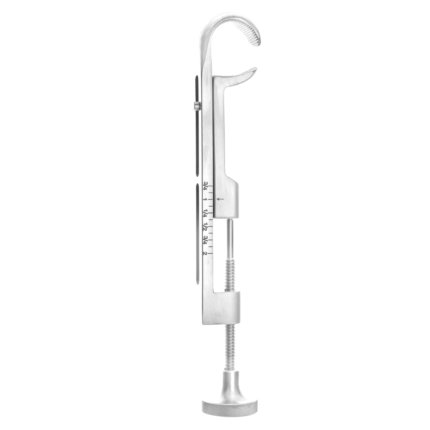
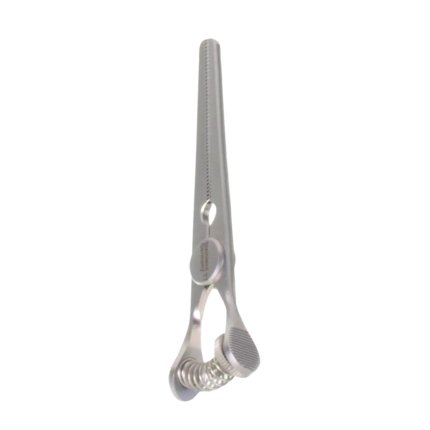
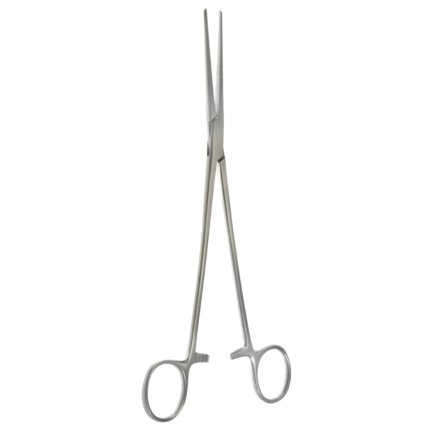
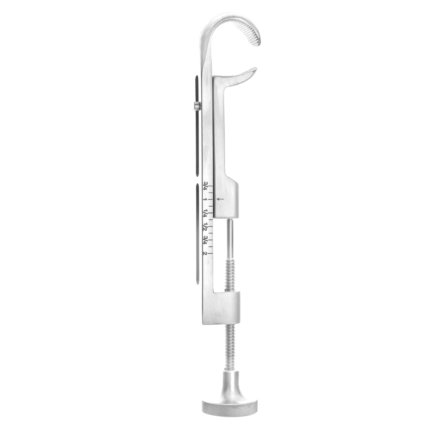
A dedicated external fixator surgical instrument set can include specialized tools for drilling, pin preparation, fixation-component handling, frame assembly, tightening, and adjustment. The exact contents of this product depend on the supplied configuration and should be verified using the manufacturer’s or supplier’s instrument list. It is important not to assume that every 5 mm external fixation set contains the same number or types of instruments.
The external fixator system is designed around controlled mechanical stabilization. Proper positioning of fixation pins and frame components is essential to the performance of the construct. The surgeon determines the appropriate pin location, frame geometry, number of fixation points, connecting elements, and tightening sequence based on the patient’s anatomy and the applicable surgical technique.
The 5 mm external fixation platform may be relevant to large-fragment orthopedic trauma applications where compatible fixation pins and frame components are selected. Depending on the specific system, external fixation can be applied to anatomical regions such as the tibia, femur, pelvis, humerus, forearm, or other bones. However, the product title alone does not establish compatibility with every anatomical application or every 5 mm fixation component.
Instrument quality and mechanical precision are important in external fixation because tools may be used to prepare bone, manipulate fixation elements, and assemble frame components under mechanical load. Reusable instruments should be manufactured from appropriate surgical instrument materials and designed to withstand repeated professional use when properly maintained.
Before every procedure, instruments should be inspected for wear, deformation, corrosion, damaged working surfaces, loose components, or other abnormalities. Drilling or pin-handling instruments should receive particular attention because worn or damaged working ends may interfere with proper component handling. Any instrument that does not meet the required condition should be removed from service.
Reusable external fixation instruments require appropriate cleaning and sterilization following use. Instruments should be cleaned according to validated procedures, with particular attention to joints, threaded interfaces, cannulations, and other areas where biological material can accumulate. Following cleaning, instruments should be inspected and sterilized using a validated method in accordance with manufacturer instructions and healthcare-facility infection-control requirements.
The 5 mm A.O External Fixator – Surgical Instrument Set provides a practical instrumentation solution for orthopedic trauma facilities requiring dedicated tools for compatible external fixation systems. Its intended role is to support controlled preparation, assembly, and adjustment of external fixation constructs while helping surgical teams maintain an organized workflow.
Key Features
- Specialized 5 mm external fixator surgical instrument set
- Designed for orthopedic external fixation procedures
- Supports fracture stabilization and skeletal fixation
- Intended for compatible 5 mm external fixation components
- Supports fixation-pin and frame assembly procedures
- Suitable for temporary or definitive external fixation applications where indicated
- Facilitates controlled handling and adjustment of fixation components
- Professional orthopedic trauma instrumentation
- Durable construction suitable for appropriate reusable applications
- Designed for organized surgical workflow
- Suitable for hospitals and orthopedic trauma centers
- Requires validated cleaning, inspection, and sterilization
Product Specifications
| Specification | Details |
|---|---|
| Product Name | 5 mm A.O External Fixator – Surgical Instrument Set |
| Instrument Category | External Fixation Instruments |
| System Size | 5 mm |
| Fixation Type | External Skeletal Fixation |
| Primary Application | Orthopedic Fracture Stabilization |
| Surgical Specialty | Orthopedic Trauma Surgery |
| Potential Applications | Fracture Stabilization, Temporary Fixation, Frame Assembly |
| Frame Compatibility | Compatible 5 mm System Components |
| Instrument Type | External Fixator Surgical Instruments |
| Material | Surgical Instrument-Grade Metal |
| Configuration | Set configuration varies |
| Reusable | Where supplied as reusable instruments |
| Sterilization | According to validated manufacturer and facility protocols |
| Intended Users | Orthopedic and Trauma Surgeons |
| Clinical Environment | Hospitals, Trauma Centers, Surgical Centers |
FAQs
1. What is a 5 mm external fixator used for?
A 5 mm external fixator system is used to provide external skeletal stabilization using compatible fixation pins and frame components. Applications depend on the fracture pattern, anatomical location, and selected fixation system.
2. What is included in an external fixator instrument set?
An external fixator instrument set may contain tools for pin preparation, drilling, fixation-component handling, frame assembly, tightening, and adjustment. The exact contents vary according to the manufacturer’s configuration.
3. What does 5 mm refer to in an external fixation system?
The 5 mm designation refers to the specified size within the external fixation system, commonly associated with compatible fixation components such as pins. Exact dimensional compatibility should be confirmed against the manufacturer’s specifications.
4. Can a 5 mm external fixator be used for fracture stabilization?
Yes, compatible external fixation systems can be used for fracture stabilization when clinically indicated. The appropriate frame configuration and fixation technique are determined by the orthopedic surgeon according to the patient’s anatomy and injury.
5. Can external fixation be used as temporary fracture stabilization?
External fixation may be used as temporary stabilization in selected orthopedic trauma situations, including circumstances where definitive internal fixation is delayed or staged treatment is appropriate.
6. Is this set compatible with all 5 mm external fixator systems?
No. Compatibility should be confirmed based on the exact manufacturer, component geometry, thread specifications, pin design, and frame system. The 5 mm designation alone does not establish universal compatibility.
7. Are external fixator instruments reusable?
Where supplied as reusable surgical instruments, they can be cleaned, inspected, and sterilized according to validated manufacturer instructions and healthcare-facility protocols.
8. What should be checked before using external fixation instruments?
Instruments should be inspected for corrosion, deformation, worn working surfaces, damaged threads, loose components, and other mechanical defects. Compatible fixation components should also be verified before assembly.
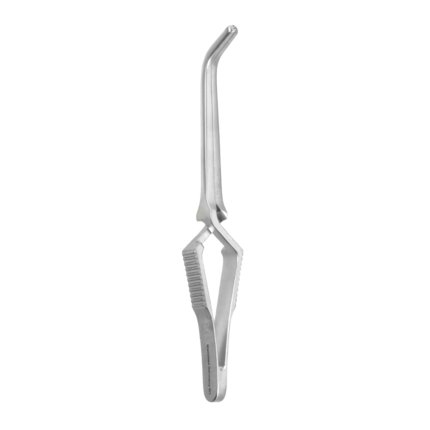

Reviews
There are no reviews yet.