
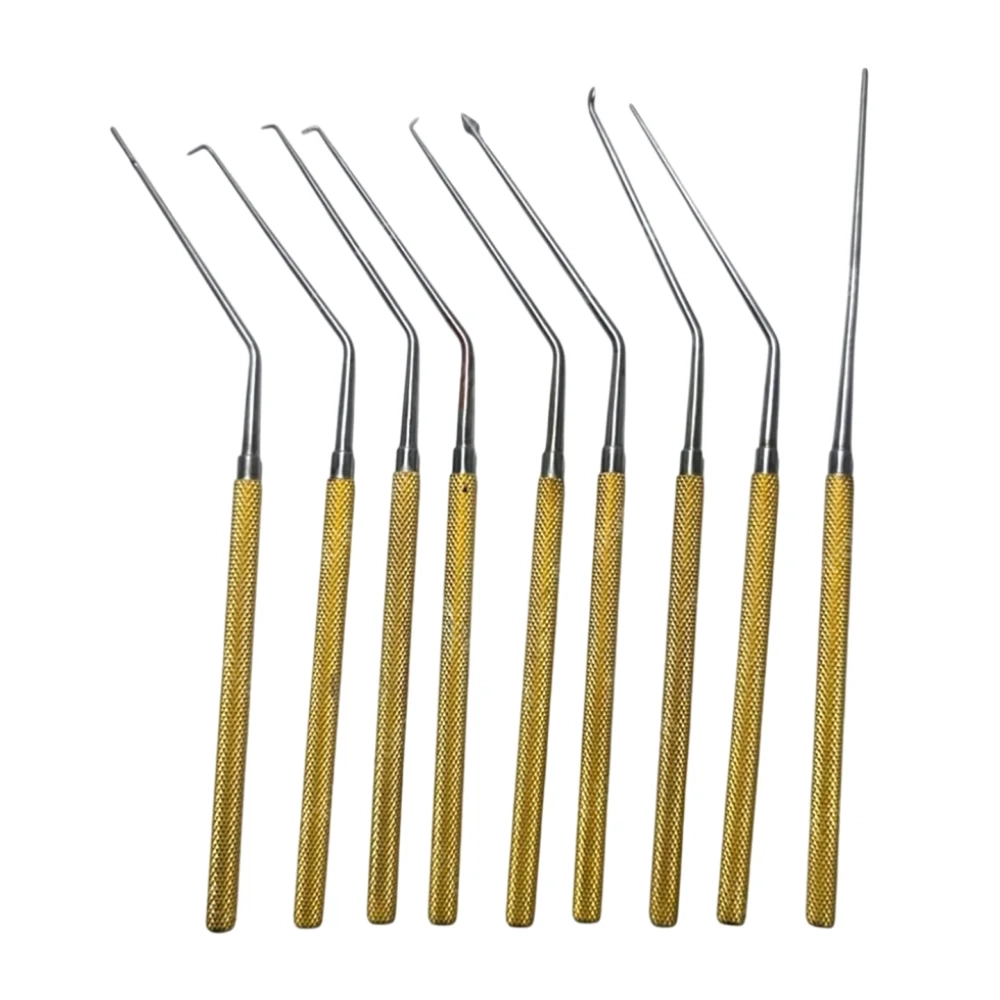


The Stapedectomy Instruments Set of 9 – Precision ENT Otology Surgical Tools is designed for otologic procedures requiring fine instrument control within the middle ear. Stapedectomy and related stapes surgery involve delicate manipulation around small anatomical structures, making appropriately sized and precisely shaped instruments essential for controlled operative work.
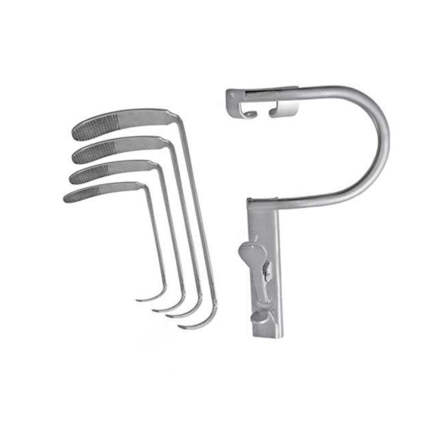
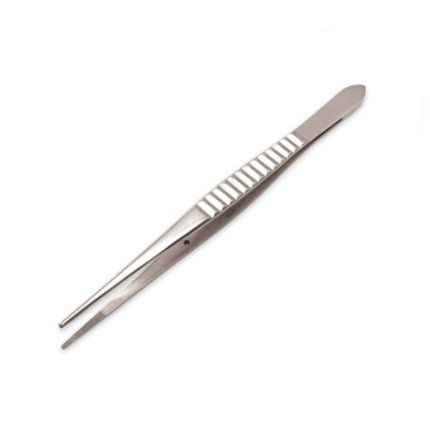
A dedicated stapedectomy set provides a coordinated collection of specialized instruments for different stages of the procedure. Depending on the exact configuration, the nine-piece set may include instruments such as micro hooks, picks, elevators, curettes, forceps, probes, knives, or other otologic tools. The precise contents, working-end profiles, and dimensions should be verified against the supplied set inventory.
Stapedectomy procedures involve surgical work around the stapes and oval window region, where controlled tissue handling and careful access are essential. The instruments in a dedicated otology set are designed to help the surgeon perform fine movements within a very restricted operative space while maintaining visualization through an operating microscope.
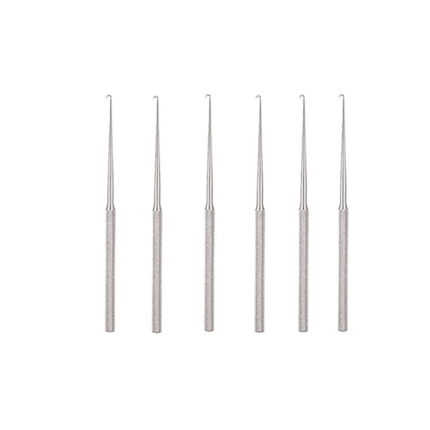
Fine otologic picks and hooks may be used for delicate tissue manipulation or removal of selected structures according to their specific design. Micro forceps can assist with controlled grasping and handling, while specialized elevators or probes may support tissue elevation, positioning, or surgical access.
The compact design of these instruments is particularly important in middle-ear surgery. The operative field contains small and delicate structures, and instruments with oversized working ends may interfere with visualization or make precise manipulation more difficult. Appropriately designed micro instruments provide a more controlled interface for the surgeon.
The 9-piece configuration offers a focused instrument selection rather than a large general-purpose ENT tray. This can be useful for otology departments and operating rooms that require a dedicated set for stapes and related middle-ear procedures. Keeping the instruments together can also simplify operating-room preparation and postoperative instrument counting.
Stapedectomy instruments may support procedures performed for selected cases of otosclerosis and conductive hearing loss involving stapes fixation. Clinical indication, surgical approach, and instrument selection are determined by the qualified otologic surgeon based on the patient’s anatomy and treatment plan.
Instrument control is especially important when working close to the ossicles, facial nerve, inner-ear structures, and oval window. Each instrument should be used only for its intended purpose, with appropriate technique and according to the instrument manufacturer’s instructions.
The working ends of otologic instruments are often fine and delicate. They should be protected from contact with heavier surgical instruments during transport and storage. Before each procedure, the set should be inspected for bent tips, damaged working ends, corrosion, shaft deformation, and other conditions that could affect precision.
For reusable surgical instruments, appropriate cleaning, disinfection, sterilization, and inspection are essential. Fine hooks, picks, forceps, joints, and narrow working ends require careful processing because residual biological material can affect instrument performance. Reprocessing should follow validated instructions applicable to the exact instrument materials and construction.
The material and finish of the instruments should be confirmed from the applicable product documentation. Surgical otology instruments are commonly produced from medical-grade materials such as stainless steel, but the exact alloy, hardness, finish, and manufacturing specifications should not be assumed when they are not stated.
The Stapedectomy Instruments Set of 9 is suitable for ENT departments, otology clinics, hospitals, ear surgery centers, and specialty operating rooms requiring a compact collection of precision instruments for middle-ear and stapes procedures.
Key Features
- 9-piece precision stapedectomy instrument set
- Designed for ENT and otology surgery
- Suitable for selected stapes and middle-ear procedures
- Fine working ends for delicate surgical manipulation
- Supports controlled tissue dissection and handling
- Useful for procedures performed under an operating microscope
- Compact instrument profiles for confined middle-ear anatomy
- May include hooks, picks, forceps, elevators, probes, or curettes
- Focused configuration for dedicated otologic instrument preparation
- Fine working ends require careful handling and inspection
- Suitable for professional ENT operating rooms
- Reprocessing should follow validated manufacturer instructions
Product Specifications
| Specification | Details |
|---|---|
| Product Name | Stapedectomy Instruments Set |
| Set Quantity | 9 Pieces |
| Product Type | Otology / ENT Surgical Instrument Set |
| Primary Specialty | ENT / Otology |
| Primary Application | Stapedectomy and Stapes Procedures |
| Surgical Region | Middle Ear |
| Primary Function | Microsurgical Tissue Handling and Otologic Access |
| Instrument Types | Configuration Dependent |
| Possible Instruments | Hooks, Picks, Forceps, Elevators, Probes, Curettes |
| Working Profile | Fine / Microsurgical |
| Visualization | Microscope-Assisted Procedures |
| Material | Surgical Instrument Material, Configuration Dependent |
| Reusable | Depending on Individual Components |
| Sterilization | Follow Validated Reprocessing Instructions |
| Storage | Surgical Tray or Protective Case |
| Contents | Verify Exact 9-Piece Configuration Before Use |
FAQs
What is a stapedectomy instrument set used for?
A stapedectomy instrument set is designed to provide specialized tools for delicate surgery involving the stapes and middle-ear structures. It supports controlled dissection, tissue manipulation, and surgical access.
How many instruments are included in this set?
The set contains 9 precision ENT otology instruments. The exact instrument types and working-end configurations should be verified against the supplied set inventory.
What is a stapedectomy?
A stapedectomy is a middle-ear surgical procedure involving removal or modification of part or all of the stapes superstructure or footplate area and placement of a prosthetic component when indicated.
What conditions may be treated with stapes surgery?
Stapes surgery may be performed in selected patients with stapes fixation, including cases associated with otosclerosis and conductive hearing loss.
Why are stapedectomy instruments so small?
The middle ear contains very small and delicate structures. Fine instruments provide the surgeon with controlled access and manipulation within the restricted operative field.
Are these instruments used under a microscope?
Stapedectomy and related otologic microsurgery are commonly performed using an operating microscope or another suitable magnification system, depending on the surgical technique.
What types of instruments may be included in a 9-piece stapedectomy set?
Depending on the configuration, a set may include micro hooks, picks, forceps, elevators, probes, curettes, knives, or other precision otologic instruments.
Can this set be used for other ear surgery procedures?
Some instruments may be useful in other delicate otologic procedures, but each component should only be used according to its intended design and the manufacturer’s instructions.
Are stapedectomy instruments reusable?
They may be reusable when specifically manufactured and labeled for repeated clinical use. Reusable instruments must be appropriately cleaned, inspected, sterilized, and maintained.
How should stapedectomy instruments be sterilized?
Cleaning and sterilization should follow validated instructions for the exact instruments and materials. Fine working ends should be protected during processing and storage.
What should be inspected before using the otology set?
Inspect all tips, hooks, picks, forceps, shafts, joints, and other working components for alignment, deformation, corrosion, surface damage, and proper mechanical function.
Why is instrument precision important in stapes surgery?
The operative field contains very small anatomical structures, so precise instrument geometry and controlled handling are important for performing delicate surgical maneuvers.


Reviews
There are no reviews yet.